

Stories

Discovering a leak in your paddle board can be challenging, but it's a solvable problem with the right steps. To find a leak in your paddle board, start by looking for hissing sounds or use soapy water to reveal bubbles. After locating the leak, fix it by thoroughly cleaning the area, applying a patch or suitable adhesive, and letting it set properly.
This guide will walk you through the process of how to find a leak in a paddle board, repair it effectively, and take steps to avoid future leaks. So, let's dive in and learn how to keep your paddle board in perfect shape for your aquatic adventures.
How to Find a Leak in an Inflatable?
Detecting a leak might seem daunting, but with these steps, you can quickly identify and prepare to fix any issues, ensuring your SUP is seaworthy for your next excursion.
- Inflate the Paddle Board: Begin by inflating your SUP to approximately 13 psi. This pressure level is optimal for making leaks apparent, as the increased internal pressure pushes air out through any breaches, making them easier to detect.
- Listen for the Leak: Listen to your board. Once the board is inflated, listen attentively in a quiet environment for the telltale signs of a leak: a hissing or whistling sound. This sound is the air escaping from your board, often the first indicator of a problem.
- Apply Soapy Water: Mix a generous amount of soap with water - the soapier, the better. Using a sponge, towel, or brush, liberally apply this solution all over your board, focusing on common problem areas like seams and the valve. The soap in the water creates bubbles when it encounters escaping air as a visual indicator of the leak's location.
- Look for Bubbles: Observe the board's surface under good lighting. Watch for the formation of bubbles, which are clear signs of air escaping. The area where the bubbles are most concentrated is your leak.
- Mark the Leak: Once you've located the leak, it's vital to mark it immediately. Use a pen or pencil to circle the area lightly. This simple action is crucial for guiding your repair efforts and ensuring you keep track of the leak's location.
- Tighten the Valve: Before you jump to the conclusion that your board has a puncture, check the valve. Often, a leak is simply due to a loose valve. Use a valve wrench to tighten it and check if the issue persists. This could save you time and effort if the leak was only from a loose valve.

After successfully finding the leak, you can proceed with the necessary paddle board repair method, which typically involves patching the hole or resealing the valve. Ensure the repair area is clean and free from sharp objects to avoid further damage.
Common Places to Check for Leak
When inspecting your inflatable paddle board for leaks, you should examine several key areas closely. These common leak spots can often be the culprits behind air loss in your board:
- The Valve Area: The valve, used for inflation and deflation, is a frequent leak spot. Check here first, especially if the leak is not immediately apparent elsewhere.
- Seam Lines: The seams, where different parts of the paddle board are bonded together, can become vulnerable to leaks over time due to wear and stress.
- The Board’s Surface: Inspect the main body of the board, including the top, bottom, and sides. Punctures can occur here due to contact with sharp objects or rough handling.
These areas are the most likely places where leaks can develop, so paying extra attention to them during your inspection can save time and ensure a thorough check.

How Do You Fix a Leaking Inflatable SUP?
Addressing leaks in your inflatable stand up paddle board (SUP) and knowing how to repair your SUP effectively can extend its lifespan and ensure safe, enjoyable outings. Here are the 3 steps to fix common types of leaks in an inflatable SUP:
- Patching Small Punctures: For minor holes, use a patch kit. Begin by deflating the board and cleaning the area around the leak. Apply adhesive to both the patch and the board, press the patch firmly over the hole, and allow it to dry completely, usually for at least 24 hours.
- Resealing the Valve: If the leak is around the valve, a resealing might be necessary. Deflate the board, remove the valve using a valve wrench, apply a sealant to the valve threads, and reattach it. Let the sealant cure for the recommended time before re-inflating.
- Large Tears or Severe Damage: Professional repair may be the best option for significant damage. They have the tools and expertise to handle complex repairs and restore the board safely.
By mastering these repair techniques, you can confidently handle leaks in your inflatable SUP, ensuring it remains a reliable companion on your water adventures.

How to Prevent Your Inflatable SUP from Getting Punctured
Ensuring the longevity and safety of your inflatable stand up paddle board (SUP) requires a proactive approach to protection and maintenance. Here are some tips to prevent your SUP from getting punctured and keep your board in tip-top shape:
- Avoid Sharp Objects: When using or transporting your SUP, be mindful of sharp objects like rocks, shells, or debris. Paddling in clear, obstacle-free water and carrying your board over rough terrain can significantly reduce the risk of punctures.
- Proper Inflation: Inflate your SUP to the recommended level specified by the manufacturer. Overinflation stretches the material, making it prone to punctures, while underinflation can cause the board to scrape against sharp surfaces.
- Use a Protective Bag: Use a protective carry bag for your SUP when moving it around. This bag acts as a shield against accidental scrapes, bumps, and the elements.
- Rinse and Dry After Use: Clean your SUP with fresh water after each session. If left unchecked, salt, dirt, and sand can gradually wear down the material, making it more susceptible to damage. Dry the board thoroughly before storage.
- Regular Inspections: Regularly check your SUP for any signs of wear, abrasions, or small punctures that could worsen over time. Early detection can prevent more significant issues.
- Safe Storage: Store your SUP in a cool, dry place, away from direct sunlight and extreme temperatures. Prolonged exposure to such conditions can weaken the material.
- Handle with Care: Be gentle when handling your SUP. Avoid dragging it across surfaces, and be cautious not to drop it, especially on hard or rough surfaces.
- Patch Minor Damages Promptly: If you notice small abrasions or wear, patch them up promptly to prevent them from turning into larger punctures.
Following these practical and insightful steps can effectively prevent your inflatable SUP from getting punctured. This proactive care extends the life of your paddle board and ensures a safer and more enjoyable paddling experience.

Paddle with Confidence
Ending our journey through paddle board maintenance, it’s empowering to realize how simple it is to manage and repair leaks in your stand up paddle boards. With these steps on how to find a leak in a paddle board, you’re ensuring endless adventures on the water. This guide equips you with essential skills, enhancing your experience and deepening your passion for paddle boarding. Ready to explore with assurance, your adventures with iROCKER are just beginning. Happy paddling and here’s to the many serene journeys ahead!

Not at all! Stand up paddle boarding is one of the easiest water sports to pick up. Unlike surfing, where balance and wave timing take time to master, paddle boarding is all about calm, steady movements. Modern paddle boards are specifically designed for stability, making them beginner-friendly. Whether you're gliding across serene lakes or exploring coastal waters, it’s an activity that suits all skill levels and ages.
You can learn the basics within a single session, often in just a few hours. Once you’ve mastered standing and paddling, you’re free to enjoy the sport’s versatility. Paddle boarding is great for a full-body workout, engaging your core, arms, and legs without the high impact of other sports. Beyond fitness, it’s also incredibly calming—perfect for soaking in nature and finding mental peace. Give it a try—you'll likely find yourself paddling confidently in no time!
Is It Hard to Learn Stand Up Paddle Boarding?
How hard is it to stand up paddle board? It’s not hard at all! Learning SUP is an exhilarating journey filled with laughter, fun, and a sense of achievement that’s hard to match. Indeed, standing confidently on a board, paddling gracefully across a serene lake or along a scenic coastline, is something everyone can achieve.
SUP is easy to learn for beginners, requiring only a basic sense of balance and a passion to embrace adventure. Most people find themselves smiling and at ease after just a few hours as they glide over the water.
How Hard Is It to Balance on a Paddle Board?
Is standing on a paddle board hard? Contrary to common perceptions, balancing on a paddle board is easier than you think and an exciting part of the SUP adventure. The key to success in this endeavor lies in the selection of appropriate equipment. Beginners are advised to choose a board that is both wider and longer, offering a stable platform that facilitates more effortless balance.
Imagine yourself standing tall and steady, surrounded by the beauty of nature, feeling a sense of accomplishment with each paddle stroke. The initial wobbles turn into confident strides, transforming apprehension into exhilaration.
This aspect of SUP is not just a challenge to overcome but an exhilarating part of the adventure, promising both personal fulfillment and a unique connection with the natural world.

Is it Easy to Fall Off a Paddle Board?
The straightforward answer is: it depends. For beginners, maintaining balance on a paddle board might initially be a bit challenging, leading to occasional falls. This is primarily due to a few reasons:
- Inexperience with Balance: New paddlers are still learning to balance on the board, which can be unstable, especially in choppy waters.
- Environmental Factors: Conditions like waves, wind, or currents can make the board more difficult to control, increasing the likelihood of falling.
- Overconfidence or Distraction: Sometimes, paddlers may become overconfident or distracted, leading to unexpected falls.
- Attempting New Maneuvers: Trying new techniques or maneuvers can result in losing balance, especially before these skills are fully developed.
However, with the wide and stable design of modern paddle boards, staying upright is quite manageable, even for novices. Starting in calm waters helps build confidence and balance. As experience grows, the likelihood of falling decreases. Falling off is often seen as a fun part of the learning process, and with practice, standing on a paddle board becomes easier, making falls less frequent.
Paddle Boarding Learning Curve
Paddle boarding stands out as the perfect entry to water sports. Unlike the steep learning curves of surfing and windsurfing, where mastering the waves and wind demands significant time and expertise, paddle boarding offers a more inviting start. Beginners can swiftly transition from their initial wobbly attempts to smoothly gliding over calm waters in just a few sessions.
Paddle boarding offers an adventure combining exploration, fitness, and serenity. Versatile for various water environments, it’s a full-body workout suitable for all ages, improving strength, balance, and cardiovascular health. Beyond physical exercise, it's a stress-relieving and meditative activity, enhancing mental well-being and connecting paddlers with nature. The SUP community is vibrant and welcoming, with diverse skill levels, from beginners to pro paddlers who enjoy challenges like wave riding. This sport is a holistic experience, promising both tranquility and excitement.
Do You Need Lessons To Paddle Board?
Not always! Paddle boarding is one of those activities you can usually pick up on your own, especially if you're on calm waters. Most beginners figure out the basics—like balancing and paddling—within their first try. That said, lessons can be a great way to boost your confidence and get the hang of things faster.
A quick class can teach you proper paddling techniques, how to turn efficiently, and tips for staying balanced. Instructors also cover safety basics and can point out the best local spots for a smooth experience. If you’re feeling unsure, check out group lessons—they’re affordable and a great way to learn alongside others. Private lessons are an option too if you prefer one-on-one attention.
That said, lessons aren’t a must. With a little patience and practice, most people are gliding along happily in no time! But if you want a smoother start, or just feel like learning from a pro, they’re definitely worth considering.
Common Mistakes Beginners Make
Paddle boarding is fun and beginner-friendly, but a few common missteps can make it trickier than it needs to be. Here’s how to avoid them:
-
Standing in the Wrong Spot
Balance is key! Always stand near the center of the board with your feet shoulder-width apart. Standing too far back or forward can make the board tip or feel unstable.
-
Bad Paddling Technique
Don’t just rely on your arms—engage your core for stronger, smoother strokes. Hold the paddle correctly (hands shoulder-width apart) and make sure the blade angles away from you as you pull.
-
Choosing the Wrong Board
A board that’s too small or narrow can make balance a struggle. Beginners should look for wider, more stable boards that match their weight and skill level—perfect for getting the hang of things.
With the right setup and a little practice, you’ll be gliding confidently in no time!
How To Make SUP Less Difficult
Here are five essential tips to simplify your journey into this exciting sport:
- Choose the Right Board: Start with a wider and longer board. These dimensions offer excellent stability and ease of balance, making them ideal for beginners. A stable board acts as a reliable foundation, crucial for building confidence in the early stages of learning.
- Select Calm Waters: For your initial outings, choose locations with calm, flat waters. Lakes, slow-moving rivers, or protected bays are perfect. Such environments provide a serene setting to practice, free from the complexities of waves or strong currents.
- Take Professional Lessons: Engaging a certified instructor can accelerate your learning curve. They offer personalized instruction on techniques, posture, and safety, ensuring you develop efficient paddle boarding skills from the outset.
- Practice Regularly: Consistency is critical in mastering SUP. Regular practice helps improve balance, strength, and paddling technique. The more time you spend on your board, the quicker you’ll find your rhythm and build your confidence.
- Stay Positive and Patient: Embrace each paddle boarding session with a positive mindset. Remember, every expert was once a beginner. Patience and a positive attitude will transform challenges into enjoyable learning experiences, making your SUP journey both fun and fulfilling.
By following these tips, you'll find that the challenges of SUP become manageable, turning your paddle boarding experience into an enjoyable and rewarding adventure.

Tips for Beginners
While mastering SUP is quite challenging on the first try, beginners can significantly shorten the learning curve with these insightful tips.
- Master the Paddle Board Technique: One of the first skills to focus on is your paddling technique. Proper paddling involves more than just your arms; it's a full-body movement that engages your core, shoulders, and back. Learn to paddle with smooth, deep strokes, keeping your body aligned and your movements fluid. This efficient technique will help you move faster with less fatigue, making your experience more enjoyable.
- Learn to Read the Weather: Understanding basic weather and water conditions is crucial for a safe and enjoyable paddle boarding experience. Start by learning to interpret wind speed and direction, as well as recognizing signs of changing weather. Avoid going out in conditions that seem challenging or unsafe. Being weather-wise helps in planning your route and ensures a safer experience on the water.
- Build Your Core and Balance: Paddle boarding is a blend of skill and physical fitness. Concentrate on exercises that bolster your core strength and enhance your balance. This physical preparation not only makes paddling easier but also enhances your overall enjoyment on the water.
Embrace these tips, and you'll find yourself smoothly gliding over the water in no time, ready for bigger adventures ahead. Welcome to the world of SUP – where every paddle stroke brings a new thrill!

Dive into the World of SUP Today!
“Is paddleboarding hard?” - Not at all! You can easily become familiar with this sport in a short time. Just imagine the peace of mind and serene moments throughout the journey, and you will find the motivation to make your first move on the paddle board. Your adventure on the water awaits – start your SUP journey today with iROCKER!

FAQ
Is paddle boarding harder than surfing?
Paddle boarding is generally easier for beginners than surfing, as it offers greater stability and doesn't require wave-catching skills. It's a full-body workout that can be done in various water conditions, making it versatile and accessible.
What is the ideal age to start paddle boarding?
People of all ages, from young children to seniors, can enjoy paddle boarding. It's especially suitable for those who prefer a calmer, steadier water experience. The key to paddle boarding is comfort with water and basic swimming ability, not age, allowing it to be a welcoming activity for anyone looking to enjoy time on the water.
Can I paddle board if I’m not a stronger swimmer?
Certainly! You can paddle board even if you're not a strong swimmer. Paddle boarding is a low-impact and accessible water activity. For a safe experience, it is recommended that you wear a personal flotation device and choose a calm water area.
How long does it take to become proficient at paddle boarding?
It depends on the person, but most beginners feel confident after just 2–4 hours of practice on calm waters. With a little patience and a sense of adventure, you’ll be gliding along and enjoying the ride in no time!
What are the best conditions for a beginner to practice paddle boarding?
The question “How hard is paddle boarding?” is nothing to worry about when you meet ideal conditions, including calm, flat water with minimal wind and gentle currents, providing a serene and confidence-boosting environment to kickstart your paddle boarding adventure.
![Paddle Board Repair Instructions: [Hard & Inflatable SUP]](https://cdn.shopify.com/s/files/1/0623/7510/0601/articles/paddle-board-repair-irockerca-1.jpg?v=1700637568&width=100&height=100&crop=center)
Stand Up Paddle boarding combines adventure with natural beauty. But with adventure can come wear and tear. Don't let an issue with your paddle board stop you from getting on the water! With this guide, you'll be equipped to tackle paddle board repairs confidently, keeping your passion for the sport alive. Explore paddle board repair now and continue your water adventures seamlessly!
Paddle Board Repair: Inflatable SUP
With a few easy-to-prepare tools and a little knowledge on how to repair inflatable paddle board, you'll be back on the water with your favorite board in no time.

Here’s the list of all the things you need to prepare to save time fixing your inflatable paddle board.
- Patch Kit: Includes adhesive patches and a glue applicator.
- Rubbing Alcohol: Used to clean the damaged area before applying the patch to ensure sturdy adhesion.
- Sandpaper: Gently roughen up the area around the puncture to help the adhesive bond firmly with the surface.
- Dish Soap and Water: Used as a test for your repair when creating bubbles where remaining leaks.
- A Marker or Pencil: Use it to mark the location of the damage to find it easier during the repair process.
- A Towel or Cloth: Create a clean working environment and use this to dry off your board and your hand.
- A Heat Source: A hairdryer or heat gun is essential to ensure a secure bond when activating the adhesive on the patch.
After finishing the preparation phase, it’s time to learn the most crucial part: Step-by-step guides to repair the inflatable paddle board.
Step 1: Locate the Damage
First, you need to know how to find a leak in your paddle board, so begin by inflating your paddle board and scrutinizing it. Then, pinpoint the damage by creating a soapy water mixture and applying it to the board's surface. When submerged, the damaged area will produce bubbles. Finally, mark the damaged spot using a marker or pencil for easy workflow during the rep
Step 2: Prepare the Area
To ensure a successful repair, gently use sandpaper to roughen up the area around the puncture. This abrasion will create a better surface for the adhesive on the patch to stick firmly to.
Step 3: Clean Thoroughly
Wipe the damaged area clean with rubbing alcohol to remove any debris or residue. The quality of the adhesive will depend on how dry and clean the surface is.
Step 4: Apply the Patch
Now it's time to apply the patch from your inflatable paddle board repair kit. Follow the instructions provided, which typically involve spreading a thin layer of adhesive on the damaged area and firmly pressing the patch in place. Ensure there are no trapped air bubbles under the patch.

Step 5: Heat it Up
Activate the adhesive on the patch by using a hair dryer or a heat gun as a heat source. Hold it over the patch for a minute or two to ensure it bonds securely with the board.
Step 6: Test it Out
Finally, inflate your paddle board and submerge the patched area in water to check for any remaining bubbles or air leaks. A successful repair will mean no bubbles, and you're now ready to get back on the water with confidence.
By following these steps meticulously, you can effectively resurrect your inflatable paddle board to its top-notch condition for your next paddle boarding adventure.
Paddle Board Repair: Hard SUP
Hard paddle boards offer quality performance and a rigid feel on the water that those with extra space and close access to water may prefer. However, unlike inflatable SUPs, these boards may crack when handled roughly or when they come into contact with underwater hazards.
When unexpected problems occur, you can save money heading for a new one by fixing the board yourself with the following instructions.

Here’s the list of all the things you need to prepare to save time fixing your hard paddle board.
- Epoxy Resin: This is the backbone of your repair job, serving as both the adhesive and filler. Ensure you have an adequate amount, as it's crucial for the repair's success.
- Fiberglass Cloth: If you're dealing with more substantial damage, such as cracks or delamination, fiberglass cloth becomes your essential reinforcement material. It provides added strength and stability to the repair.
- Mixing Container and Spatula: You'll need a mixing container to prepare the epoxy resin and a spatula for even and precise application. Proper mixing ensures the resin's effectiveness.
- Sandpaper (Various Grits): Select sandpaper with different grits, from coarse to fine. This assortment allows you to address both the initial smoothing and the final finishing touches of your repair.
- Rubbing Alcohol or Board Cleaner: These cleaning agents are instrumental in preparing the damaged area. They remove dirt, residue, and contaminants, creating an ideal surface for the adhesive to bond effectively.
- Clean Cloth or Paper Towels: A clean working environment is essential. These materials help you maintain cleanliness throughout the repair process and ensure your board remains pristine.
Here comes the fun part: how you can use all these tools and supplies to repair your hard paddle board.
Step 1: Identify the Damage
Start by carefully inspecting your hard paddle board for visible damage, which could include dings, cracks, or delamination. This visual assessment is essential to understand the scope of the repair work needed. Ensure your board is entirely clean and dry before proceeding, as this will contribute to a successful repair.
Step 2: Clean the Affected Area
Using rubbing alcohol or a specialized board cleaner, thoroughly clean the damaged area. This step is crucial as it removes any contaminants, ensuring a pristine surface for the adhesive to bond effectively. A clean surface is fundamental to the durability of your repair.
Step 3: Assess the Damage Severity
Evaluate the severity of your board’s damage to decide on the relevant approach. Minor issues such as scratches or dings will take less time and effort to fix. However, more complicated cases require a more comprehensive method to fix all the problems.
Step 4: Fill and Reinforce
For minor damage, it's time to use epoxy resin. Follow the manufacturer's instructions to mix the epoxy, ensuring it's prepared correctly. After mixing it well, use a popsicle stick to spread the epoxy on the ding.

Apply it to the damaged area, filling any gaps or imperfections. If you're dealing with larger damage, layer fiberglass cloth soaked in epoxy resin over the affected area. This reinforcement will provide strength and seal the damage effectively.
Step 5: Let It Dry
Place clear packing tape over the area where you applied the epoxy. This helps make the surface smooth and means you'll have less sanding to do later.
Even if you're using a fast-setting epoxy, like “5 Minute Epoxy,” it's best to wait for about an hour before you move on to the next step.
Step 6: Smooth and Finish
Once the epoxy has fully cured, grab your sandpaper. Begin with coarse-grit sandpaper and progressively switch to finer grits. Rough up the repaired area to create a smooth and even surface that seamlessly blends with the surrounding board. This step is crucial for not only aesthetics but also functionality.
Step 7: Final Inspection and Testing
Examine your repair job meticulously. Look for imperfections or signs of weakness, as addressing these now is essential for a long-lasting fix. To provide the ultimate reassurance, apply some pressure to the repaired area on dry land to ensure it's sturdy and reliable.
Can a Paddle Board be Repaired?
Absolutely! You can learn how to prepare a paddle board with the right tools and know-how. If your board damage is minor, patching a paddle board may be all you need to do to continue your on-the0-water adventures. However, extensive cracks or holes, broken foam core, or structural damage may necessitate the need for a new board.

What Kind of Glue Do You Use to Repair a Paddle Board?
High-quality epoxy resin is the best glue for paddle board repair. It's the top-notch option to ensure a durable and watertight bond for both hard and inflatable boards. With careful testing to identify all the gaps throughout the process, you can effectively fix your paddle board and get back on the water with confidence.
What is The Lifespan of a Paddle Board?
The lifespan of a paddle board can vary depending on how much of your care and maintenance. Typically, it can stay with you for 5 to 10 years or even more if it is appropriately maintained.

How Do You Fix a Crack in a Paddle Board?
Remove any damaged fiberglass and foam using a utility knife, ensuring a neat hole. In a shaded area, apply the adhesive glue evenly into the hole. Then, expose it to direct sunlight, allowing it to cure and dry for approximately 5 minutes.
Paddle Board Repair: Continue The Journey
Fixing a paddle board is a manageable task with the right preparation and attention to detail. Equipped with essential tools like epoxy resin and fiberglass, you can restore your cherished paddle board, be it hard or inflatable, to its prime condition. For any specific issues or further guidance on paddle board repair, you can explore more in-depth articles at iROCKER.

Paddle boarding, an increasingly popular water sport, combines serenity, exercise, and the joy of being close to nature. As you embark on this journey, a fundamental question arises: how much is paddle board price?
Good inflatable paddle boards from reputable brands generally cost between $900 and $1200, offering advanced features and high-end materials for the best performance. Inexpensive inflatable paddle boards often require manufacturers to cut corners on materials and production due to the challenges and costs of production and distribution. As a result, it can be difficult to find a high-quality board at a retail price of $800 or less. Invest in a board from a reputable brand for the best value and performance.
How Much Is Paddle Board Price Overall?
The overall paddle board price can vary significantly based on several factors. A complete paddle boarding setup, which includes the board, leash, fin, and other necessary accessories, typically ranges from $800 to $2000. These prices are subject to change, and additional costs may include the board's maintenance, storage, and transportation. If you're new to the sport, it's also worth considering the cost of any classes or lessons, about $70 to $120 for each class.
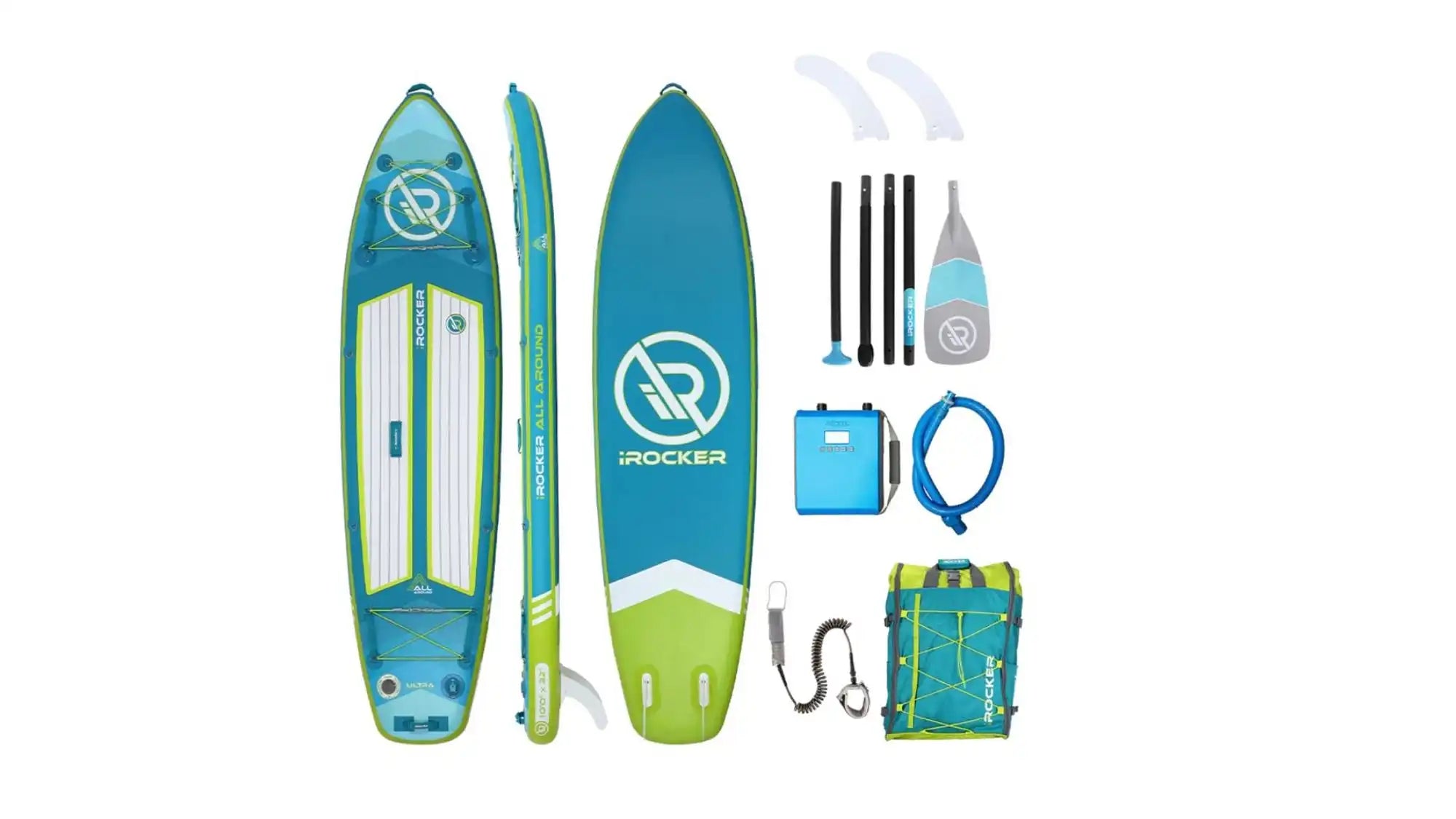
How Much Does a Hard Paddle Board Cost?
Hard paddle boards, also known as epoxy or fibreglass boards, start at around $700 and can go up to $2,000. Factors like material quality, size, and design specificity influence the price. Epoxy boards, known for their durability and performance, involve a labour-intensive manufacturing process and higher shipping fees due to their size and weight. The price depends on the board's size, quality, and construction.
Although ultra-budget models are available online for as little as $250 or $300, their quality may be uncertain for users. On the other hand, high-end hard SUPs can range from $700 to over $1500. High-end performance solid paddle boards, designed for specific purposes such as touring or racing, can cost anywhere from $2,500 onwards. These paddle boards are manufactured with lightweight composites and can cost more than $2,000 USD.
How Much Does an Inflatable Paddle Board Cost?
Inflatable paddle boards provide a budget-friendly option for enthusiasts, their prices typically range from $350 to $1,700. The variation in cost is due to factors such as material quality, design features, and brand reputation. Entry-level boards are more affordable, while high-end models with advanced features like premium construction and enhanced stability can cost more.
Why Is Paddle Board Price So Expensive?
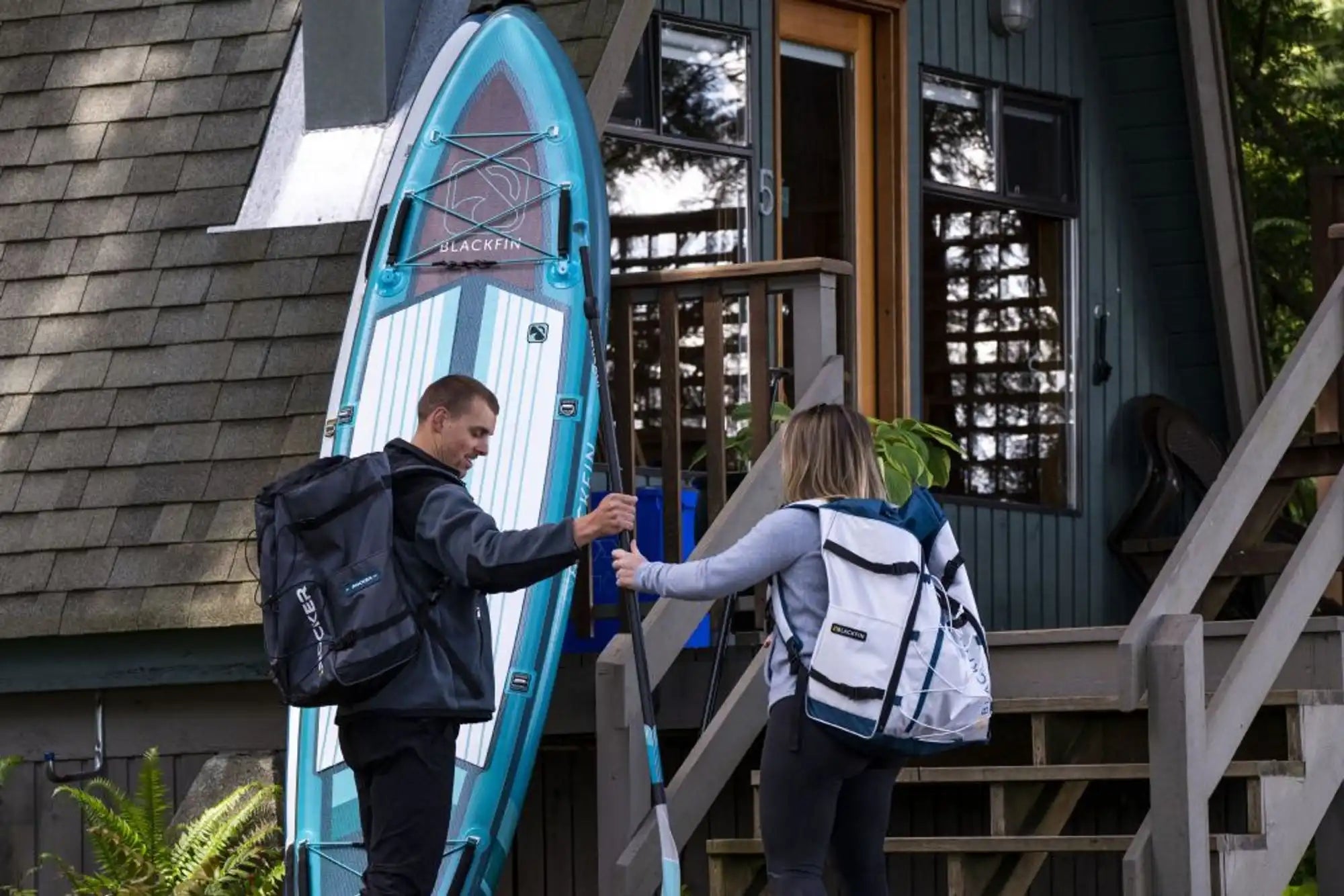
Inflatable paddle board prices are expensive due to costly materials and skilled handcrafting. They maintain their shape using drop stitch material, which has two sheets connected by small fibres. Cheaper boards use weaker fibres and thinner, stretchier material, resulting in poorly constructed boards. These factors collectively contribute to the higher cost of paddle boards compared to other watercraft, such as kayak:
Complex Manufacturing for Hard Paddle Boards:
- Involves shaping a contoured foam core.
- The core is then coated with epoxy resin, requiring precision and skill.
Intricate Process for Inflatable Paddle Boards:
- Made using specialized drop-stitch fabrics.
- Assembly requires great precision to maintain a flat, rigid shape.
- Quality of materials and labour increases costs.
Labor Costs:
- High-quality inflatable boards are often completely hand-made.
- The labour-intensive process contrasts with less labour-intensive kayak manufacturing.
Comparison with Kayaks:
- Kayaks are typically made from molded plastic, less labor-intensive.
- Molds are a one-time investment with lower ongoing production costs.
Unique SUP Experience:
- SUP boards offer a different perspective and opportunities compared to kayaking.
- It is generally lighter than kayaks, appealing to a different set of enthusiasts.
How Much are Cheap Paddle Board? Are They Good?
While affordable paddle board price options exist, particularly in inflatable boards, extreme budget boards (below $300) often compromise quality. These boards may lack durability, rigidity, and performance, leading to a subpar paddle boarding experience. It's crucial to strike a balance between affordability and quality.
How Much Should I Spend on a Paddle Board?
When considering paddle board price, it's crucial to understand how much various types of paddle boards cost. This helps you choose a SUP board that fits your budget and meets your paddling needs. Types include:
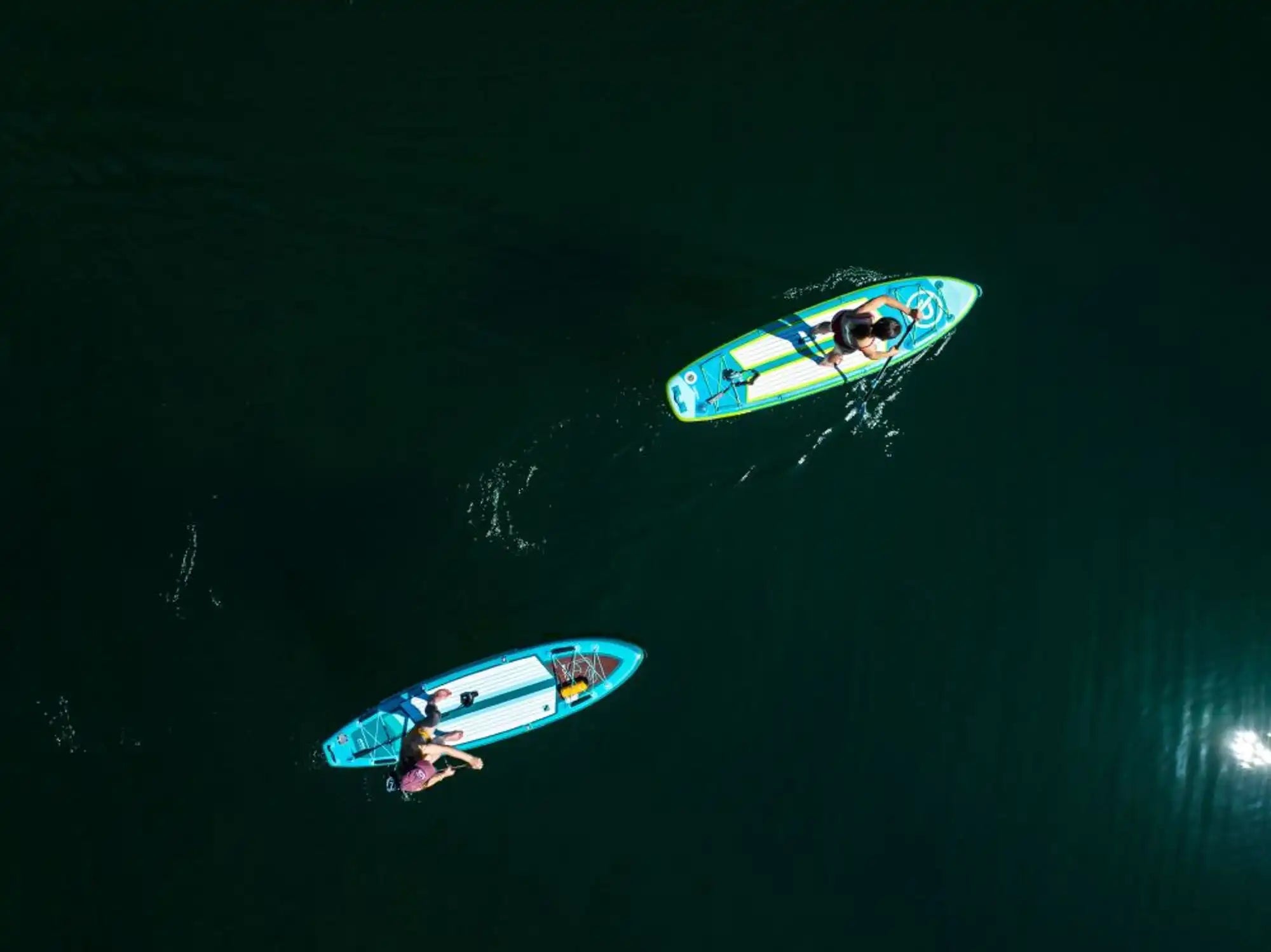
1. Racing Paddle Board Price
Racing paddle boards are designed for speed with minimal resistance. They have a narrow profile and are typically made of lightweight carbon fibre. This lightweight construction, however, comes at a cost: high-quality racing paddle board price ranging from $1,00 to $3,000. The higher price tags are often justified by the boards' advanced hydrodynamic shapes, specialized fin systems, and enhanced performance features that cater to high-speed paddling and agility.
The iROCKER racing paddle boards are priced at only $999.00.0.
2. All-Round Paddle Board Price
The question is, how much is a paddle board that's adaptable to various conditions? All-round paddle boards are the answer. These boards are versatile, offering stability, maneuverability, and speed. They are ideal for beginners and families and suitable for leisure paddling and light surfing. All-round boards feature a wide and stable design, forgiving for new paddlers. The cost for a decent all-around paddle board ranges from $850 over $1700, influenced by factors like construction material, size, and included accessories. These boards balance affordability and versatility, making them popular for those new to the sport.
At iROCKER, the ALL AROUND 11' ULTRA™ 2.0 Inflatable Paddle Board is priced at $1,249.00 while the ALL AROUND 11' Inflatable Paddle Board is priced at $899.00 and is currently on sale for $549.00.
3. Fishing Paddle Board Price
Fishing paddle boards offer stability, ample storage space, and mounts for fishing gear and accessories. They're perfect for anglers who want to take their fishing experience to the water. The fishing paddle board price varies widely, from $700 to $3,000, depending on their level of specialization. High-end fishing paddle boards are constructed with durable materials, offer enhanced stability, and may include additional features like built-in tackle boxes, comfortable seating, and even motor mounts for long-distance travel.
iROCKER offers a range of fishing paddle boards that are priced between $999 and $1400.
4. Yoga Paddle Board Price
Yoga paddle boards are wider and longer than traditional boards, providing a stable platform for yoga on water. They are inflatable and feature soft, grippy deck pads for added comfort and stability. The pricing for yoga paddle boards starts at around $700 to over $1200, offering a balance of quality, stability, and affordability. These boards are not just limited to yoga; their stability and comfort make them suitable for leisure paddling and light fitness routines as well.
Leave your yoga mat at home and take your practice to the water for a challenge. These iROCKER inflatable paddle boards offer the width and stability you need to find balance and flow. The price range for a Yoga Paddle Board is between $200 and $1199.
5. Kids Paddle Board Price
Kids' paddle boards are smaller, lighter, and more maneuverable and mirror the design of adult boards, scaled down for smaller paddlers. Prices for kids' paddle boards generally range from $300 to $700, depending on the quality, design, and materials used. When choosing a paddle board for children, it's crucial to consider the cost and factors like safety, stability, and ease of use to ensure a fun and secure paddling experience for the young ones.
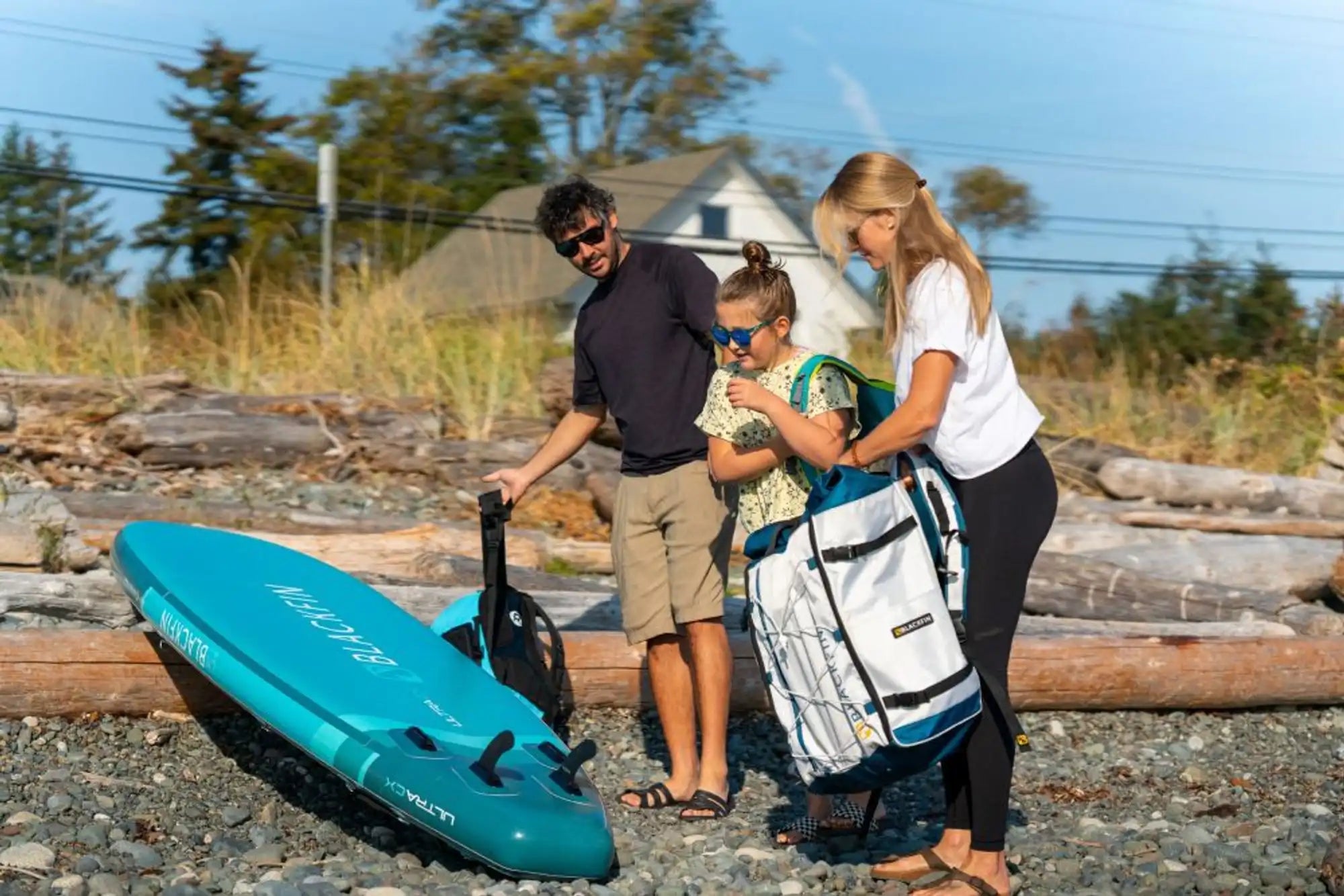
How to Get the Best Paddle Board at a Good Price?
Consider shopping during sale seasons like paddle board Black Friday to secure a good deal. Look for reputable brands offering discounts or package deals that include essential accessories. Be wary of misleading discounts and prioritize quality and suitability for your paddle boarding needs.
Wrapping up on How Much are Paddle Boards!
Paddle boarding can be a significant investment, but understanding the factors, including knowing the paddle board price and what to look for, can lead you to a board that offers value for money and enhances your experience on the water. Remember, the best paddle board fits both your budget and your paddle boarding aspirations. At iROCKER, we understand that choosing the right paddle board can be challenging, but we're here to help. We offer paddle boards for all levels, with a great balance of durability, performance, and value.

Is paddleboarding a good workout? Yes, paddle boarding is a fantastic workout because it's fun and easy for most people. It's also a really good way to exercise. In this sport, you either stand or kneel on a board and use a paddle to move in the water. This works your arms, legs, and tummy muscles. Paddleboarding has lots of good effects on your body, like:
- Calorie Burning
- Muscle Building
- Upper Body Strengthening
- Core Strengthening
- Leg Strengthening
- Cardiovascular Improvement
- Balance Enhancement
- Joint Stability Improvement
- Flexibility Increase
- Endurance Building
This makes paddle boarding a compelling alternative to traditional gym workouts, encouraging you to explore the world's waterways or head to the nearest body of water for a unique fitness experience.
1. Calorie Burning

The calorie burning in paddle boarding, particularly in forms like racing and surfing, demonstrates that paddleboarding is a good workout. Paddling at a relaxed pace on calm water can burn between 330 to 460 calories, which is twice as much as a regular walk around the neighborhood! Those engaged in vigorous SUP activities can burn over 600 calories per hour, making it an excellent exercise for weight management.
This makes paddle boarding an enjoyable and versatile water sport and an excellent exercise for those looking to manage or lose weight. The variety in paddle boarding styles underscores the paddle board exercise benefits for a range of fitness goals, from a moderate workout to a high-intensity exercise session.
2. Muscle Building
Paddle boarding offers a comprehensive muscle workout that engages multiple muscle groups simultaneously. Each stroke activates the muscles in your arms, shoulders, and back. The water's resistance significantly enhances the sport's muscle-building aspect. For instance, according to research, activities like paddle boarding can increase muscular activity by up to 40% compared to similar exercises on land due to the added resistance of water.
This fact highlights the stand up paddle board exercise benefits, and constant engagement leads to improved muscle tone and strength over time. Additionally, the varying water conditions can further amplify the muscle-building effect, as navigating rougher waters requires more strength and stability, engaging the muscles more intensely.
3. Upper Body Strengthening

Paddle boarding places a significant focus on the upper body. The act of paddling against the resistance of water provides a consistent and effective resistance training experience. This activity primarily targets the arms, shoulders, and back muscles.
For instance, a study by the "Journal of Sports Science & Medicine" found that paddle boarding significantly engages the latissimus dorsi, deltoids, and biceps, key muscles in the upper body. Regular paddle boarding can lead to substantial improvements in upper body strength and endurance. This paddle board exercise benefits and translates to improved performance in everyday activities that require upper body strength, such as lifting or carrying objects.
4. Core Strengthening
Paddle boarding offers an excellent core-strengthening workout, achieved through several dynamic movements:
- Continuous Core Engagement: While paddle boarding, your core muscles are constantly active. This continuous engagement occurs as you use your arms to propel forward, requiring your core to maintain balance and provide power. Each paddle stroke engages your abs, enhancing core strength as you navigate the water.
- Balancing Act: The act of maintaining balance on an inflatable paddle board engages your entire core. This constant need for stability means your core muscles are always at work, like performing an ongoing balancing exercise.
- Side-to-Side Paddling: Mimicking the motion of Russian twists, paddling from side to side specifically targets your abdominal muscles. This motion propels you through the water and offers a focused abdominal workout.
- Variable Intensity: Paddle boarding on calm water with a slow pace provides a gentler core workout. Rougher conditions, like choppy water or strong currents, require more effort and increase the intensity of the workout. Ocean waves or strong currents demand maximum effort and put your core muscles to work.
5. Leg Strengthening

Leg strengthening in paddle boarding further answers the question, is paddleboarding a good workout? While paddle boarding, your legs play a crucial role, though it might not be immediately apparent. As you stabilize yourself on the board, your leg muscles are continuously engaged, including those in the thighs, calves, and ankles. This not only helps in maintaining balance but also contributes significantly to leg strengthening.
Balancing and adjusting to the water's movement provides a unique form of resistance training, which is effective in toning and strengthening the leg muscles. For example, when navigating through choppy waters or making turns, the engagement of your leg muscles intensifies, enhancing muscle endurance and strength over time.
6. Cardiovascular Improvement
Paddle boarding provides a substantial cardiovascular workout. The constant movement of paddling elevates the heart rate, similar to moderate-intensity aerobic exercises. A study from the "American Council on Exercise" reveals that activities like paddle boarding can improve overall cardiovascular health by enhancing heart function and reducing the risk of heart-related diseases. The cardiovascular benefit varies with the intensity of paddling; leisurely paddling offers a moderate cardiovascular workout while racing or paddling in rough waters provides a more intense cardiovascular exercise.
7. Balance Enhancement

One of the standout benefits of paddle boarding is improving balance and coordination. Maintaining stability on an unstable surface like water engages and strengthens the core muscles responsible for balance. This improvement is beneficial for paddle boarding and translates to better balance and coordination in daily activities, reducing the risk of falls, enhancing overall body control and valuable paddle board exercise benefits that transfer to everyday life.
8. Joint Stability Improvement
Paddle boarding's low-impact nature makes it an ideal exercise for joint health. It strengthens the muscles around critical joints like knees and ankles without the harsh impacts of running or high-impact aerobic exercises. This makes it a suitable workout for those with joint concerns or older adults looking to maintain joint health and stability.
9. Flexibility Increase

The diverse range of movements involved in paddle boarding, such as reaching forward to paddle, twisting the torso, and adjusting balance, naturally enhances flexibility. This increase in flexibility, particularly in the shoulders, back, and hamstrings, is a result of the dynamic stretching involved in the sport. Regular paddle boarding can improve flexibility, which is crucial for overall mobility and reduces the risk of muscle strains and injuries.
10. Endurance Building
It is clear that paddle boarding plays a significant role in building endurance, thus providing an answer to the question, “Is paddle boarding a good workout?”. Due to its enjoyable nature, individuals often engage in paddle boarding for extended periods, inadvertently improving their endurance and stamina exemplifies the stand up paddle board exercise benefits. Prolonged physical activity improves endurance and benefits overall fitness. Frequent paddle boarding enhances stamina, leading to better performance in various activities.
Wrap Up

Many often ask, “Is paddleboarding good exercise?” And the answer is yes. boarding is not just a recreational activity; it's a comprehensive exercise regime. It offers a unique combination of calorie burning, muscle building, cardiovascular health, balance, and flexibility improvements. To explore how paddle boarding can enhance your fitness and find the ideal equipment for this invigorating sport, be sure to visit the iROCKER website.
FAQ
Let's answer some questions before we wrap up the topic, "Is paddleboarding a good workout?
Is a paddle board good for losing weight?
Yes, paddle boarding is effective for weight loss. The combination of calorie burning, muscle building, and cardiovascular workout makes it a great exercise for shedding pounds.
- Caloric Burn: Paddle boarding can burn calories between 300-400 per hour with leisurely paddling and over 600 calories per hour for more intense activities like SUP racing or surfing. A moderate-intensity walk burns about 165-200 calories per hour. This higher caloric expenditure makes paddle boarding an effective exercise for weight loss.
- Full-body Workout: Paddle boarding's engagement of multiple muscle groups, including the core, arms, legs, and back, increases muscle mass. Higher muscle mass improves metabolism, further aiding in weight loss.
Is paddle boarding better than the gym?
While it depends on individual fitness goals, paddle boarding offers a holistic workout that engages the entire body, which can be more enjoyable and varied than gym workouts.
- Variety of Exercises: Paddle boarding combines strength, balance, and cardiovascular training. In contrast, gym workouts often require switching between different machines and equipment to achieve a similar range of exercise.
- Engagement and Enjoyment: The appeal of being outdoors and on the water can increase the likelihood of sticking to a regular exercise routine, which is crucial for long-term fitness. A study published in the "International Journal of Environmental Research and Public Health" found that outdoor exercise is associated with increased energy and satisfaction and decreased tension, confusion, anger, and depression compared to indoor exercise.
- Low Impact: Paddle boarding is gentler on the joints than high-impact gym activities like running on a treadmill or weight lifting, making it suitable for a wider range of individuals, including those with joint concerns or older adults.
Is paddle boarding better than running?
Paddle boarding is a low-impact exercise compared to running and engages more muscle groups simultaneously. While both have benefits, paddle boarding offers a unique combination of balance, strength, and endurance training.
- Muscle Engagement: Running primarily works the lower body, while paddle boarding is a full-body workout. SUP simultaneously engages the core, upper, and lower body, providing a more balanced workout.
- Impact on Joints: Running, especially on hard surfaces, can be high-impact and may lead to joint pain or injuries. Paddle boarding is a low-impact exercise, reducing the risk of joint-related injuries.
- Mental Health Benefits: The tranquil environment of paddle boarding can offer significant mental health benefits. According to a study in the "Journal of Environmental Psychology," activities in natural water environments (blue spaces) can reduce stress and increase feelings of well-being compared to urban environments.
- Balance and Flexibility: Paddle boarding uniquely improves balance and flexibility, aspects less emphasized in running.
Happy paddling!
Reference
- Journal of Sports Science and Medicine. (n.d.). Retrieved November 17, 2023, from https://www.jssm.org
- Green, D. J. (2016, August). ACE-Sponsored Research: Can Stand-up Paddleboarding Stand Up to Scrutiny? American Council on Exercise. Retrieved from https://www.acefitness.org/continuing-education/prosource/august-2016/5997/ace-sponsored-research-can-stand-up-paddleboarding-stand-up-to-scrutiny/

Choosing between a paddle board, canoe, and kayak can be challenging, especially if you're new to water sports. The debate of paddle board vs canoe vs kayak often centers on the unique experiences each offers and caters to different preferences and needs. This article breaks down the pros and cons of each to help you make an informed decision.
When embarking on a journey across the water, one of the first decisions is choosing a suitable vessel. In the kayak vs canoe vs paddle board debate, each type of watercraft brings its own set of features and experiences. To help you navigate this choice, we've prepared a comparative table that briefly outlines the key characteristics of each, providing a clear overview to inform your decision.
| Feature | Paddle Board | Canoe | Kayak |
|---|---|---|---|
| Seating Position | Upright standing; options to kneel or sit with modifications | Elevated seating on benches or kneeling with thigh support | Low-seated with back support, legs extended forward, enclosed cockpit |
| Hull Design | Wide and flat for stability, variations for speed or maneuverability | Shallow arch, flat, or V-shaped bottom for stability or speed | V-shaped for speed and tracking, flat for stability in whitewater |
| Stability | Width provides stability, length can add tracking, and varies with designs. | Wide, flat bottom offers excellent initial stability, and flared sides help with secondary stability. | Primary stability varies, and secondary stability is designed for lean and turns. |
| Ease of Learning | Easy to start; balance is key, and mastering the technique can take time | Easy to learn basic strokes, but mastering technique and balance takes practice | Easy to start, especially in stable models; technical skills required for advanced use |
| Maneuverability | Length and fin setup affect turning; generally very maneuverable | Depends on length; shorter canoes are more maneuverable, and longer ones track better | Shorter kayaks turn easily; longer kayaks track better but are less agile |
| Speed | Generally slower, racing designs are much faster | Efficient hull designs can maintain good speed over distance | Designed for speed, especially sea and racing kayaks |
| Storage Space | Minimal on-deck storage and additional gear can affect stability | Ample open storage, suitable for gear-heavy trips | Enclosed storage compartments, bulkheads for watertight and flotation |
| Portability | Lightweight and easy to transport, inflatable models even more so | Heavier and bulkier; requires a cart or multiple people to transport | Varies; some models are lightweight and portable, others are heavier |
| Versatility | Wide range of activities possible, limited to rough water | Suitable for flat water and mild rivers, not for sea or heavy whitewater | Varies with design; some for calm waters, others for sea or whitewater |
| Fishing Suitability | Fishing SUPs are available with mounts for rods and gear | Ample space and stability for fishing gear and movement | Fishing kayaks offer mounts and storage, stable for casting |
| Whitewater Suitability | Not suitable due to lack of maneuverability in rapids | Specialized whitewater canoes exist but require skill | Whitewater models are short, with a rocker design for rapids |
| Ocean Suitability | Good for coastal waters; specialized models can handle surf and chop | Not ideal for open ocean; can be swamped by waves | Sea kayaks are designed for open water with watertight compartments |
| Workout Intensity | High, core and balance workout, full-body engagement | Moderate to high, focusing on upper body and core strength | High, primarily upper body but engages core and legs for control |
| Typical Construction Materials | Epoxy, fiberglass, foam, plastic, inflatable materials (PVC) | Wood, aluminum, fiberglass, plastic, Royalex, Kevlar | Rotomolded plastic, fiberglass, Kevlar, carbon, thermoformed plastics |
| Initial Investment | Wide range, from affordable inflatables to high-end racing boards | Wide range, from affordable aluminum/plastic to expensive lightweight composites | Wide range, from entry-level plastic models to expensive composites |
| Maintenance and Upkeep | Minimal for solid boards; inflatables must be checked for air pressure | Wood requires regular varnishing; composites need UV protection | Plastic is low maintenance; composites need care to avoid UV damage |
| Skill Level for Proficiency | Beginner to intermediate for general use, advanced for racing/surfing | Beginner to intermediate for calm water, advanced for maneuvering and rapids | Beginner for calm water, advanced for sea kayaking and whitewater |
| Accessibility for Beginners | Very accessible, wider boards are more beginner-friendly | Accessible, but requires practice to handle | Accessible, sit-on-top models are beginner-friendly |
| Water Entry and Exit | Easy to mount and dismount, can be done from water | Can be more challenging and requires practice to enter and exit without tipping. | Varies, sit-on-tops are easy, and sit-insides require techniques to enter and exit. |
| Impact of Wind | High, can be difficult to control in the wind due to standing position | Moderate, lower profile than paddle boards but can be challenging in crosswinds | Lower, sits lower in the water which reduces wind impact, and can have a rudder or skeg for control |
| Best Use | Short trips, surf | Multi-day trips, fishing | Various (recreational, fishing, touring) |
Kayaking: Pros and Cons
Kayaking is a fast and agile water sport that offers a close connection to nature. Kayaks are highly maneuverable and suitable for different water environments like rivers, lakes, and ocean surf.
They are designed for speed and agility, offering a more swift and responsive experience compared to canoes or stand-up paddle boards (SUPs). The variety in kayak types is another significant advantage; from fishing and recreational to touring kayaks, and the choice between sit-inside and sit-on-top models, there's a kayak to suit different preferences and needs.
Solo paddling is another area where kayaks excel, providing an ideal option for those who prefer to handle their own boat or enjoy the solitude of paddling alone. Fishing kayaks, in particular, are tailored to provide stability and ample space for gear. In terms of stability, kayaks generally fare better than SUPs in choppy conditions. Additionally, they offer suitable storage for gear, especially in sea kayak models, making them a practical choice for longer trips.
NOTE: Kayaking does come with its challenges. There is a learning curve involved, particularly in navigating and steering in rough waters. Portability can be an issue with some models, as they can be bulky and heavy to transport. The limited room for movement, especially in sit-in models, may not be comfortable for all users. Moreover, kayaks can be challenging to manage in windy conditions and may offer less stability than canoes in certain situations.
Canoeing: Pros and Cons
Canoes are a fantastic and fun way to enjoy the water, perfect for those who love a bit of adventure with a touch of tradition. They're super roomy, which is great for family adventures or trips where you want to bring along extra friends and gear. Plus, you don't have to worry much about tipping over, thanks to their stability. This means you can relax, fish, or even have a little picnic on board!
One of the cool things about canoes is how easy they are to get in and out of, compared to kayaks. This makes them a friendly choice for everyone, no matter their experience level. When you're canoeing, you're not just paddling; you're connecting with a rich tradition and getting up close and personal with nature. Plus, sitting higher up in a canoe gives you a fantastic view, adding a special touch to your paddling adventure.
NOTE: There are some downsides to consider. Maneuverability can be a challenge, especially for beginners, as canoes require more skill to steer and control. They are also heavier and more cumbersome to transport compared to kayaks or paddle boards. Canoes are more susceptible to wind due to their higher profile, which can make handling them in windy conditions more difficult. Additionally, canoeing requires learning efficient stroke techniques to ensure a pleasant and effective paddling experience.
Paddle Boarding: Pros and Cons

Stand-up paddle boarding (SUP) is a fresh and exciting addition to the world of water sports, offering a unique blend of simplicity and adaptability that has made it increasingly popular.
This sport, characterized by its engaging full-body workout, appeals to a broad audience due to its ability to work the core, legs, and arms. Additionally, SUP stands out for its ease of learning, making it one of the most accessible water sports for beginners. It also provides an intimate connection with nature, allowing enthusiasts to immerse themselves in the tranquil environment of water and aquatic life. SUP is notably versatile, accommodating a range of activities, including yoga, fishing, light surfing, casual paddling, and short excursions.
NOTE: There are some considerations to keep in mind. Compared to kayaks or canoes, SUPs can be less stable, particularly in rough waters, which may pose a challenge for some. They are generally designed for individual use, offering limited space for additional passengers or gear. While perfect for short jaunts, SUPs are not the ideal choice for long-distance or multi-day trips, as they can expose the user to elements like sun and wind more so than other watercraft.
⇒ Are you wondering about choosing between a Kayak and a SUP? Check out our Paddle Board Vs Kayak article to help you decide!
Factors to Consider Between Paddle Board Vs Canoe Vs Kayak
Deciding on the right type of watercraft in the kayak vs canoe vs paddle board debate is not just about the vessel itself. It also involves considering your personal preferences, physical abilities, and the nature of your water adventures. Here are some key factors to guide you in making an informed decision.
When choosing between these three, consider:
- Purpose: Are you looking for relaxation, exercise, fishing, or long trips?
- Skill Level: Your experience in paddling and balance plays a role.
- Transportation: How will you transport your watercraft?
- Storage: Consider the storage space at home and in the watercraft.
-
Budget: Prices vary significantly among the options.
- For kayaks: On average, budget kayaks cost between $300 and $500 depending on their material, type, and features.
- For canoe: The average price of a new canoe is around $900, and they tend to range from $600 to $1,500. The average price of a used canoe is around $400, and they tend to range from $300 to $550.
- For paddle board: The average price for a budget paddle board can vary, with inflatable paddle boards starting at around $400 and epoxy boards starting from $700.
The Choice is Yours

Ultimately, in the kayak vs canoe vs paddle board decision, the choice depends on your personal preferences and needs. Paddle boarding offers a serene and active experience, kayaking provides versatility and speed, and canoeing shines in stability and capacity.
For those who find themselves torn between the dynamic experience of kayaking and the unique appeal of stand-up paddle boarding, the iROCKER SUP to Kayak conversion kit presents an innovative solution. This versatile kit enables you to seamlessly transform your SUP into a sit-on-top kayak in under five minutes, embracing creativity and versatility in water sports.
All you need are:
- First, make sure you have the correct kayak bundle that is compatible with your iROCKER board. The kit is designed to fit all iROCKER models.
- Second, attach the kayak seat to your paddle board by connecting it to the D-rings at the board's front and back.
- After securing the seat, adjust the straps to your preferred length for comfort.
- Replace the T-bar handle of your SUP paddle with the provided kayak blade to transform it into a dual-bladed paddle, perfect for kayaking.
- Finally, your paddle board is now a fully functional kayak, ready for new explorations.
The iROCKER conversion kit offers a unique experience on the water and practical benefits. You can rest your legs during long paddling sessions, and the dual-blade kayak paddle enhances control against winds and currents. The seated position is also advantageous for SUP fishing.
Wrap Up
If you are new to water sports, deciding between a paddle board, canoe, and kayak can be quite challenging. The debate of paddle board vs canoe vs kayak usually revolves around the distinctive experiences each provides and how they cater to different preferences and needs. This article breaks down the pros and cons of each, including a detailed comparison of "paddle board vs canoe," to help you make an informed decision. Visit iROCKER for more helpful information. Happy paddling!

Attention all travel and water-sport enthusiasts! Dive headfirst into the world of paddle boarding with our thorough list of the finest deals this year. If you're passionate about embarking on a journey across waters, these paddle board deals are made just for you. Get ready for fun times on the water with these awesome finds in 2024!
BLACKFIN MODEL SX 10'6" Hard Paddle Board

Meet the BLACKFIN MODEL SX 10'6" Hard Paddle Board—your next must-have for thrilling water journeys. Precision-engineered, it ensures a blend of top-tier performance and adaptability for intermediate paddle enthusiasts. Spanning 10'6", this board guarantees a steady and fluid ride, regardless of water conditions. This is the best paddle board deal at a special price starting at CAD$1,600.
- Superior Riding Experience: Thanks to the 10'6" length, the board ensures stability even in unpredictable waters, complemented by its design tailored for maximum speed.
- Unmatched Performance: Its unique build and features promise a smooth ride, allowing for swift paddling and unmatched stability. Glide seamlessly with the assurance of a board built for performance.
-
Loaded with Features: Your acquisition is more than just a board. It comes packed with:
- Dual cargo bungee areas for ample storage
- An ultra-comfortable deck pad to ensure prolonged sessions without discomfort
- A strategically placed center handle for easy maneuvering
- A built-in dry box console, for storing gear or for use as a cooler
- Kayak seat clips allow for easy conversion to a kayak
Rooted in BLACKFIN's legacy since 2013, the emphasis on quality, durability, and safety remains unwavering.
With iROCKER's local fulfillment, you can choose fast 1-2 day delivery or opt for local pick-up if you're in Vancouver or Toronto. This deal ensures that your passion for paddle boarding gets a timely boost. Enjoy the water with BLACKFIN.
BLACKFIN MODEL X 10'6"

Step into the world of water adventure with the BLACKFIN MODEL X, the adventurer's choice for those who crave adventure; a bit of wind or cooler temperatures never deters. Whether it’s fishing, cruising, or just reveling in nature that you enjoy, the BLACKFIN MODEL X delivers with triple-layer PVC construction, reinforced seams, and added carbon rail.
Spanning 10’6”/3.2m, the board is all about stable and smooth experiences. Offered at an attractive price range starting at CAD$999, it's an open invitation to the adventure without breaking the bank.
- A Stable Experience: With a focus on stability, beginners can expect a reliable and steady ride even when the waters become challenging.
- Performance: Designed for serious riders, the board promises unmatched stability, making every ride a delight.
-
Feature-rich: Your purchase comes packed with:
- 1 X 10'6"/3.2m BLACKFIN MODEL X board
- 3 removable flip lock fins (1 center and 2 side fins)
- A repair kit (patches and valve wrench; glue is sold separately)
Each BLACKFIN package contains the foundational essentials: the board, fins, and a repair kit. Elevate your paddling experience by opting for premium additions such as the iROCKER Electric Pump or the Premium 2-Piece Carbon Paddle and Bag. The Double Chamber Hand Pump offers a perfect pre-ride boost for those seeking an energizing start. Moreover, when you bundle these accessories with your board purchase, you'll save up to 25%.
CRUISER 10'6" ULTRA™ 2.0

Dive into a premium paddling experience with the CRUISER 10'6" ULTRA™ 2.0. Priced at around CAD$1,199, this board stands as the epitome of quality, innovation, and performance.
- Your Perfect Paddle Partner: Designed to cater to beginners, the board ensures stability and speed, allowing you to ride with confidence.
- Versatility at Its Best: This board accommodates up to 2 riders with a weight capacity of 300 lbs., perfect for beginners, SUP yogis, families with children, and intermediate paddlers who prefer slower ride.
-
Essentials in the Box: Your CRUISER ULTRA™ 2.0 comes equipped with:
- A new enhanced backpack for easy transport
- An adjustable 5-piece paddle for a customized ride
- A 10'/3m coil leash with a nifty key stash spot
- Two tethered flip lock fins for smooth gliding
- A 12V electric pump paired with an accessory pouch for convenience
- Bundle & Save: Enhance the adventure and save big when you bundle a kayak blade, a water-resistant lunch box cooler, and a portable battery to your cart.
- Why ULTRA™?
ULTRA™ offers our lightest and most travel-centric paddle boards yet. These boards offer enhanced rigidity and groundbreaking tech, all fitting into a backpack nearly 50% smaller than our previous models. Experience the blend of convenience and performance with ULTRA™.
BLACKFIN MODEL V 12'6"

Experience our fastest board with the BLACKFIN MODEL V. Offering smooth tracking and fast efficient paddling, this board is designed for speed seekers and endurance athletes who are touring and paddling long distances, or those looking for more of a challenge out on the water.
Key Highlights:
- Crafted for Speed: At 12'6"/3.8m in length and 32"/81cm in width, this is our most extended and streamlined SUP. It's best suited for advanced paddlers and those over 5'7"/1.7m.
- Versatility: Ideal for tandem rides, it's the board of choice for touring, fishing, camping, and full-day adventures. It can accommodate up to two kayak seats.
- Performance: Experience the thrill of speed and challenge with a design focused on efficient paddling and seamless tracking.
- Quality Assurance: Dive in with confidence, backed by a 2-year general manufacturer warranty, 3 years on seams, and 1 year for accessories.
Why BLACKFIN MODEL V?
If you're the kind who measures each journey by pace and thrill, then the BLACKFIN MODEL V is your calling. Beyond just a board, it embodies the spirit of competition, challenge, and speed. It promises an unrivaled blend of performance and durability, built with enhanced construction, triple-layer PVC, and reinforced seams.
BLACKFIN MODEL XL 11'6"

For adventurers who value reliability and the thrill of discovery, the BLACKFIN MODEL XL is your go-to board. Experience the most stable SUP out of the entire lineup. A 34"/86cm width and a narrow tail make this SUP the most stable board on the market and with an included carbon rail that adds stiffness and rigidity to this premium board.
Key Highlights:
- Engineered for Excellence: With its 11’6”/3.5m length, this board promises unmatched speed, stability, and performance tailored for intermediate riders.
- Versatility at its Best: Perfect for tandem rides, the BLACKFIN MODEL XL can accommodate multiple riders, pets, or kayak seats. It's an invitation to family fun, fishing, yoga, camping, and all-day excursions.
- Trusted Performance: As a premium board, it beautifully balances both speed and stability, ensuring a ride that's both exhilarating and safe.
- Designed for All Waters: Whether you're paddling on lakes, oceans, or rivers, it's equipped for both salt and freshwater adventures.
Inside Your Package:
- BLACKFIN MODEL XL SUP: At 11’6”, this board is the perfect companion for your water exploits
- Flip Lock Fins: Includes 3 removable fins (1 center and 2 sides) to aid in maneuverability and stability
- Repair Kit: Be prepared for anything with patches, a valve wrench, and more
Extra Tip: BLACKFIN has more accessories up for grabs. Bundle with your board for up to 25% off! Whether it's the iROCKER Electric Pump or the all-new BLACKFIN Premium 2-Piece Carbon Paddle and Bag, you can enhance your paddling experience.
How to Get These Paddle Board Deals?

A little strategy goes a long way when it comes to catching the best deals on stand-up paddle boards and accessories. Here are some proven tips to ensure you get the most bang for your buck:
- Research Beforehand: Before big sale events, do your homework. Know the products you want and their regular prices to recognize a genuinely good deal.
- Subscribe to Newsletters: Often, companies offer exclusive discounts to their email subscribers. Sign up for newsletters from your favorite brands to get these exclusive offers.
- Follow on Social Media: Brands sometimes announce flash sales or special discounts on their social media channels.
- Set a Budget: It's easy to get carried away during sales. Set a budget for yourself to ensure you're spending within your means.
- Check Reviews: A deal is only a good deal if the product is right for you. Always check reviews and ensure the product fits your needs.
- Shop Early: The best deals often run out quickly. Try to shop as soon as the sale starts to get the best selection.
- Use Price Tracking Tools: Websites and apps that track price drops can alert you when a product goes on sale.
- Engage in Loyalty Programs: Some brands offer loyalty points or discounts to repeat customers. It might be worth sticking to a particular brand if they reward loyalty.
How to Get These Paddle Board Deals From iROCKER?
Brace yourselves, because Paddle Board Black Friday deals are the moments you absolutely can't afford to let slip through your fingers. And if that's not enough, our is your golden ticket to paddle board deals at a fraction of the original cost. Rest assured, these items, though gently pre-loved or open-box, still meet our impeccable quality standards. So, seize the moment and don't let these timely opportunities pass you by!
Ready to Get Your Board?
The allure of paddle boarding is undeniable – the feel of water beneath you, the thrill of gliding effortlessly over serene waters, and the sense of freedom it brings. But just as exhilarating is finding that perfect board deal that doesn't strain your wallet. Whether you're looking to embark on your first paddle boarding adventure or upgrade to a board that can match your evolved skills, this is the destination for the best deals.
Our Black Friday Deal is our biggest sale of the year, offering a range of boards at unbeatable prices, ensuring you get nothing but the best.
So, don't let this opportunity slide by. Dive into a world of fantastic sale paddle board deals; the waters are calling.

Alouette Lake, nestled in the heart of British Columbia, offers one of the most scenic and enjoyable paddle boarding experiences in the area. With its calm waters and breathtaking surroundings, Alouette Lake paddle boarding is a must-try for both locals and tourists alike. In this guide, we'll explore everything you need to know for a successful paddle boarding adventure at Alouette Lake.
DISCLAIMER: Before traveling to a paddle location, ensure that the location still allows for paddle boarding and make yourself aware of any rules and regulations in place.
Where is Alouette Lake Located?
Alouette Lake, a sparkling jewel, is nestled within Golden Ears Provincial Park, just an hour's drive from Vancouver, British Columbia. This scenic haven offers pristine waters framed by dense forests and impressive mountain ranges.
A straightforward drive from Vancouver, the route to Alouette is as refreshing as the destination itself, lined with verdant landscapes. The calm waters of Alouette are perfect for paddle boarding, reflecting the surrounding forests and majestic peaks. Its tranquility, combined with its natural splendor, offers a rejuvenating escape from city life.
For those seeking both adventure and peace, Alouette Lake stands as an inviting and unforgettable retreat.
How to Get to Alouette Lake
Reaching Alouette Lake from downtown Vancouver is a straightforward drive, even for those unfamiliar with the area:
- Start at Downtown Vancouver: Begin your journey on the Trans-Canada Hwy/BC-1 E.
- Transition to BC-7 E: After a short distance on the Trans-Canada Hwy, look for the exit to merge onto BC-7 E towards Mission.
- Golden Ears Signs: As you continue on BC-7 E, keep an eye out for signage pointing towards Golden Ears Provincial Park. These signs will guide you directly to the park.
- Inside the Park: Once within the boundaries of Golden Ears Provincial Park, follow the internal signage that leads you straight to the pristine shores of Alouette Lake.
Armed with these directions, your journey to the tranquil waters of Alouette Lake promises to be as smooth as the lake's serene surface.

source: unsplash
Parking and Facilties
Alouette Lake boasts a range of amenities to enhance your visit:
Parking
The Lakeside Vista Parking Lot and Pineview Parking Zone are two of the prominent parking areas conveniently spread around Alouette Lake. Both are strategically located to ensure easy access for visitors. However, it's important to note that these parking lots can become quite busy, especially on weekends and during peak summer days.
To reach the Lakeside Vista Parking Lot, drive northward on the main entrance road until you see signposts directing you to the right. For the Pineview Parking Zone, continue further and follow the signs leading to the left. To secure a parking spot without hassle, consider arriving earlier in the day when the lots are less crowded. This way, you can start your paddle boarding adventure with peace of mind.
Restroom Facilities
Alouette Lake provides several well-maintained restroom facilities around the area. Conveniently located near both parking zones, these restrooms offer basic amenities, ensuring that visitors can comfortably spend extended hours at the site. Access to clean and functional restrooms is essential for a pleasant day of paddle boarding, and Alouette Lake takes care to provide this convenience.
Picnic Areas
The Eagle's Perch Picnic Grounds is a renowned spot if you're looking to enjoy a lakeside lunch or a leisurely snack. Equipped with tables and seating, this scenic spot provides breathtaking views of the lake. To get there, simply follow the walking trail adjacent to the Pineview Parking Zone. However, it's essential to follow Leave No Trace principles by packing out whatever you bring in to help maintain the natural beauty of the area. The picnic areas at Alouette Lake offer a wonderful opportunity to relax and refuel during your visit, enhancing your overall experience.
While Alouette Lake offers these facilities, it's always a good idea to come prepared with essentials like water, snacks, and a first-aid kit to ensure a smooth and enjoyable outing. Enjoy your visit to this beautiful destination!
5 Things to Consider When Paddle Boarding at Alouette Lake

Embarking on a SUP adventure at Alouette Lake? Here are five essential pointers to ensure a smooth paddling experience.
1. Scenic Route Around Alouette Lake
When navigating the waters of Alouette Lake, these are some of the must-visit scenic routes:
- Golden Eddy Trail: This route winds along the northeastern shores, offering panoramic views of the Whispering Pines and the majestic Mount Robbins.
- Mistfall Cove Loop: Starting at the lake's southern tip, this circuitous route offers glimpses of cascading waterfalls and lush evergreen canopies, particularly breathtaking in the early morning fog.
Practical Tip: The Mistfall Cove Loop tends to get a bit crowded during weekends. For a peaceful experience, consider paddling on a weekday or early in the morning.
2. Hidden Gems: Secret Spots for Paddle Boarders
Dive deeper into Alouette's less-explored spots perfect for those in search of solitude:
- Silent Fern Grotto: Hidden in the lake's western edge, this spot is surrounded by dense ferns, making it an ideal location for those seeking calm and solitude.
- Echo Lagoon: Located to the north, it's a tranquil spot where the only sound you might hear is the gentle echo of distant bird calls.

source: unsplash
Practical Tip: The entrance to Silent Fern Grotto is narrow and can be easy to miss. Keep an eye out for a distinctive boulder with mossy overhangs – it's your landmark to this secluded paradise.
3. Ground Condition
While Alouette Lake's beauty is unmatched, its shores can be tricky:
- Pebble Pass: As the name suggests, this stretch along the southeastern shore is filled with smooth pebbles. While visually appealing, they can be slippery underfoot.
- Boulder Bay: Located near the northern edge, this area features larger rocky formations. Great for picnics but demands careful navigation.
Practical Tip: For Pebble Pass, consider lightweight water shoes that offer a snug fit to avoid collecting pebbles. For Boulder Bay, shoes with ankle support are ideal due to the uneven terrain. Considering the varying ground conditions around Alouette Lake, it's essential to equip yourself with proper footwear. Water shoes or sandals with a good grip are highly recommended.
4. Mosquito Activity
Be prepared for active mosquitoes around Alouette Lake in warmer months. Bring insect repellent, wear long sleeves and pants, and consider anti-itch cream for a comfortable, bite-free adventure.
5. Boat/Canoe Traffic
Alouette Lake is popular with boaters and canoeists, so be aware of your surroundings and follow water safety rules. Wearing a life jacket and being mindful of other watercraft ensures a safe and enjoyable experience.
5 Tips for Alouette Lake Paddle Boarding
Embark on an unforgettable paddle boarding adventure at Alouette Lake with these five essential tips to guide your journey!
- Check the Weather Forecast Before You Go: Always stay updated on the weather conditions at Alouette Lake for a safe and enjoyable experience.
- Wear Appropriate Clothing: Dress appropriately for the weather to ensure comfort during your paddle boarding adventure.
- Know Your Limits: Paddle boarding can be strenuous, so it's vital to understand your physical boundaries and take necessary breaks. Listen to your body, enjoy the journey, and ensure a positive, energizing experience on the water.
- Respect The Environment: Alouette Lake is a pristine natural treasure; let's keep it that way. Please respect the environment by adhering to park regulations and disposing of your litter responsibly to maintain its beauty for generations to come.
- Come Prepared: Ensure a hassle-free paddle boarding session at Alouette Lake by arriving equipped with essential gear - a life jacket, paddle, and board. Preparation is key to maximizing your enjoyment on the water, creating lasting memories.

Alouette Lake Adventure Awaits!
Alouette Lake paddle boarding is truly an once-of-a-life-time event to experience, with its stunning scenery and diverse range of activities. So, what are you waiting for? Grab your iROCKER board and head out to Alouette Lake for an unforgettable paddle boarding adventure!

Paddle boarding, not just a fun and rejuvenating water activity, is also an excellent way to burn calories. If you're looking to understand how many calories burned paddle boarding, you're in the right place. Whether you're a SUP enthusiast or a newbie considering this sport, we've got all your questions answered. Let's dive in!
How Many Calories do You Burn Paddle Boarding?
On average, a person burns around 305-430 calories per hour while paddle boarding. However, the exact calorie burn paddle boarding can vary based on the type of SUP (stand-up paddle boarding) you're engaged in.
- SUP Yoga: This calming yet challenging activity burns approximately 416-540 calories per hour.
- SUP Touring: An excellent workout, SUP touring can help you burn around 615-708 calories per hour.
- SUP Racing: This is a high-intensity workout, burning a whopping 713-1,125 calories per hour.
- SUP Fishing: A relatively relaxing activity, SUP fishing burns around 305-430 calories per hour.
- SUP on White Water: Engaging in SUP on white water can help you burn about 540-708 calories per hour.
- Calm Water SUP: Paddling in calm waters can burn around 305-430 calories per hour.
- SUP Surfing: Riding the waves while paddle boarding can help you burn approximately 400-535 calories per hour.

Let's wrap this up with a table for easy reference:
| Activity | Calories Burned per Hour |
|---|---|
| SUP Yoga | 416-540 |
| SUP Touring | 615-708 |
| SUP Racing | 713-1,125 |
| SUP Fishing | 305-430 |
| SUP on White Water | 540-708 |
| Calm Water SUP | 305-430 |
| SUP Surfing | 400-535 |
Can I Paddle Board for Weight Loss Alone?
Yes, paddle boarding is a great activity for weight loss. The calorie burn paddle boarding can significantly contribute to your weight loss journey, as it combines cardiovascular exercise with strength training, helping you shed pounds while also building muscle.
How to Calculate Calories While SUP-ing?
Here's a simple table to calculate the calories burned while SUP based on hours:
Stand-up paddle boarding (SUP-ing) isn't just an exhilarating way to connect with water, but it's also an effective calorie burner. Whether you're cruising calm lakes or tackling ocean waves, your body is constantly engaged, from core stabilization to arm movements, ensuring a holistic workout.
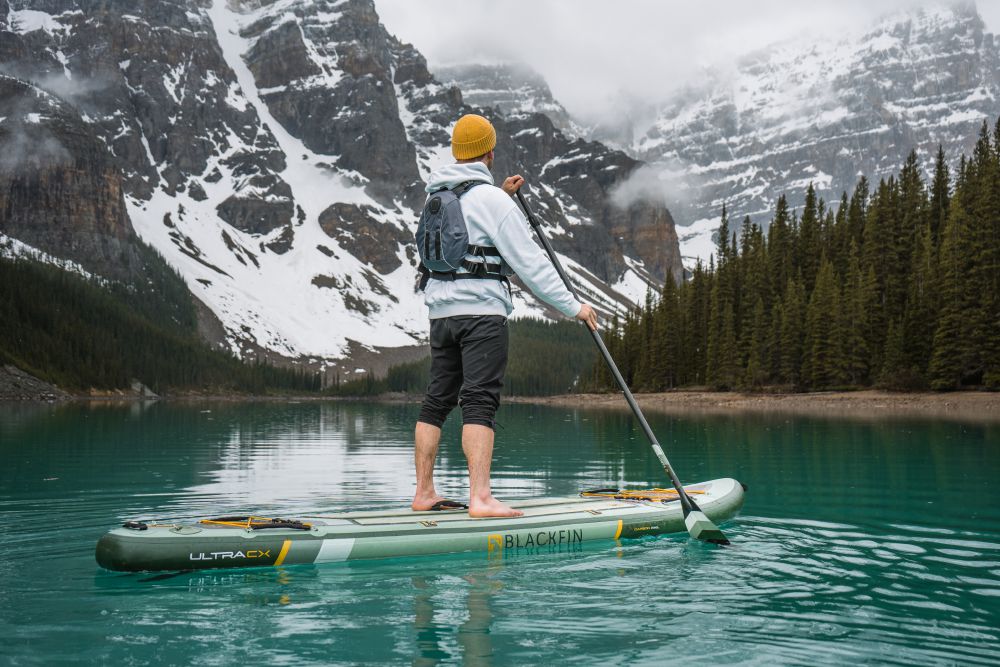
To provide a clearer insight into the potential caloric burn, we've crafted a simple table. But remember, the exact number of calories burned can vary based on factors like weight, intensity, and individual metabolism. Here's the table as a preliminary guide:
| Hours Spent SUP-ing | Calories Burned (average) |
|---|---|
| 1 | 305-430 |
| 2 | 610-860 |
| 3 | 915-1,290 |
| 4 | 1,220-1,720 |
| 5 | 1,525-2,150 |
To determine a more personalized estimate, you can use the following formula:
Calories Burned = MET value of SUP-ing (around 3.5 for casual paddling) × your weight in
kg × duration in hours
For instance, if you weigh 70kg and SUP for 2 hours, you would burn approximately:
Calories Burned = 3.5 × 70 × 2 = 490 calories
However, keep in mind this is a general formula and individual results may vary. Always consider factors like the intensity of paddling, water conditions, and your personal fitness level.
Comparing Paddle Boarding with Other Activities

Comparing paddle boarding with other activities, it stands out as a full-body workout that's not just effective but also enjoyable. According to research, paddle boarding burns more calories than activities like hiking and yoga. It's important to note that the calorie burn from paddle boarding can be higher than that of running or cycling, depending on the intensity of your session.
Here's a comparison of average calorie burns for various activities in an hour for a person weighing around 70 kg (155 lbs):
| Activity | Calories Burned (average per hour) |
|---|---|
| Paddle Boarding (casual paddling) | 305-430 |
| Paddle Boarding (intense) | 500-700 |
| Hiking | 430-550 |
| Yoga (general) | 180-240 |
| Cycling (moderate pace) | 470-560 |
| Running (5 mph) | 590-710 |
Paddle boarding isn't merely about the serenity of gliding on water; it's a dynamic activity that can compete with traditional calorie-burning exercises like running or cycling. The calories burned hinge on factors like intensity, personal metabolism, environmental conditions, and more.
Factors Affecting Calories Burned while SUP-ing
Several factors can affect how many calories you burn during paddle boarding. These include:

1. Intensity of Paddle Boarding
The intensity of paddle boarding is a crucial factor in determining calorie expenditure. Engaging in a leisurely paddle can burn around 305-430 calories per hour, while more aggressive paddling, akin to high-intensity interval training, can significantly raise that figure to approximately 615-708 calories per hour.
2. Individual Metabolism
Your individual metabolism plays a significant role in how many calories you burn during paddle boarding. Genetic factors and muscle mass can lead to varying metabolic rates, with some individuals burning more calories than others at the same level of exertion.
3. Environmental and Water Conditions
Factors such as water currents and wind resistance can dictate energy exertion, potentially increasing calorie burn. For instance, paddling against strong currents or gusty winds may require 20-30% more effort and thus burn more calories.
Calm waters provide less resistance, resulting in fewer calories burned. In contrast, navigating through choppy conditions or strong currents demands greater effort and stability, potentially increasing calorie expenditure by 20-30%.
4. Your Weight and Age
Generally, individuals with higher body weight burn more calories during physical activities. For instance, a person weighing around 155 pounds may burn approximately 436 calories per hour while paddle boarding, whereas someone weighing 185 pounds could burn around 520 calories per hour. Additionally, age can influence calorie burn as metabolic rates tend to slow down with age.
How to Burn More Calories while Paddle Boarding

To maximize your calorie burn while SUP-ing, consider the following tips:
- High-Intensity SUP Activities: If you're wondering how many calories paddle boarding burns, know that intensity is key. Taking on more demanding SUP activities, such as racing or white water SUP, can considerably increase your caloric expenditure. Pushing yourself against rapid waters or competing in a race naturally demands more energy and stamina.
- Duration Matters: Naturally, the longer you stay on the board, the more calories you'll burn. Lengthening your sessions—even by just a few minutes—can lead to a noticeable difference in how many calories you burn while paddle boarding.
- Diversify Your Routine: Variation can amplify your paddle board calorie burn. Incorporate activities like SUP yoga, which blends the tranquility of yoga with the balancing act of paddle boarding, or try SUP surfing to ride the waves. Each offers unique challenges, ensuring different muscle groups are engaged, and pushing your calorie burn to new heights.
- Master the Form: Proper technique isn't just about looking professional on the board; it's about efficiency. By maintaining the correct posture and paddle strokes, you ensure that more muscles are actively engaged. This not only leads to a safer SUP experience but also maximizes the answer to "does paddle boarding burn calories?".
Remember, the beauty of paddle boarding is its versatility. Whether you're in it for relaxation or aiming for that top-tier paddle board calorie burn, there's a style and rhythm that'll suit your goals. So, embrace the waves, engage those muscles, and let every paddle stroke take you closer to your fitness aspirations!
Staying Fit with iROCKER
Paddle boarding is a versatile and enjoyable way to burn calories and achieve your fitness goals. By understanding the various factors affecting calories burned paddle boarding, you can maximize your calorie burn and reap the benefits of this fantastic sport. Visit iROCKER to find the perfect SUP gear and start burning those calories today!
Source
- Captain Calculator (2022. September 24.). Calories Burned Paddle Boarding Calculator. Retrieved from https://captaincalculator.com/health/calorie/calories-burned-paddle-boarding-calculator/
- American Council on Exercise. (2016). ACE-Sponsored Research: Can Stand-Up Paddleboarding Stand Up to Scrutiny? Retrieved from https://www.acefitness.org/continuing-education/prosource/august-2016/5997/ace-sponsored-research-can-stand-up-paddleboarding-stand-up-to-scrutiny/