

Stories

Kayak fishing is a sport that combines the excitement of fishing and the adventure of kayaking thus, enjoy kayak fishing - it is fun and challenging. This manual is perfect for both beginners and experts, as it covers all the things from choosing the right kayak to the basic fishing techniques. You can go on a serene journey across the calm waters to discover fishing spots that the majority of people do not know, and you can enjoy nature at its finest. These few tips and tricks will not only make your experience enjoyable but also your success.
How to Choose The Right Fishing Kayak?
The beginning of kayak fishing involves the choice of the right kayak that would suit your fishing goals, surroundings, and the level of comfort you want to have on the kayak. Here’s a detailed guide to help you make an informed choice:
1. Choose the Right Kayak
The first step in fishing from a kayak is choosing the right one. Kayaks come in all sorts of shapes and sizes, and picking the right one can really make your fishing trips unforgettable. Here’s how to find the perfect fishing kayak:
- Research Different Kayaks: Start by searching about sit-on-top and sit-inside kayaks. Sit-on-top kayaks offer stability and ease of access, while sit-inside kayaks provide better weather protection.
- Consider Your Needs: Determine your specific needs. Consider the type of water (lakes, rivers, oceans), the amount of gear, and desired features like rod holders and storage compartments.
- Check for Space: Your kayak should be roomy enough for all your fishing essentials. Make sure there’s a place for every rod, tackle box, and bait you might bring.
- Know Your Fishing Grounds: Ocean kayaks glide effortlessly through open waters while river kayaks twist and turn with the currents. Choose the one that fits your adventure.
- Pick Must-Have Features: Some kayaks come with extras like pedal motors and built-in rod holders. These features can turn a good fishing day into a great one.
2. Sit-in Kayak vs Sit-on-top Kayak:
The debate between sit-on-top and sit-in kayaks is long-status, with every type presenting specific blessings for fishing.
- Sit-on-Top Kayaks: These are perfect for all fishing conditions as they are stable and easy to access. The open design permits freedom of movement, thus allowing for the casting of the lines and the reaching of the equipment.
- Sit-in Kayaks: These are lighter in weight and preferred for their better protection against the elements. They usually provide a bigger storage space below the deck, so they are good for longer fishing days when you need more things.

However, take a seat-on-top fishing kayaks are normally endorsed for several motives:
- Ease of Entry and Exit: Easy to get inside and outside of, either from a shoreline or a dock.
- Ample Deck Space: Loads of area on the deck for tools and device.
- Higher Seat Position: Provides an amazing vantage factor for fishing.
- Standing Option: Option to stand up for extra leverage when reeling in a trap.
- Stability: Super solid, making them a first rate choice for novices.
While sit-interior kayaks are conventional and provide extremely good safety from the elements:
- Protection: Ideal for colder climates and can help you use spray skirts to hold bloodless water out.
- Accessibility: Can be more hard to get in and out of and limit access to extra fishing equipment.
3. Paddle vs Pedal
Here's a quick comparison between paddle and pedal kayaks to help you decide which suits your fishing needs best:
Paddle Kayaks
- Norm: Paddling is the conventional approach for propelling a kayak.
- Quiet: Paddle kayaks are quieter on the water, best for sneaking up on fish.
- Shallow Waters: They go with the flow over shallow water with fewer restrictions, as there are no propellers to get stuck in flora.
- Hands-on: Juggling a paddle and fishing rod can be clunky and requires regular switching among the two.
Pedal Kayaks
- Hands-Free: Pedal drive fishing kayaks permit your fingers to be unfastened to apply the rod at all times.
- Speed: Pedal kayaks can generate more velocity with much less effort.
- Ease of Use: They are exquisite smooth to perform and less tiring than paddling.
- Mechanism: Pedals are linked to a propeller or fins, using the kayak through the water.
Both paddle and pedal kayaks have their benefits. The first-class choice depends on in which you propose to fish and your particular wishes.
4. Inflatable Fishing Kayaks
Inflatable kayak are very light and easy to store, making them perfect for people with constrained space or those who love traveling to far flung places. These cost-effective alternatives are now extra durable and stable thanks to new designs, making them akin to tough-shell kayaks.

5. Shapes and Sizes:
When selecting a kayak for fishing, understanding the impact of different shapes and sizes on performance is crucial:
-
Length and Width:
- Longer kayaks (often 10 to 16 feet) are faster and they enable the users to work faster on the water, therefore they are good for covering large areas. Besides, they also give more room to carry the gear. Nevertheless, the longer length will be difficult for them to maneuver, especially in narrow or busy waters.
- Wider kayaks are more stable, and therefore, they are good for fishing since they offer better control when casting and reeling in the fish. The problem is that wide kayaks are usually slower and require more paddling effort.
-
Propulsion Options:
- Classic paddle kayaks demand physical exertion but they are simple and silent so that fish are not disturbed.
- Pedal kayaks offer a hands-free experience, letting you go fishing while you are already in the water. This is very useful in regions with currents or winds.
Selecting the right kayak involves balancing the factors cited above with the particular conditions of the waters wherein you'll be fishing. Whether you choose a new model with the trendy features or a well-maintained used one, make sure the kayak fits your fishing style and physical desires to beautify your performance and amusement at the water.
5. Capacity
Understanding the capabilities of a fishing kayak is critical to improving safety and performance. Here are the main points to consider for a successful trip.
- Weight Capacity: At all times, make sure to check the weight limit of your kayak before you start exploring. This comprises your weight, any gear, and the caught fish. The excess loading can cause instability and therefore, the chances of capsizing become higher.
-
Size and Maneuverability:
- Length: Long kayaks are wide and have more space for gear. Therefore, they are the most efficient on the water, but they are not easy to maneuver, especially in small spaces.
- Width: The wider the kayaks are, the more stable they become, which is very important for fishing, but they are usually slower and require more work to paddle them.
- Launch and Stealth: Kayaks are the best choice since they are light, can operate in shallow waters, and are stealthy as compared to motorboats, they are ideal for approaching fish without startling them.
Choosing the right kayak manner balancing your fishing needs and physical situations. Ensure your kayak fits your frame and tools volume for maximum comfort and fulfillment. Whether you paddle or pedal, proper suit is essential. This stability complements both your comfort and fishing success.
What Are Different Types of Kayak Fishing?
Kayak fishing may be tailored to situations and goal fish. Each method has its own benefits and strategies. Here's a quick evaluate of the most common patterns and key statistics:
| Fishing Style | Targeted Species | Benefits | Pro Tips |
|---|---|---|---|
| Fly Fishing | Bass, Mackerel, Mullet, Trout | Closer proximity to fish; enables drifting | Keep the deck clear of unnecessary items. |
| Float Fishing | Mackerel, Garfish, Pollock, Coalfish, Wrasse, Black Bream, Prawns, Sand Eels | Effective in rough water; the float signals a catch | Utilize a sliding float to adjust fishing depth. |
| Ledgering | Bream, Barbel, Tench, Catfish, Carp | Keeps bait stable even in windy conditions | Secure the kayak with an anchor to maintain position. |
| Trolling | Salmon, Mackerel, Kingfish | Allows covering more area with baited lines; enables hands-free fishing | Adjust the depth of your lures or baited lines to reach different water layers. |
| Spinning | Bass, Trout, Walleye, Pike | Active fishing style that's exciting and suitable for beginners and young anglers | Experiment with different bait types to enhance your chances of a successful catch. |
With the proper techniques and knowledge, you can customize your fishing method to the fishing conditions and the targeted species to have a successful kayak fishing trip.
What Are Must-Have Kayak Fishing Accessories and Equipment
When beginning a kayak fishing day, remember to equip your kayak with the right devices and gear for both convenience and satisfaction. Here’s a list of must-have items to enhance your fishing experience:

Image source: Freepik
- Paddle: A necessary feature for the kayak, one must always make sure it is appropriate to the kayak’s size and the strength you have.
- Personal Flotation Device (PFD): Safety is the primary thing; therefore, always wear a PFD when you are on the water.
- Fishing Rods: Choose the rods that are most suitable for the kind of fishing and the place where you'll be.
- Rod Holders: The place where several rod holders are installed permits the trolling and carrying of many rods at once, thus, increasing your fishing efforts.
- Anchor: A compact and easy-to-deploy anchor system is the key to holding your spot in strong currents or winds.
- Net: A landing net is a good tool for catching fish safely in a kayak where there is not enough space and stability.
- First Aid Kit: Acquired a basic first aid kit in the car is very significant for dealing with the aftermath of any injury or emergency.
- Navigation Tools: Put in your kayak a GPS and/or a sonar unit to navigate the waters and to find fish. Some kayaks have positions for attaching these devices and keeping the batteries.
Besides these necessities, think of other handy items like a storage crate for the gear you want to put behind your seat, camera mounts for the capture of your journey, a small cooler for your catch, and dry boxes or bags to protect the fragile items.
Strapped-on wheels can also be of great help to you in moving your kayak to far-off places. Therefore, with the following things, you are completely ready to make a successful and enjoyable kayak fishing trip in your kayak.
How to Load Your Kayak Fishing Properly?
Kayak fishing is also the most enjoyable activity when you have loaded your kayak right. Here’s a concise guide to ensure your kayak is loaded correctly:

Image source: Freepik
- Choose the Right Kayak: Choose a kayak that suits your height, weight, and fishing technique. It should have the necessary weight load capacity to carry all your stuff, such as rods, tackle boxes, and personal things.
- Even Weight Distribution: Distribute your equipment evenly inside the kayak to hold balance. Place heavy gadgets like coolers and batteries within the middle for higher stability. This ensures easy maneuvering and a smoother trip.
- Strategic Packing: Arrange your fishing gear for clean get entry to. Keep frequently used gadgets inside arm's attain or in holders. Remember to store the whole lot in water resistant containers to stay dry.
- Secure Your Gear: Prevent gear from sliding or falling into the water can be achieved by securing it with bungee cords, straps, or tie-downs. Connect a leash to your paddle so that you can save it from being taken away by the water.
- Balance the Kayak: Shift the position of the heavy ones to the back and make your boat balanced from the front to the back, making it stable and easy to paddle.
- Check Weight Capacity: Always check your kayak's weight capacity before loading your gear into it. Too much weight can ruin the stability and make the vessel go overboard.
- Practice Loaded Paddling: Before you go out, practice paddling the loaded kayak to get used to its feel and handling and to ensure that it is stable and manageable.
With the help of these tips, you will be able to increase your safety and performance, and hence, your kayak fishing trips will be more enjoyable and successful.
How to Navigate a Fishing Kayak?
Navigating a fishing kayak requires mastering basic skills for efficient and safe tour. Here's a guide to help you get begin:
- Use a long fishing rod (at least 6'6"): When fishing, using a rod that is at least 6'6" long gives you more control over a fish and helps you move it around your kayak while you are fishing. It is necessary to keep at least one rod length of line between the tip and the fish when reeling it in to prevent it from being too close to your kayak.
- One-Arm Paddling Technique: Perfect your one-arm paddling technique. Getting the hang of this technique will enable you to steer clear of obstacles or control your kayak when a big fish tries to pull you. The oar handle is held along your forearm and used for steering with the paddle.
- Maintain Balance: Make sure that your head is always inside the kayak and that you are perfectly centered. Remember, your body always follows what your head is thinking, thus, a head that is centered prevents capsizing.
- Navigating in Windy Conditions or Currents: In the case of strong winds or powerful currents, it is advisable to stay close to the shore. Kayaks can easily go through shallow water because of their small draft, making it easier to manage the kayak and avoid the strong currents.
Tips to Enter and Exit
You can also want to navigate getting into and out of your kayak, which can be the most hard part of your fishing ride. Once you study a few key competencies, you could show others the way to do it smoothly.

To begin, choose a safe, flat place at the shore or in shallow water, fending off rocky or debris-crammed spots and sturdy currents. Position your kayak parallel to the shore with the the front going through outward. Use your paddle for support at the same time as protecting the side of the kayak together with your other hand. Slowly sit down, preserving your weight centered and your fingers on the paddle for balance.
When it is time to get out, discover a calm and secure spot. Use your paddle to balance as you elevate your legs out and thoroughly stand up. Make positive you have got a leash attached to your kayak to maintain it from floating away.
Paddle Stroke Techniques
Imagine yourself gliding smoothly down a river, each stroke of your paddle cutting through the water with precision. Getting the paddle strokes right and maintaining balance are key to making kayak fishing enjoyable. For beginners, it's best to focus on learning these basic strokes:
- Forward Stroke
- Reverse Stroke
- Sweep Stroke
- Draw Stroke
Here's a pro tip: To speed up your paddling, make sure your strokes are straight, thus, your kayak will move more effectively through the water.
Tips to Have a Great Day of Kayak Fishing
A successful and fun kayak fishing adventure will be achieved only if one is well-prepared. Here are some detailed tips to ensure you have a great day on the water:
Pack the Essentials
- Food: Bring high-energy snacks and a packed lunch so that you’ll not be tired at the end of the day. Remember to select food that is easy to consume while on the water and will not spoil easily.
- Water: Hydration is the most important, especially under the sun. Don't forget to bring enough water for the whole trip as you'll be using more energy paddling and fishing.

Image source: Freepik
Wear Sunscreen or Protective Clothing
- Sunscreen: You should use a sunscreen that protects from UV rays before leaving, especially after you sweat or get wet.
- Protective Clothing: Use a hat, UV-protective clothing, and sunglasses to shield yourself from the UV rays, which are more intense on the water because of the reflection.
Set up the Kayak Beforehand
- Check Equipment: Check that your fishing gear is in good working order and that you have all the required items, including lines, hooks, and bait.
- Safety Gear: Check whether the safety equipment is on board and accessible, especially the life vests and the emergency kits.
- Kayak Maintenance: Check your kayak for any problems that might make its performance or safety on the water unsafe.

Image source: Freepik
With the following tips, you will be prepared for your kayak fishing trip and thus will be able to enjoy a day of fishing in both comfort and safety.
Key Tips for Beginners
The capability to kayak fishing is acquired by the proper preparation and knowledge of the vital tips and tricks that are discussed in this guide. Whether you're a beginner or refining your skills, this information will help you on your kayak fishing adventures.
Ready to take your experience on the water to the next level? Visit iROCKER to explore a variety of top-notch stand up paddle boards, kayaks, and gear that are all designed to make your fishing experience as rewarding as possible. Let’s dive into the kayak fishing world with confidence and the best gear from iROCKER.
FAQs
Here are some frequently asked questions to help you manage common scenarios when navigating the waters in a kayak fishing effectively:
What to do if you capsize in a fishing kayak?
If you capsize while kayaking, stay cool and consider whether you should get back into the kayak or swim to the shore. You can use your paddle for support to right the kayak, or you can swim to shore if your kayak capsizes. Try to always have a dry bag with the necessary items, such as phones and keys, in case of emergencies.
How can you use a rod to turn a kayak?
Controlling a fishing rod and a paddle at the same time is a tough task, which is even harder when you are trying to move your kayak. To be simple, with your fishing rod, you can steer the kayak. Usage of certain techniques like sweeping with the rod as if it were a paddle or casting a line to direct the kayak's movement is advised when the conditions are calm and the wind is not strong.

What is paddle boarding? At its core, it involves a paddle, a SUP board, and the water, but there's much more to this fascinating activity. For those looking to explore why this activity has captured the interest of so many, this beginner's guide is designed to offer a thorough understanding of paddle boarding, its benefits and some essential tips.
What is Paddle Boarding?
Paddle boarding, commonly called stand-up paddle boarding (SUP), is an aquatic activity where participants stand atop a large, well-balanced SUP board and utilize a single-bladed paddle to maneuver and navigate across various bodies of water.
What does sup mean in paddle boarding?
"SUP" stands for "Stand Up Paddle boarding." It’s a fun water sport where you stand on a large, stable board and use a paddle to glide across the water. Great for relaxing, exploring, or getting a solid workout!

History of Paddle Boarding
Stand-up paddle boarding (SUP) has a rich history that spans centuries and continents, rooted in practicality and tradition. Its origins trace back to the waters of ancient Polynesia, Peru, and even parts of Africa and South America, where locals used boards and paddles for fishing, traveling, and having fun on the water.
The modern version of SUP started to take shape in Hawaii during the 1970s when surf photographers used bigger boards for stability while capturing waves. It gained worldwide recognition in 2002, thanks to big-wave surfer Laird Hamilton, who appeared on a magazine cover riding a wave with a paddle, bringing global attention to the sport.
Modern SUP gained traction with long-distance races and the creation of boards designed specifically for cruising, racing, and even yoga. Its appeal lies in its accessibility—you don’t have to be a surfer to enjoy paddling across calm waters or riding waves. Today, SUP boards are versatile, lighter, and come in different shapes and sizes, making paddle boarding a beloved activity for explorers, athletes, and everyday adventurers alike.
What is The Point of Paddle Boarding?
Once you understand “What is SUP paddle board?" you might be surprised to learn about many interesting points of paddle boarding. Several compelling reasons contribute to the phenomenal rise in its popularity.
- Reason 1: Paddle boarding is a family-friendly activity suitable for all ages and skill levels, especially families who want to bond and enjoy quality time together on the water.
- Reason 2: Paddle boarding offers numerous health benefits. It provides an excellent full-body workout thus improving cardiovascular health and core strength.
- Reason 3: It's an affordable water sport, with inflatable paddle boards being cost-effective and easy to transport, suitable for many individuals without needing expensive gear or travel arrangements.
- Reason 4: Paddle boarding fosters a vibrant community with local clubs, meetups, and events that facilitate socializing and making new friends with common interests.
- Reason 5: It captures the laid-back, trendy surf culture without the need for surf breaks. It is accessible to people living near various bodies of water, regardless of their proximity to the ocean.
- Reason 6: A unique way to explore the great outdoors, allowing adventurers to access breathtaking and otherwise inaccessible natural areas from a different perspective.

Who Can SUP?
Anyone can give stand-up paddle boarding a go! Young, old, men, women—even dogs can hop on for a ride. There are boards for everyone, including special tandem ones for paddling with friends. While it’s accessible, you do need a basic level of fitness and comfort in water since falling off is part of the adventure—and a refreshing splash on a hot day!
What are the Health Benefits of Stand up Paddle Boarding?
Beyond its recreational appeal, paddle board provides a myriad of health benefits that contribute to its growing popularity as follows:
- It provides an excellent full-body workout, engaging multiple muscle groups and improving cardiovascular fitness.
- Paddle boarding is an effective core-strengthening activity that helps develop and tone the abdominal and back muscles.
- It serves as a stress-relieving outlet, allowing individuals to unplug from daily stresses and immerse themselves in serene natural surroundings, promoting mental well-being.
- Paddle boarding's low-impact nature makes it a joint-friendly exercise suitable for individuals of all ages and fitness levels.
- Spending time outdoors on the water can improve vitamin D levels, boosting overall health and mood.
- The balance and coordination required for paddle boarding can enhance proprioception and improve overall body awareness.
- Paddle boarding offers a fun and enjoyable way to burn calories and lose weight.

What are the Differences Between a Paddle Board and a Surfboard?
The critical distinctions between paddle boards and surfboards lie in their intended purpose and dimensions. Surfboards are crafted to be agile, lightweight, and slim, allowing surfers to propel themselves swiftly through the water to ride waves effectively. In contrast, paddle boards are longer, wider, and have a larger volume to remain buoyant on the water's surface, even with significant additional weight on top.

Let's examine a comprehensive table that highlights their key differences:
| Feature | Paddle Board | Surfboard |
|---|---|---|
| Purpose | Designed for gliding on water surface | Designed for riding waves |
| Paddle | Requires a paddle to propel through water | No paddle needed, riders paddle with hands |
| Flotation | Higher foam/air volume for increased buoyancy | Lower foam volume, relies on the rider's distribution |
| Thickness | 4-5+ inches thick for stability | Thinner, based on the rider's weight |
| Length | Typically 10-11 feet | 6-11 feet, depending on type |
| Width | Wider for better stability and paddling area | Narrower for maneuverability |
| Hull Type | Mainly planing hulls, some displacement hulls | Planing hulls for riding waves |
| Materials | Fiberglass, soft top, or inflatable | Foam core, fiberglass, and epoxy resin |
| Rocker | Long and flat for tracking and gliding | Curved to match wave shape for turning |
| Versatility | Used for various activities like yoga, fishing, etc. | Primarily designed for surfing |
| Price Range | $500 – $900+ for quality boards | $150 – $300 for typical surfboards |
What are the Types of Stand-Up Paddle Boards?
Manufacturers have designed and developed various stand up paddle board types to accommodate various paddling activities, skill levels, and individual preferences. In this category, we will offer some standard paddle boards based on construction and used intent.
1. Based on Construction
Several types of stand-up paddle boards are available, and their construction methods and materials differentiate them.

Basically, there are three types of paddle boards based on construction:
- Soft-top paddle board: These boards feature a foam core covered with a soft, spongy material on top, less prone to dings and scratches. They are ideal for beginners, families, and those paddling with pets. However, their versatility may be limited for performance-focused activities.
- Hard paddle board: Also known as epoxy or fiberglass boards, these are constructed with an EPS foam core wrapped in layers of fiberglass and coated with epoxy resin. They offer superior glide and maneuverability and are suitable for experienced riders and SUP surfing.
- Inflatable paddle board: Made of heavy-duty PVC with drop-stitch technology, inflatable boards can be deflated and packed in a backpack for easy transportation. They are rigid, stable, and highly durable. iSUPs are ideal for travelers and those with limited storage space and provide reliable all-around performance.
2. Based on Used Intent
Stand-up paddle boards come in various types, each designed with specific intended uses with different paddling activities and preferences.

Below are eight main types of paddle boards based on used intent.
- All-around SUP: These versatile boards are suitable for general recreational paddling on flat water. Their balanced design makes them great for beginners and casual paddlers.
- Touring SUP: Characterized by their long and narrow shape, touring SUPs are built for long-distance paddling and endurance activities, ideal for exploring vast bodies of water.
- Yoga and fitness SUP: With a broader and more stable platform, these yoga SUP boards are designed specifically for practicing yoga, fitness exercises, and other on-board activities while on the water.
- Fishing paddle SUP: Featuring a wider outline and integrated rod holders, fishing SUPs allow anglers to cast their lines and store their gear while paddling comfortably.
- Race SUP: Designed for speed and efficiency, race SUPs are long, narrow, and built for competitive racing events or fitness-focused paddling over long distances.
- Cruiser SUP: Similar to all-around SUPs, cruiser boards prioritize leisurely paddling and relaxation on calm waters, with a more rounded outline for stability.
- Multi-person SUP: These extra-large boards, also known as party or family SUPs, are designed to accommodate multiple people for group outings and social paddling experiences.
What are Tips for Paddle Boarding Beginners?
Stand-up paddle boarding is an exhilarating water sport that promises a unique and unforgettable experience.
Still, for beginners, it's essential to follow a few key tips to ensure a safe and enjoyable time on the water.
- Use a leash: Always wear a leash to securely attach your board, preventing it from drifting away and ensuring your safety in any condition.
- Position the paddle correctly: Hold the paddle with the blade facing the correct way for optimal power and a smooth stroke, reducing strain on your shoulders and elbows.
- Identify the board's orientation: Ensure the fins are at the back of the board to aid in tracking and stability while paddling.
- Engage your core: Paddle using your core muscles rather than relying solely on your arms, allowing for more efficient and powerful strokes.
- Keep your eyes on the horizon: For better balance and stability, maintain a straight posture with your head up and your gaze fixed on the horizon.
- Be aware of your surroundings: Be mindful of other water users and give yourself ample space to practice and avoid collisions.
- Fall safely: If you do fall, practice falling away from the board to avoid potential injuries from impact.
- Respect the conditions: Paddle within your skill level and be aware of wave and water conditions to ensure safety.
- Monitor the wind: Pay attention to wind conditions and be prepared to adjust your paddling technique or position if necessary.
- Care for your equipment: Properly maintain and handle your board and paddle to ensure longevity and optimal performance.
How to Buy The Best Paddle Boards for Beginners?
After understanding "What is a paddle board," you must consider factors such as weight and size, skill level, length and width, paddle board construction, and intended use when choosing a paddle boards as a beginner.

Here is some basic rules on choosing your SUP:
- Weight and size: Ensure the board can support your weight and height, providing adequate stability and buoyancy. Taller or heavier individuals may require a longer and wider board.
- Skill level: As a beginner, a broader, more voluminous board that offers enhanced stability and balance will be easier to stand up and maneuver.
- Length and width: A medium-length board (10-12 feet) with a width of around 32-34 inches balances stability and performance, accommodating beginner skill levels.
- Paddle board construction: Consider a soft-top or inflatable paddle board (iSUPs), which are more durable, forgiving, and stable. They are ideal for beginners who may experience frequent falls or collisions.
- Intended use: Determine your primary paddling purposes, such as recreational flat water, touring, or SUP yoga, and choose a board for that specific activity.
- Construction quality: Invest in a well-constructed board from a reputable brand, which will ensure durability, safety, and longevity as you progress in the sport.
How to Ensure Safety When Paddle Boarding?
It’s an exhilarating experience to venture on a paddle boarding adventure, but ensuring safety should be a top priority for every paddler, regardless of skill level. Before going out paddle boarding, you should check the following:
Weather Conditions:
- Monitor wind speed and direction, as strong winds can make paddling challenging and increase the risk of being blown off course.
- Be cautious of offshore winds that can make it difficult to return to shore.
Clothing and Equipment:
- Dress appropriately for the water temperature, wearing a properly fitted life jacket or buoyancy aid.
- If paddling in colder water, use a wetsuit. Add booties, gloves, and a hood for extra warmth and protection.
Paddle Board Readiness:
- Guarantee your board is fully inflated and free of leaks.
- Always use a leash to prevent detachment from your board in case of a fall.
What are The Best Paddle Board Models for Beginners?
Let's explore some of the best paddle board models designed for beginners to help you narrow down the options and find the perfect fit for your skill level.
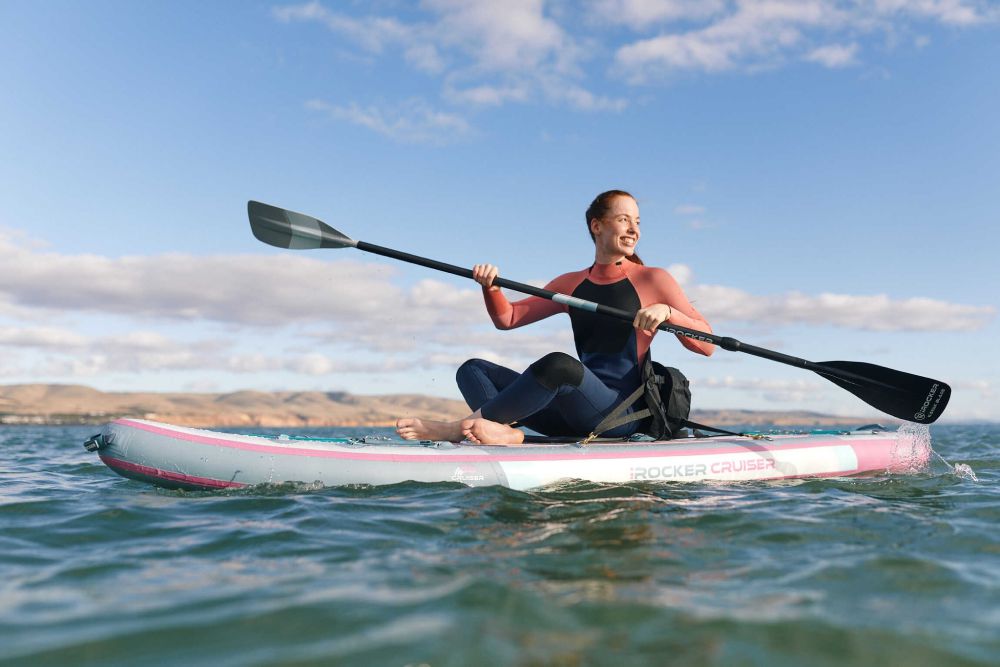
- iROCKER CRUISER 10'6”: Excels in calm conditions. Well-suited for beginners and families, this board's versatile length accommodates heights under 178 cm. At the same time, its stable deck area ensures riders of solo paddling, tandem paddling, or taking along a child or pet can enjoy themselves.
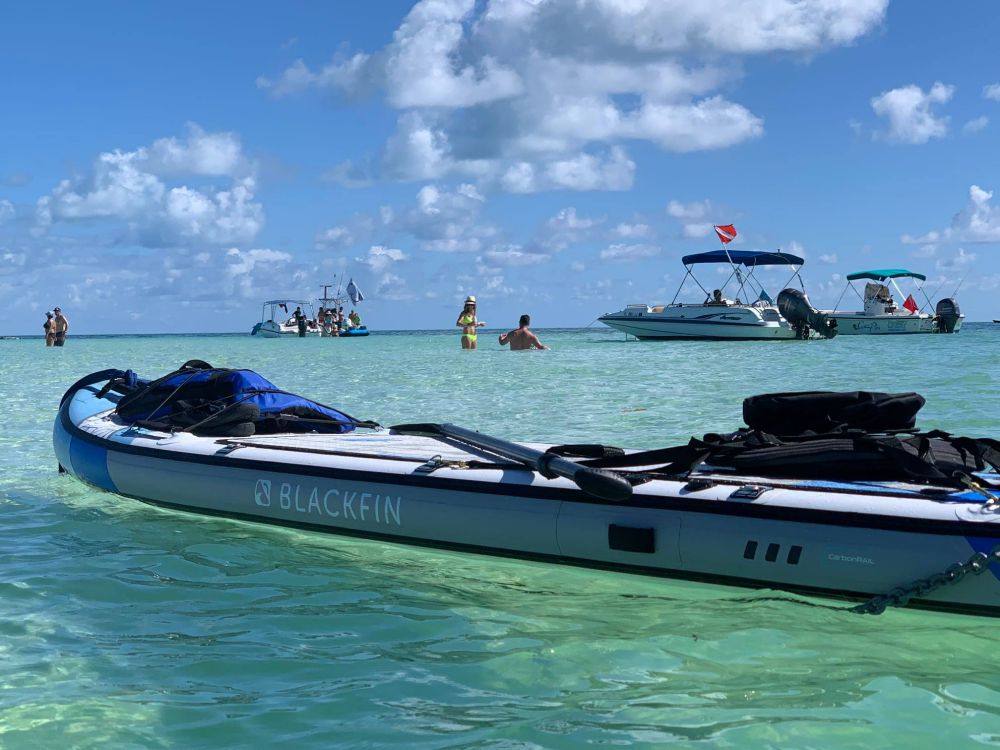
- BLACKFIN MODEL X 10'6": This item is perfect for family fun, fishing, yoga, and all-day adventures. Its Triple Layer PVC Composite and added Carbon Rail make it extremely rigid and durable for outdoor adventures. At the same time, two cargo bungee storage areas provide ample room to pack essentials for camping, fishing, or cruising.

Start Your Paddle Board Journey with iROCKER
With a better understanding of what is paddle boarding and the top models for beginners, it's time to go on your own adventure on the water. Experience the thrill of this exciting sport with our premium iROCKER inflatable SUP boards.
Designed for stability, durability, and versatility, our boards cater to riders of all levels, ensuring a safe and enjoyable experience. Explore our collection and let iROCKER be your partner in unlocking the wonders of paddle boarding!

FAQs
1. Is paddle boarding hard?
Paddle boarding is not hard at all. Anyone willing to learn can quickly get the hang of it. You'll find it easy to pick up even if you are not athletic. Plus, you don't have to stand the whole time if you don't want to.
2. What does SUP mean in paddle boarding?
SUP stands for stand-up paddle boarding - a water sport that originated from surfing in Hawaii. Paddle boarders stand on a floating board and use a paddle to move through the water.
3. Is SUP harder than Kayak?
SUP is harder than kayaking because it requires more balance and core strength. It can be challenging for beginners, but it gets easier with practice.
4. What accessories are needed for Paddle Boarding?
Here's our list of top paddle board additions that are perfect for your paddling adventures:
- SUP Paddle: A weightless, well-designed SUP paddle will improve your adventure. Aluminum paddles are reasonable but heavy, while carbon fiber paddles are light but pricey.
- Paddle Board Leash: A SUP leash keeps you connected to your paddle board, so even if you fall off, you don't drift away. It is essential for moving water, windy situations, or large bodies of water.
- PFD or Life Jacket: Choose a comfortable, paddling-specific PFD or life jacket to confirm you'll wear it consistently.
- Backpacks and Dry Bags: High-quality backpacks protect your board gear from water and are great for keeping items like clothes, snacks, and emergency kits.
- SUP Pumps: Manual pumps are standard with inflatable boards but require effort. Meanwhile, an electric pump saves energy for paddling.

Kayaking has become a beloved water sport for millions of people. It's a fantastic way to discover and enjoy rivers, lakes, and oceans. This guide is designed to provide the basics of how to kayak properly and enjoyably. We will discuss the necessary gear, paddling skills, and advice for your first adventure on the water.
What to Prepare Before Paddling a Kayak - Gear and Clothing
Before learning how to kayak right away, let's discover some essential items for kayaking. They can generally be divided into two categories: gear and clothing. Let's go over what you'll need for both shorter recreational outings and extended kayaking trips.
1. Kayak Gear
Regarding kayaking for beginners, these essential gear items ensure a safe and enjoyable outing on the water. Below are recommended for short, recreational outings:
- Kayak and paddle (one per paddler), plus a spare paddle
- Personal flotation device for each paddler
- Bilge pump to remove water from the kayak
- Spray skirt to cover the cockpit opening in cold weather
- Dry bag to store personal items and keep them dry
- Headlamp or light with extra batteries in case you're out after dusk
- Signaling a whistle to attract attention if needed

Additional recommendations for extended trips/overnights:
- Paddle float to help re-enter the kayak after a capsize
- Paddling knife attached to your life jacket
- Towline for towing or tying up the kayak
- Waterproof maps, charts, and compass
- Watch to keep track of time
- Weather/VHF radio and local emergency channel list
- Different sizes of dry bags
- Large sponge to remove water from the kayak
- Emergency flares or strobe light
- GPS loaded with map files
- Two-way radios for the lead and last kayaks
2. Kayak Clothing
Choose clothing based on expected air and water temperatures. Quick-drying, non-cotton items are essential, as cotton gets cold when wet.
Warm Weather/Water (>60°F):
- Shorts, swimwear, or convertible pants
- Rashguard top or moisture-wicking T-shirt/long-sleeve
- Neoprene water shoes or sandals
- Sun hat and cap retainer
- Bandana or buff for sun protection
- Optional: Paddling gloves, fleece jacket/vest, spray jacket/rain suit
Cold Weather/Water (<60°F):
- Dry suit, wetsuit, or top for cold/icy water
- Long underwear (if not wearing a wetsuit)
- Synthetic or wool socks to wear under booties
- Pogies (hand coverings) and wool/synthetic cap
How to Launch a Kayak for Beginners
For those new to kayaking, launching the kayak into the water can be a crucial step in every how to kayak’s guide that sets the tone for a successful and enjoyable experience.

Below are five steps in particular:
- Step 1: Check the location
Before setting up your kayak, carefully examine the shoreline and look for a smooth, flat area near shallow water where you can launch.
- Step 2: Position the kayak
Place the kayak parallel to the shoreline, with approximately 40% of the kayak in shallow water and 60% on land.
- Step 3: Prepare your paddle
Keep your paddle close to the kayak but slightly away from the water to prevent it from being washed away by waves or rising water levels.
- Step 4: Sit and slide
Once seated in the kayak and comfortable with the footrest and backrest adjustments, use one hand to hold the paddle vertically on the ground, lean forward, and push yourself with the other hand to slide the kayak into the shallow water.
- Step 5: Paddle and launch
After entering the shallow water, grip the paddle with both hands, rock your kayak gently to check for balance, and start paddling to build momentum and launch yourself into deeper water.
How to Adjust Your Position in a Kayak
Properly adjusting your position in the kayak is the next crucial step in progress for stability, comfort, and efficient paddling.

Take the time to dial in your fit while the kayak is still on dry land by focusing on your three main points of contact:
- Butt against seatback: Snugly position your butt firmly against the seatback. Adjust the seat angle or seatback if possible until it feels most comfortable for an upright paddling position.
- Feet on footpegs: Place the balls of your feet on the adjustable footpegs, sliding them until your knees slightly bend. It may be easier to adjust the pegs while out of the kayak.
- Knees against sides: Ensure your bent knees make firm contact with the sides of the cockpit opening. This contact allows you to control the side-to-side motion. The fit should be snug but not overly tight.
How to Hold Your Kayak Paddle Properly
In many how to kayak’s guides, it is essential to hold your kayak paddle for efficient and controlled paddling properly.

Image Source: Unsplash
Follow these steps to ensure you have the proper grip and paddle orientation:
- Step 1: Know the paddle structure. A kayak paddle has two blades attached to a shaft. You grip the rod, and the blades propel you through the water.
- Step 2: Use two hands on the shaft, about 40cm (16 inches) apart.
- Step 3: Orient the paddle correctly. The concave/smooth side of the blade should face you as you paddle.
- Step 4: Ensure blades are right-side up. Most are asymmetrical – the top is more horizontal than the tapered bottom. Any text should be upright.
- Step 5: Align knuckles with the blade's surface.
- Step 6: Hold the paddle about 30cm (12 inches) from your body.
- Step 7: Identify your control hand. For right-handers, it's the right. Allow the other “loose” hand to rotate for smooth entries.
- Step 8: Apply firm pressure with each stroke, submerging the blade fully for maximum power.
Kayak Techniques - Basic Strokes
Flatwater kayaking allows you to explore lakes and rivers freely. The key to great adventures is being able to control your kayak. By learning the basics of how to paddle a kayak covered here, you'll be able to paddle efficiently and go exactly where you want.
How to Forward Stroke a Kayak
The forward stroke is the most fundamental kayaking technique in terms of how to paddle kayak process. For an efficient and powerful stroke, it's crucial to engage your core muscles, not just your arms.
The forward stroke has three phases:
- The Catch: Rotate your torso and fully immerse the blade beside your feet.
- The Power: Keep your eyes on the blade. Rotate your torso as the blade moves behind you. Push against the shaft with your upper hand.
- The Release: When your hand passes your hip, slice the blade out of the water.
To continue, simply immerse the other blade by your feet with your torso already rotated

Image Source: Unsplash
Technique Tips:
- Use your core muscles, not just arms, to avoid tiring quickly or risking injury.
- Keep the blade vertical and fully immersed for straighter, faster paddling.
- Stay upright for better balance and efficiency.
- Think of the “paddler's box” body positioning throughout the stroke.
How to Reverse Stroke a Kayak
The reverse stroke provides a way to slow down, stop, or reverse direction on the water using the same torso rotation as the forward stroke, just in the opposite direction. Below are steps on how paddle kayak’s reverse stroke effectively in various situations.
- The Drop: Rotate your torso and immerse the blade beside your hip.
- The Power: Continuing the rotation, sweep the blade in front of you.
- The Release: When the blade reaches your feet, slice it out of the water.
To repeat, immerse the other blade by your hip, with your torso already rotated.

Image Source: Unsplash
How to Sweep Stroke a Kayak
If you consistently perform the forward stroke on one side of the kayak, you will observe the kayak gradually turning in the opposite direction. Regarding the “how to kayak” guide, you can execute the sweep stroke on the side of the kayak and provide a more effective method for turning it.
- The initial phase: Reach your arms forward and submerge the paddle blade near your feet to initiate the sweep. Start on the side of the kayak opposite to the direction you intend to turn.
- The turning phase: Execute a wide arc with the paddle towards the back of the kayak. Use your body's rotation to enhance the power of the stroke, particularly after the paddle has passed the cockpit.
- The final phase: As the blade nears the hull behind your cockpit, complete the stroke by smoothly removing the blade from the water.

The outcome should be a gradual curved turn with minimal loss of momentum. You can repeat the sweep stroke or resume the forward stroke if necessary.
Technique Suggestion: A broad sweep is crucial, so envision the hands of a clock in the water and strive to touch all the numbers along your arc.
How to Draw Stroke a Kayak
Draw strokes are utilized to move your boat sideways. This technique on how to kayak comes in handy when you need to pull close to a dock or another ship:
- Adjust the orientation of your paddle blade so that it is horizontal.
- Extend your paddle blade to touch the water about two feet away from the side of your boat. (The paddle shaft should be steeply angled.)
- Utilize your lower hand to pull the blade straight toward you, ensuring the blade's tip remains submerged in the water throughout the stroke.
- Stop the stroke before the blade makes contact with the side of the boat.

Image Source: Unsplash
Multiple draw strokes are typically necessary so that you can repeat the following steps:
- Rotate the blade by 90 degrees, then remove it from the water sideways.
- Repeat steps 1 through 4 as mentioned above.
Safety Reminder: If the paddle makes contact with the side of your boat, avoid attempting to pry the blade out of the water, as doing so can cause your boat to tip and capsize. If you feel the paddle hit the side, simply release your top hand or relax your body and start over. Avoid prying – try again.
How to Turn and Slow Down The Kayak
In terms of how to kayak’s steps, turning and slowing down your kayak requires specific stroke techniques. Master the sweep stroke for controlled turning and the reverse stroke to brake efficiently.
Step 1: Use sweep strokes to pivot and turn
To turn left, extend your right arm and immerse the paddle in front of you. Twist the torso left while sweeping the paddle back in a semicircle. Reverse direction to turn right.
- Turn your chest in the opposite direction, and you sweep the paddle to adjust your center of gravity.
- Stay balanced – don't lean too far toward the paddle or you may capsize.
Tip: Repeatedly paddling on one side can turn the kayak, but it's inefficient. Use one or two sweep strokes to change the angle, then continue forward paddling.
Step 2: Paddle in reverse to brake or slow down
To reverse direction, mirror your forward stroke technique:
- Immerse the right blade and sweep it forward
- As you raise the right blade, immerse the left and sweep forward
- Repeat this alternating pattern to paddle backward

Image Source: Unsplash
To slow down while turning, plant one blade in the water:
- For a right turn, submerge just the right blade
- For a left turn, submerge the left blade
Step 3: Use draw strokes to move sideways
The drawstroke helps you line up with a dock, avoid obstacles, or position yourself relative to others. First, hold the paddle vertically and immerse one blade with the flat side facing away. Next, slowly push the blade out from you to move in that direction. Alternatively, you can point the blade toward the kayak and pull it toward you on the opposite side to move laterally.
Using Rudders and Skegs
When you are learning how to kayak, you may wonder about handling challenging waters, in that case, kayak paddlers can consider some equipment that can aid in navigation such as a rudder and skeg for steering and tracking in windy conditions.
Skeg is a fixed-direction fin that can be attached under the boat (drop down from the boat’s hull) to aid in tracking and keeping the kayak moving forward. On the other hand, rudder is a steering fin attached to the back of the kayak that helps you steer and control directions easily by just pushing your footpeg to the side that you want to turn.
Although these gears are very helpful in improving navigation in challenged waters, we recommend that beginners should still focus on how do you paddle a kayak and practice basic techniques before you start using these tools.
How to Get Out The Kayak
The next how to kayak technique that needs kayakers mastering is transitioning from the water to the shore or a dock. In this stage, you must proceed with caution and maintain balance carefully.
- Step 1: Paddle towards the dock, slowing down as you get within 10 feet (3.0 m), and use draw strokes to align parallel to the dock.
- Step 2: Use draw strokes to line up with the side of the dock. Brake entirely when close.
- Step 3: Carefully lift yourself from the kayak onto the dock, keeping your weight low and moving slowly to maintain balance.
- Step 4: Paddle towards the shore, aiming for a calm, flat beach part.
- Step 5: Continue paddling forward until the front of your kayak slides onto the ground.
- Step 6: Push up using the sides of the cockpit, step into the water, and pull the kayak further onto the shore.
Tip: Balancing during a dock landing can be challenging. Proceed slowly and keep your weight low to prevent falling.

Image Source: Unsplash
How to Train for Kayaking
Training for kayaking involves strengthening the core and upper body to ensure you can paddle effectively and endure long distances.

Image Source: Unsplash
Here's a basic workout plan that targets the essential muscles used in kayaking:
- Single Arm Bent Over Row: This exercise strengthens your back, shoulders, and biceps, mimicking pulling the water towards you while kayaking.
- Incline or Flat Bench Dumbbell Chest Press: This versatile exercise strengthens your chest, shoulders, and triceps, which is crucial for powerful paddle strokes.
- Resistance Band Lat Pulldown: Target your latissimus dorsi, the large muscles in your back that are vital for effective paddling. This exercise simulates pulling the paddle through the water.
- Conventional Deadlift: This foundational exercise strengthens your back, legs, and core, providing the power to maneuver your kayak.
- Pushup: A classic exercise that builds strength in your chest, shoulders, and triceps. This helps with endurance and control in kayaking.
- Seated Long Pull (Single-Hand) with Resistance Band & Core Rotation Twist: This two-part exercise strengthens your arms, back, and especially your core, improving your ability to twist and reach while paddling.
How to Ensure Safety for Kayakers?
According to many how to kayak’s tips, it's essential to be prepared and aware of potential risks.

Image Source: Unsplash
By following a set of safety guidelines, kayakers can significantly reduce their risk of accidents and injuries on the water:
- Always check the local weather and wave forecast for your kayaking area and timeframe. This will help you avoid bad weather conditions.
- Let someone know your trip details, including where you're going, when you expect to return, and the watercraft you use.
- Be prepared to recover on your own if you capsize by practicing self-rescue techniques regularly.
- Enhance your paddling skills with lessons from a certified instructor.
- Obtain first aid and rescue training. Carry essential first aid and rescue gear with you.
- Always have a nationally-approved life jacket on, regardless of your swimming skills.
- Wear suitable clothing for the weather and water conditions to prevent hypothermia.
- Before setting out, inspect your gear for any signs of wear or damage.
- Stay clear-headed on the water by avoiding substances that impair your judgment and coordination.
- Paddling in flood conditions is extremely risky and should be avoided.
- Before paddling in unknown areas, scout ahead and portage (carry your kayak) around dangerous spots if necessary.
- Before starting paddling activities, consult your physician to ensure your safety.
Start Paddling Kayak with iROCKER
In conclusion, whether you're a seasoned paddler or new to kayaking, we hope the insights provided in this article on how to kayak above will enrich your adventures on the water.
If you want to experience kayaking excitement, consider trying the highly convenient and user-friendly inflatable kayak by iROCKER™. Designed to enhance your paddling experience with its comfort, versatility, and portability, this kayak is your perfect adventure companion. Visit iROCKER today to explore the full range of customizable features and embark on your next exciting journey!

FAQs
What are ways to start kayaking without having one?
When you're ready, explore alternative ways to begin kayaking:
- Borrow a kayak: It's even better if your friend is an experienced paddler who can take you out and teach you the basics.
- Rent a kayak: Visit a water-based outfitter so you won't have to transport the boat. You'll receive the essential gear and some instruction, making it a cost-effective way to get a taste of the sport.
- Join a guided tour: This option provides a boat, gear, and basic instruction all in one package. You can choose from options such as the parks department at your local lake or a kayaking trip in an exotic location.
- Enroll in a class: Similar to a tour, everything is provided. An introductory class offers more comprehensive instruction than a tour, making it the better choice if you're serious about taking up kayaking.
- Convert your SUP to a kayak: If you already have a stand-up paddle board, consider using a conversion kit to transform it into a kayak. This allows you to explore kayaking without the need for a separate kayak, making it a versatile and economical option.
How to choose a suitable kayak?
If you float on a river, you need a stable, sturdy craft that can turn quickly. This could be a short, stable recreational sit-in or sit-on-top boat or a day-touring sit-in kayak.
Is Kayaking hard for beginners?
No! Kayaking can be a fantastic sport for novices because once you have mastered the fundamental skills, you can begin right away. However, kayaking in challenging water or weather conditions can pose potential dangers.
How do I perform a roll when kayaking?
This trick is a bit harder for beginners, but nothing is impossible. First, you’ll need to position your paddle blade flat on the water's surface. Then push it down firmly while flicking the kayak upright using your hips. Remember to focus on driving your knee upward on the same side for momentum. You can practice the motion repeatedly in calm water such as a pool or a calm lake, and consider practicing with an experienced instructor to up your skills and build your confidence.
How do I kayak faster?
Focus on rotating your torso more than your arms to engage more power. At the same time, reach further when paddling to cover more water with each stroke.

Stand up paddle boarding has become a beloved pastime for water enthusiasts of all skill levels. However, mastering the nuances of stand up paddle board fin setup can take a paddler's experience to new heights. The right fin configuration has the power to enhance tracking, improve stability, and unlock newfound speed and maneuverability on the water. Through this article, our thorough guide explores the intricacies of the right fin setup and offers detailed insights to help enthusiastic paddlers unlock their board's full potential.
Different Types of Fin Setup for SUP
Transitioning between the various fin setups available for stand up paddle boards can significantly impact the board's performance, stability, and handling characteristics. Typically, there are 4 primary configurations for paddlers to choose from.
1. Single Fin
The single fin has its roots firmly in surfing, with the earliest surfboards all featuring a single large fin. Even today, longboards and smaller boards down to 7'6" can utilize a single fin, as riders appreciate its tracking and turning capabilities.
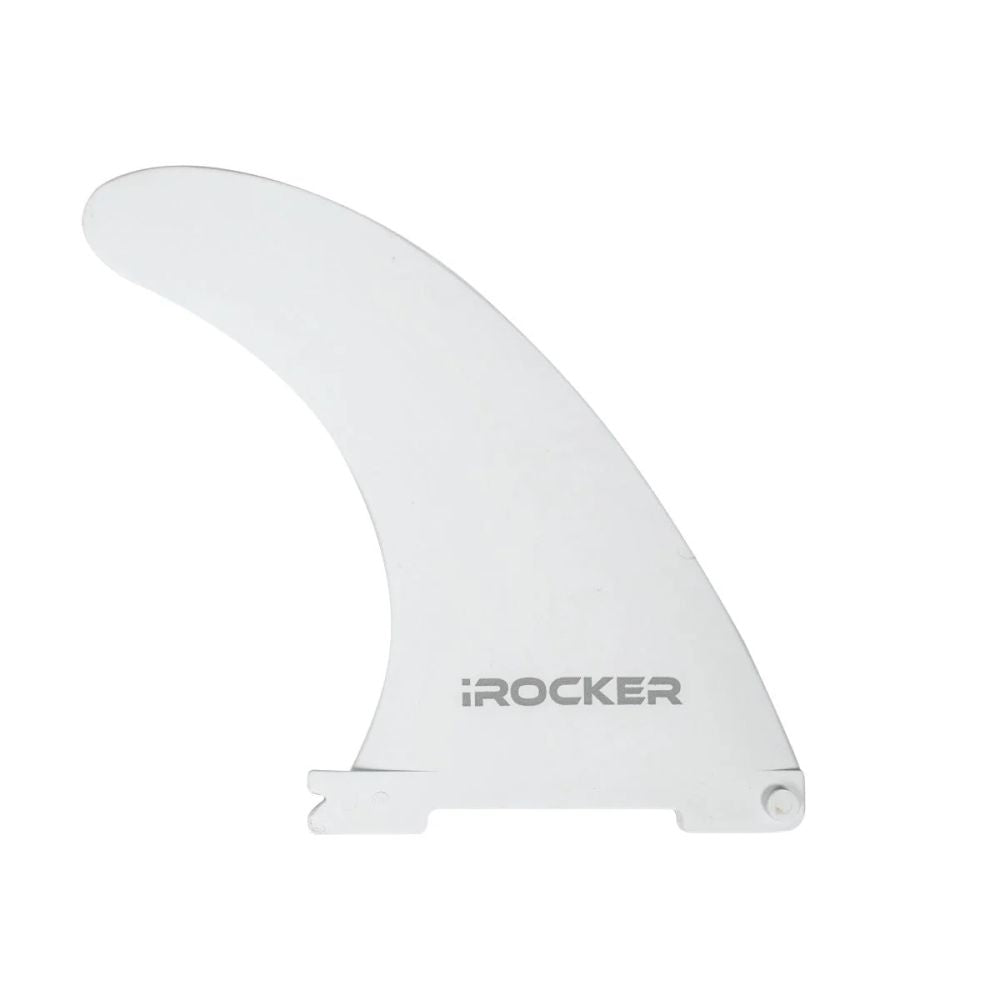
The single fin is known for its excellent straight-line speed and tracking, as well as its stability, due to the centralized placement of the larger fin acting as a fulcrum point against the water. This setup is well-suited for touring or racing stand up paddle boards, as well as all-around boards intended for flat-water use or occasional surf conditions.
2. Twin Fin
The twin fin configuration has gained popularity in the surfing world in recent years, featuring two medium-sized fins positioned slightly forward of where a center fin would typically be placed. This setup offers a fast, straight-line feel with the ability to execute aggressive, high-rail-to-rail turns. However, the trade-off is a decrease in overall stability due to the distributed fin placement.
3. Thruster Fin
The thruster fin setup revolutionized surfing in the early 1980s. It featured a smaller single fin paired with two mid-sized side fins. This configuration provided the stability of a single fin with the powerful turning ability of a twin fin setup.
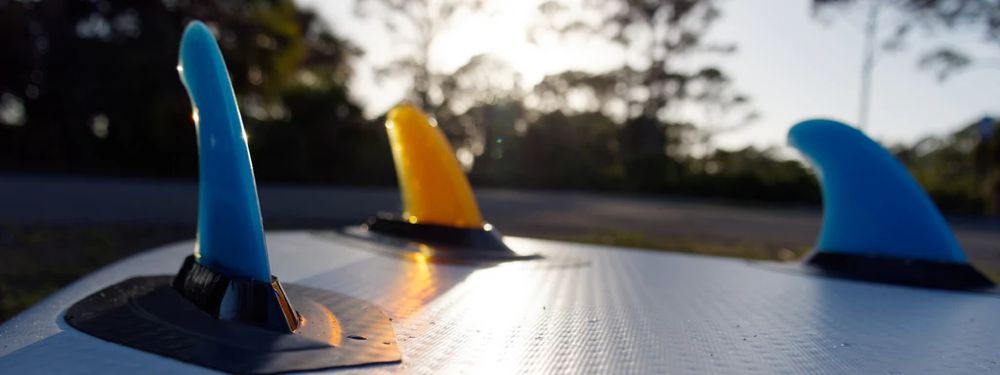
The thruster remains the most popular fin setup in surfing today. It can also benefit surf-specific stand up paddle board models, allowing for aggressive, high-speed turns on the rail.
4. 1+2 Fin
The 1+2 fin setup, also known as the “bite fins” configuration, blends the advantages of a single large center fin with the added stability and turning performance of two smaller side fins. These side fins are angled inward towards the nose of the board, providing additional “bite” and purchase when the stand up paddle board is being turned on its rail.
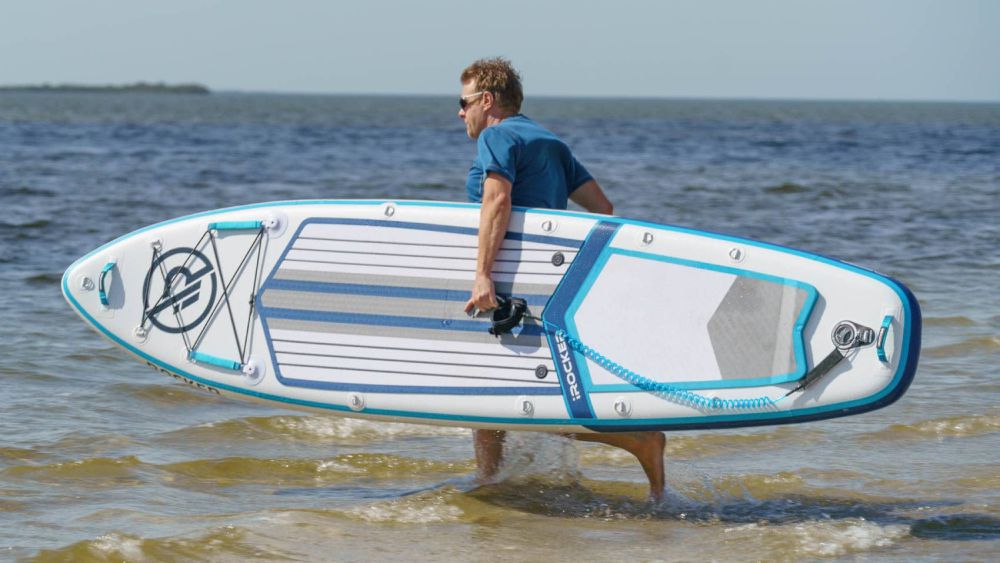
This setup allows for tunable performance, enabling paddlers to remove the side fins for a single-fin feel or utilize the full 1+2 configuration for enhanced maneuverability.
How to Choose the Right Fin Setup?
Various fin setups cater to different paddling styles and board attributes. Below are some useful stand up paddle board fin setup tips.
4 Factors to Consider When Choosing Fins
With a clear understanding of the importance of selecting the right stand up paddle board fin setup, let's delve deeper into the key factors that should guide your decision-making process.
1. Type of paddling (e.g., flatwater, surf, race)
The type of paddling you engage in is a primary driver in selecting the appropriate stand up paddle board fin setup. For cruising and leisure paddling, a large center fin offers stability and straight-line tracking. Meanwhile, a thruster setup with a smaller center fin and two larger side fins enables agile, rail-to-rail turns for surfing. Race boards typically opt for a single fin setup to prioritize speed and efficiency.
2. Board type and size
The design and dimensions of your stand up paddle board fin setup also play a significant role in fin selection. Smaller, more maneuverable boards may perform better with a twin fin or 1+2 setup, while larger, more stable platforms may be better suited to a single fin configuration. Inflatable SUPs, in particular, often require specialized fin arrangements to accommodate their unique construction and folding capabilities.
3. Water conditions
Calm, flat-water conditions may call for a setup that prioritizes tracking and straight-line speed, while more turbulent, wave-influenced waters may demand a configuration that enhances turning and maneuverability.
4. Paddler's skill level and preferences
Beginner paddlers may benefit from a more stable, predictable single fin configuration, while experienced SUPers may appreciate the increased performance and responsiveness of a thruster or 1+2 setup.
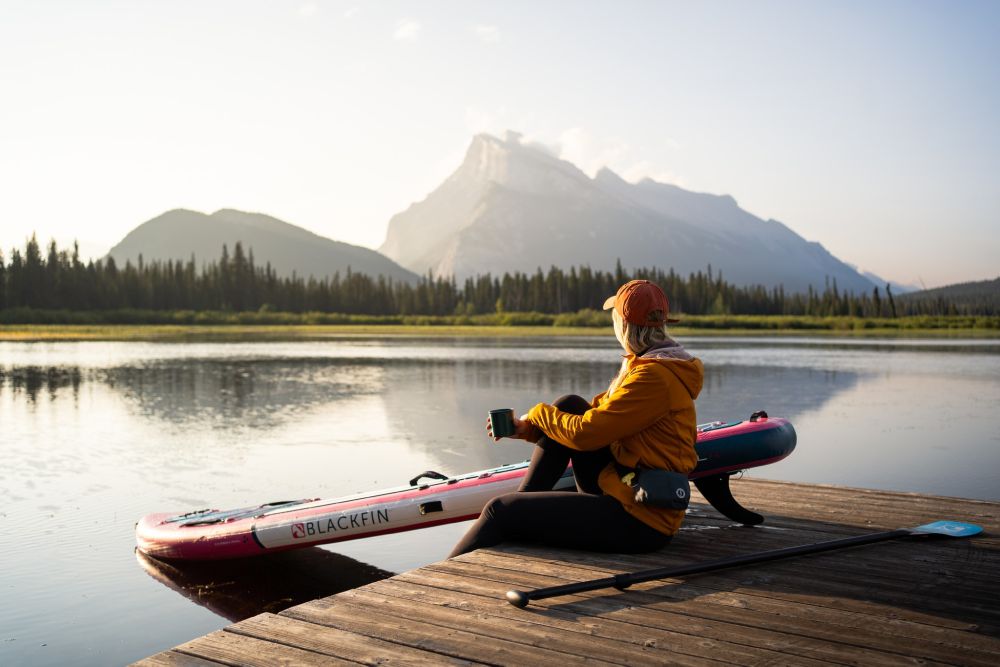
With a comprehensive understanding of the factors that influence stand up paddle board fin setup, we can now delve into the specific recommendations for various paddling disciplines.
Recommendations for Different Paddling Activities
- A single, large center fin is the clear choice for those who seek the ultimate in flat-water cruising and touring performance
- A single fin setup provides the speed and straight-line stability necessary for aspiring race champions who want to dominate the course.
- Regarding surf-specific stand up paddle boarding, the thruster configuration is perfect for paddlers to execute dynamics thanks to its high-performance turns.
- Those looking to explore a balance of straight-line performance and enhanced maneuverability may find the 1+2 fin setup to be the ideal compromise. It blends the benefits of a center fin with the added stability and enables the capabilities of side fins.
Regardless of your paddling preferences, mastering the art of stand up paddle board fin setup is the key to unlocking your board's true potential.
How to Install and Adjust Fins
Properly installing and adjusting the fins on your stand up paddle board is a crucial step in optimizing your on-water performance. Easy-to-follow instructions below will guide you through the process:
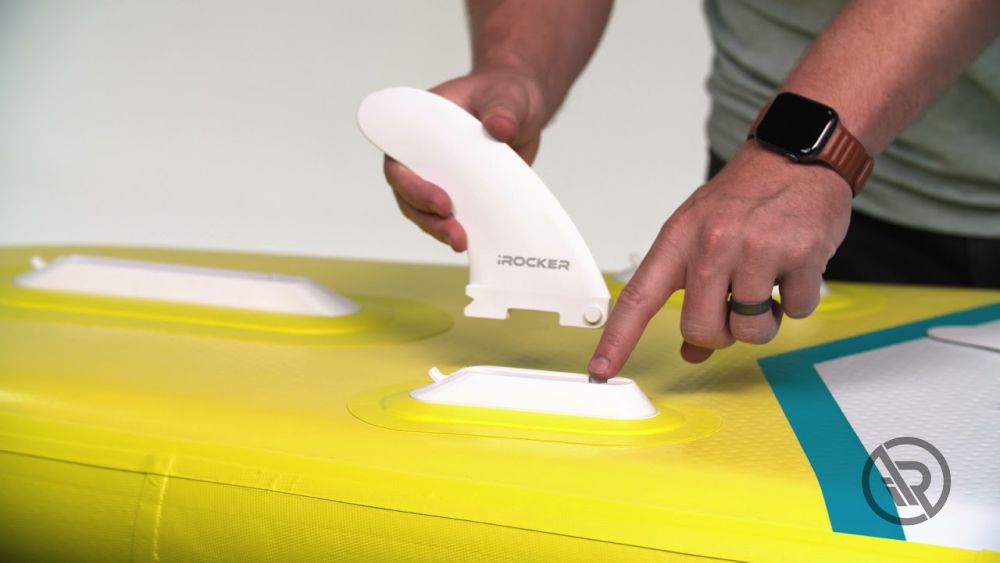
- Step 1: Slide the fin into the designated fin plate on your SUP, ensuring the curved edge is facing forward. Firmly press the fin all the way into the plate, using the palm of your hand if necessary to secure it in place.
- Step 2: Slide the tethered locking tab into the fin plate to firmly secure the fin and prevent it from shifting during your paddle. This simple step will provide peace of mind and ensure your stand up paddle board fin setup remains stable.
- Step 3: When removing the fins, simply remove the locking tab and gently tap the fin out of the plate. Be mindful that salt, debris, or grime buildup can make fin insertion and removal more challenging, so be sure to rinse the fin and plate with fresh water after each use.
- Step 4: Smaller, shallow fins are designed to provide enhanced maneuverability while offering some tracking assistance. These fins are best suited for shallow water environments where a longer fin might catch on the bottom or rocks. Conversely, longer fins with the greater surface area will improve your board's straight-line tracking but may offer more resistance to turns, making them ideal for open-water paddling.
- Step 5: Explore the variety of fin lengths and shapes we offer to fine-tune your stand up paddle board's performance on the water.
Remember, the fins you select and how you position them can dramatically alter how your SUP performs on the water. So take the time to experiment and understand the intricacies of stand-up paddle board fin setup to find the setup that unlocks your board's full potential.
How to Maintain Fins in Top Conditions
After successfully completing the stand up paddle board fin setup process, adopting a proactive approach to fin upkeep will reward you with a smooth, responsive ride every time you hit the water.
Tips
Establishing a daily fin care routine is essential for keeping your stand up paddle board's fin setup in top condition. Here's a rundown of must-do things to keep your paddle boards looking like new:
- Rinse thoroughly: After each paddling session, thoroughly rinse your fins with fresh water, pay close attention to the foot pockets and any crevices that may harbor debris or salt buildup.
- Clean the rubber components: To keep your stand up paddle board fins in good shape, use a non-acetone-based nail cleaner (butyl acetate, ethyl acetate, or isopropyl alcohol) on any colored accents.
- Maintain fin’s flexibility: Apply a few drops of food-grade liquid silicone to the rubber parts of your fins by using a clean or dry cloth.
- Avoid sunlight: Store your stand up paddle board fins in a cool, dry place, away from direct sunlight exposure.
Common Issues and How to Solve Them
Your stand up paddle board fin setup may encounter some issues while using or using after a long time. Here are some common issues that you should pay attention to:
- Difficulty inserting or removing fins: If you notice your fins have become challenging to slide into or extract from the fin boxes, a thorough cleaning with fresh water can often resolve the issue by flushing out any accumulated grit or debris. Avoid forcing the fins, as this could lead to damage.
- Fin damage or deformities: Over time, your stand up paddle board fins may sustain cracks, chips, or other physical deformities that compromise their performance and safety. If you observe any significant damage, replacing the affected fins is crucial to maintain the optimal fin setup for your SUP.
- Loss of fin during use: While rare, a fin can become dislodged from the fin box during use, particularly if the locking mechanism is not properly engaged. Regularly inspecting your fin setup and ensuring the locking tabs are securely in place can help prevent this issue.
- Finbox damage: The fin boxes themselves can also sustain damage, whether from impacts, corrosion, or general wear and tear. This can make it difficult or impossible to properly install your stand up paddle board fins. In such cases, you may need to have the fin box repaired or replaced by a qualified professional.
Perfect IRocker Paddle Board Fin for Your Aquatic Adventures
Whether you're seeking enhanced tracking and stability for flatwater explorations, the agility and maneuverability required for surf riding, or the efficiency and speed needed for race-day domination, the right stand up paddle board fin setup can make all the difference.
Ready to take your paddling to new heights? iROCKER paddle boards are designed to elevate your surf, flat water, and race experience. Our SUP fins are engineered and tested with the world's top athletes to provide superior performance, durability, and customization. Shop our paddle board fins and discover the perfect “match” to transform your time on the water.
FAQs
How do I know which fin setup is best for my SUP and paddling style?
The ideal fin setup depends on a few key factors: the type of paddling you'll be doing (flatwater, surf, river, etc.), your skill level, and the characteristics of your specific SUP board. In general, larger fins provide more stability and tracking for beginners and those paddling in flat conditions. Meanwhile, the smaller ones are more maneuverable and better suited for surf and whitewater. Our team can help you determine the optimal fin configuration based on your SUP, your experience level, and your intended use.
Can I use the same fins for both flatwater and surf/river paddling?
It's usually best to have dedicated fins for different paddling environments. Flatwater fins tend to be larger and provide more tracking. While surf/river fins are smaller and more agile. Using the wrong fin setup can negatively impact your performance and control. We recommend having a set of fins for each type of paddling you plan to do.
How do I properly install and maintain my SUP fins?
Most fins attach via a metal or plastic fin box built into the board. By carefully following the manufacturer's instructions, you can ensure they are securely locked in place. Regular cleaning and inspection of your fins and fin boxes will also help them last longer and perform at their best.
What are the benefits of investing in high-quality, brand-name fins?
Higher-end, name-brand fins are engineered for superior hydrodynamics, durability, and ease of use. They are often made from premium materials like carbon fiber, which provides increased strength and reduced weight. Additionally, brand-name fins are more likely to be compatible with your specific SUP model and come with comprehensive warranties. The performance and peace of mind you get from quality fins can be well worth the investment.
How can I be confident that I'm getting the right advice for my SUP needs?
At iROCKER, our team of SUP experts is dedicated to providing personalized guidance to ensure you get the right equipment and accessories for your paddling style and goals. We have decades of combined experience in the sport and are passionate about helping our customers succeed. When you reach out to us, you can trust that you're receiving knowledgeable, unbiased advice to help you make informed decisions.

Do you wish to take off and fly over Okanagan Lake with its gleaming blue waters? Paddle Board Kelowna showcases incomparable sights and a unique physical experience. Whether you are an experienced paddler or just a curious beginner, this guide provides everything you need to know about Paddle Board Kelowna.
DISCLAIMER: Before traveling to a paddle location, ensure that the location still allows for paddle boarding and make yourself aware of any rules and regulations in place.
What Is Interesting In Kelowna?
Exposure to the sun's rays, the quadratic water elements, and the horizon is the view of mountains that sky hug – Kelowna, the best place located in interior British Columbia, Okanagan Valley, is the place where outdoor people coexist with the people relax in a single place. Let us say, you are making your way through Okanagan Lake, the second-longest freshwater lake in Canada, with mountains gleaming with snow as if they were decorated with powdery sugar on top.
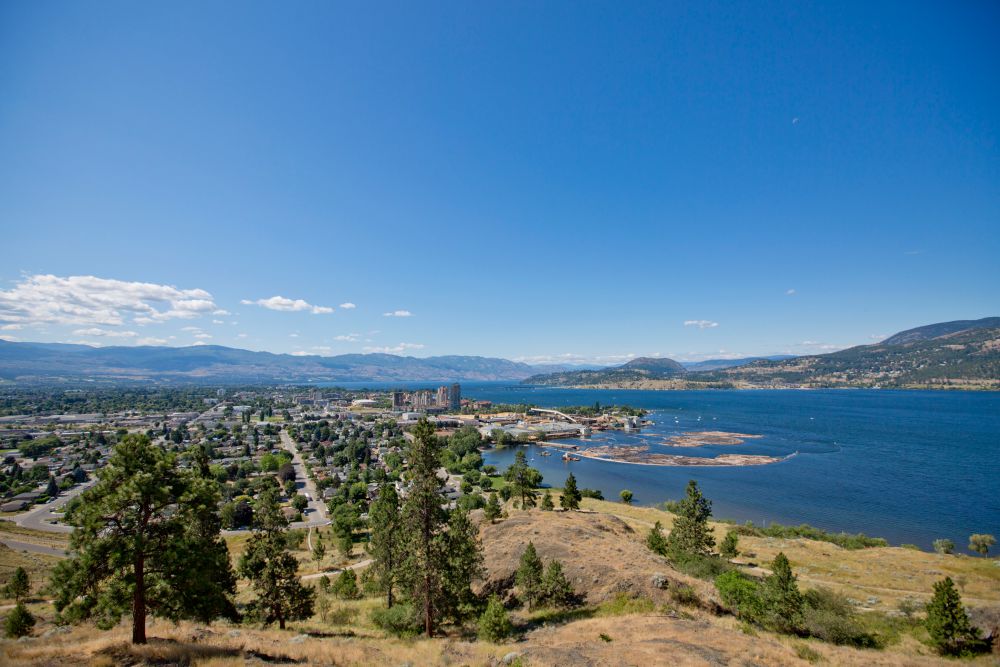
It’s a lively city with an open-minded culture. Its downtown core has great restaurants, goodie shops, and fancy bars, offering both daytime and after-hours fun to the public. Whether you are in search of adrenaline-fuelled activities such as hiking and cycling or if you intend to have a chilled-out vacation with lakeside picnics, paddle boarding, and golfing, Kelowna’s withdrawal of everyone’s attention. And to all that, we have added an invitation to bask under the sun’s rays.
Kelowna enjoys more than 2000 hours of sunshine per year, which makes it a terrific location for lying under the sun. Hence, check out Kelowna—a location where anything exciting can happen anytime near all places and some of the best places to paddle board in Kelowna.
4 Best Place to Paddle Board in Kelowna
With all these cool conditions for a paddle, where is the best place to set out in Kelowna this holiday? Here is a list highlighting the top destinations for paddle boarding Kelowna.
1. Kelowna Paddle Trail
The Kelowna Paddle Trail is a 27-kilometer stretch along the shores of Okanagan Lake, designed specifically for paddle enthusiasts. The trail extends from McKinley Beach to Bertram Beach and is far away from the hustle of watercraft. With 22 strategically placed guiding buoys, paddlers can navigate through calm waters, offering a peaceful and constant paddling experience.
- Skill Level: All levels
- Water Type: Freshwater Lake
- Launch Points: McKinley Beach to Bertram Beach
- Access: There are several public access points at both McKinley and Bertram Beach
- Amenities: Parking spots are available near launch points. Besides, there are some rest areas allocated along the trail
- Fee: No fee required
- Unique Feature: The trail is marked by 22 buoys, which create a separate space free from motorized watercraft. This is an ideal spot for paddlers who want to enjoy the picturesque Kelowna Paddle Trail.
2. Kalamalka Lake
Kalamalka Lake has become famous lately for its amazing turquoise waters, which change color under the sun. That makes all paddle boarders coming to Kalamalka Lake join a visual feast. The water condition in this lake provides an ideal paradise for both beginners, with its clear, calm waters. It was also chosen to be one of the top 10 most beautiful lakes in the world. When you come to Kalamalka Lake, you can enjoy the unique coloration of the lake and play paddle board in a tranquil scene at the same time.
- Skill Level: Beginner to Intermediate
- Water Type: Freshwater Lake
- Launch Points: Kalamalka Lake Provincial Park, Kalavista Boat Launch
- Access: You can easily public access to the park at designated spots
- Amenities: There are several conveniences provided for tourists such as picnic areas, restrooms, and nearby shops for rentals
- Fee: There is no fee for access, but rental costs may vary
- Unique Feature: The most impressive point that you cannot skip is the colorful turquoise waters of Kalamalka Lake, promising to enhance your paddle boarding experience.
3. Skaha Lake
Skaha Lake has recently been one of the most suggested paddle boards Kelowna because of its gentle waters and scenic vistas. More special, with the warmer water conditions in South Okanagan, Skaha Lake is a perfect spot for paddlers who are craving a great workout with lots of fun. Under the sun’s warmth, SUP enthusiasts can also enjoy the surrounding breathtaking landscapes.
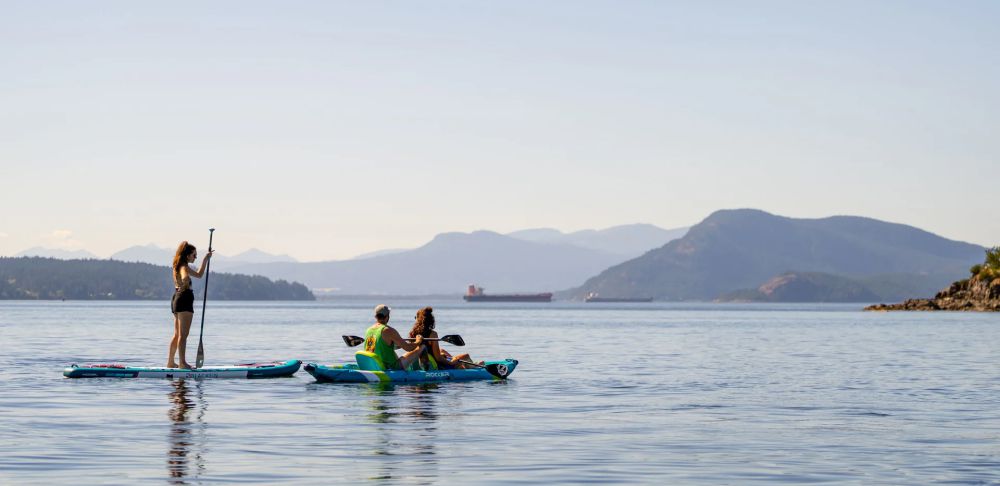
- Skill Level: All levels
- Water Type: Freshwater Lake
- Launch Points: Skaha Lake Park, Sudbury Beach
- Access: You can easily public access the ample parking in Skaha Lake
- Amenities: Some amenities are provided for all paddlers in each area including picnic tables, restrooms, and nearby rental facilities
- Fee: There is no entry fee but remember that rentals are available for a fee
- Unique Feature: With the comfortable weather of Southern Okanagan, the waters are also warmer and especially, it has a longer paddling season.
4. Rattlesnake Island
If you are an experienced paddler, Rattlesnake Island is a must-visit spot that you cannot miss. Rattlesnake Island lies in the Okanagan Lake and is an intriguing trek located a short distance from the shores of Peachland. For adventures, Rattlesnake Island is an ideal spot as it brings a wild and mysterious vibe from the old myths and legends.
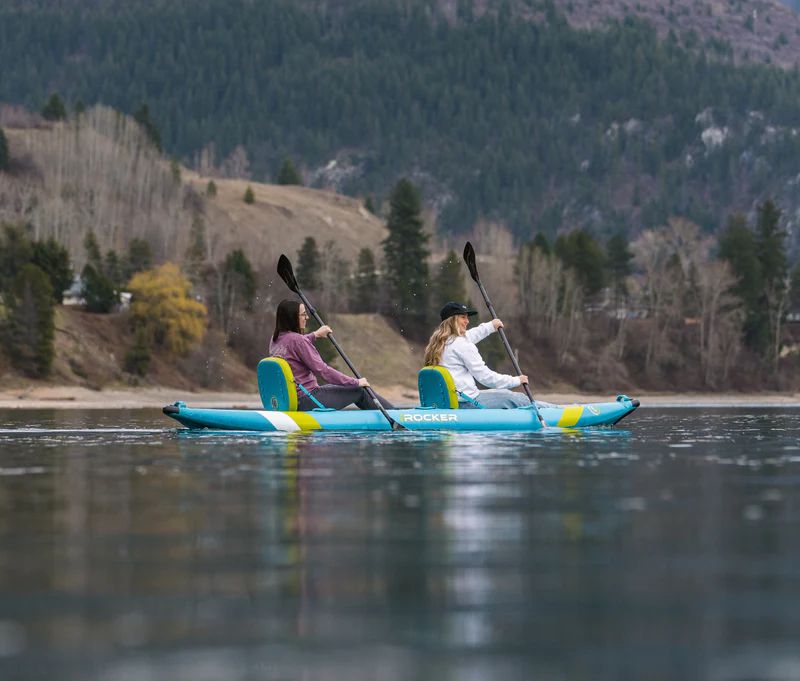
In addition to paddle boarding, paddlers and tourists can wander the path across Okanagan Lake to Rattlesnake Island to enjoy the picturesque scene, clear waters, and variant local wildlife.
- Skill Level: Intermediate to Advanced
- Water Type: Freshwater Lake
- Launch Points: Peachland, accessible by paddle from Antlers Beach
- Access: You can come there by boat or paddle from the mainland, remember that there is no direct road access
- Amenities: There is no convenience on the island, but you can find facilities available in Peachland
- Fee: There is no access fee. However, you should prepare for self-sufficient paddling
- Unique Feature: Maybe the most impressive feature is home to local legends. This will offer a sense of adventure as the journey to this uninhabited island promises to be an unforgettable remark for you on this trip.
Reasons To Paddle The Kelowna
Check out some cool reasons why you should try paddle board Kelowna.
- Center location: As Kelowna is right in the middle of Lake Okanagan, it is a perfect destination to go either north or south. Both directions have their beauty.
- Relaxation: Being surrounded by beautiful nature is a good way for you to relax and put all your worries down. This helps you have time for yourself here and now.
- Calm water: Though you can't surf on a lake, you can stand up paddle board in the sea or lake in Kelowna. Paddle boarding on calm water is tranquil, which helps you feel peaceful while playing this sport.
- Time for family: A stand up paddle board, which can be ridden by a large number of people, is a great way for everyone to bond and enjoy time together. You can have fun and quality time with your whole family on a SUP.
Tips to Paddle Board in Kelowna
Here are some tips for you to have a quality and fun experience when you paddle board Kelowna.
- Safety First: You should keep life jackets that are rented in safekeeping. Think of, an inflatable PFD instead of one made of stiffer foam, for increased personal comfort.
- Sun Smarts: Pack sunscreen and wear long-sleeved shirts, shorts, or pants while being outdoors, especially at the height of Okanagan summers.
- Fuel Up: Your kid may be a little unprepared to fight thirst on the road, and that can be quite bad. Bring some water along with snacks for them to keep themselves hydrated.
- Board Basics: Choose a board with good quality and suitable for others who are inexperienced or who always bring kids together.
- Kid-Friendly Fun: Younger children can share a canoe with a parent, while teens can paddle their own canoes to explore the lake.
- Perfect Paddling Season: Cool and calm weather with warm sunshine has been favorable for sailing and boating on the lake.
Let Your Paddle Board Kelowna Start Now!
Kelowna's clean waters and breathtaking views make for a perfect place where you are sure to experience the most delightful SUP adventure. If you want to have quality time to paddle boards in Kelowna, explore iRocker's extensive range of top-quality inflatable paddle boards right now to get the best experience on the water. Alright then, pick up your board, bask in the Okanagan warmth, and find the power of Paddle Board Kelowna!
Looking for more exciting destinations? Download our Blue Adventures app to discover thousands of local and international spots for an exhilarating journey.

Paddle boarding is a fantastic way to explore the beautiful city of Laval this summer. Laval is just a short drive north of Montreal, offering easy access to wonderful waterways perfect for paddling. This city features stunning parks, serene rivers, and tranquil lakes that provide diverse paddle boarding experiences. No matter your skill level or interests, this comprehensive list has a paddle board Laval spot to suit everyone. So start planning your paddle boarding bucket list and get ready to discover the beautiful waterays! Below are the TOP 11 fabulous paddle board Laval spots that paddlers cannot miss.
DISCLAIMER: Before traveling to a paddle location, ensure that the location still allows for paddle boarding and make yourself aware of any rules and regulations in place.
1. Parc de la Rivière-des-Mille-Îles
This location paddle board Laval Park, along the Rivière des Mille Îles provides a truly unique paddle boarding experience. Especially, the meandering river is dotted with countless small islands. The park's protected waters are ideal for beginner to intermediate level SUP enthusiasts looking to enjoy a peaceful day on the water.
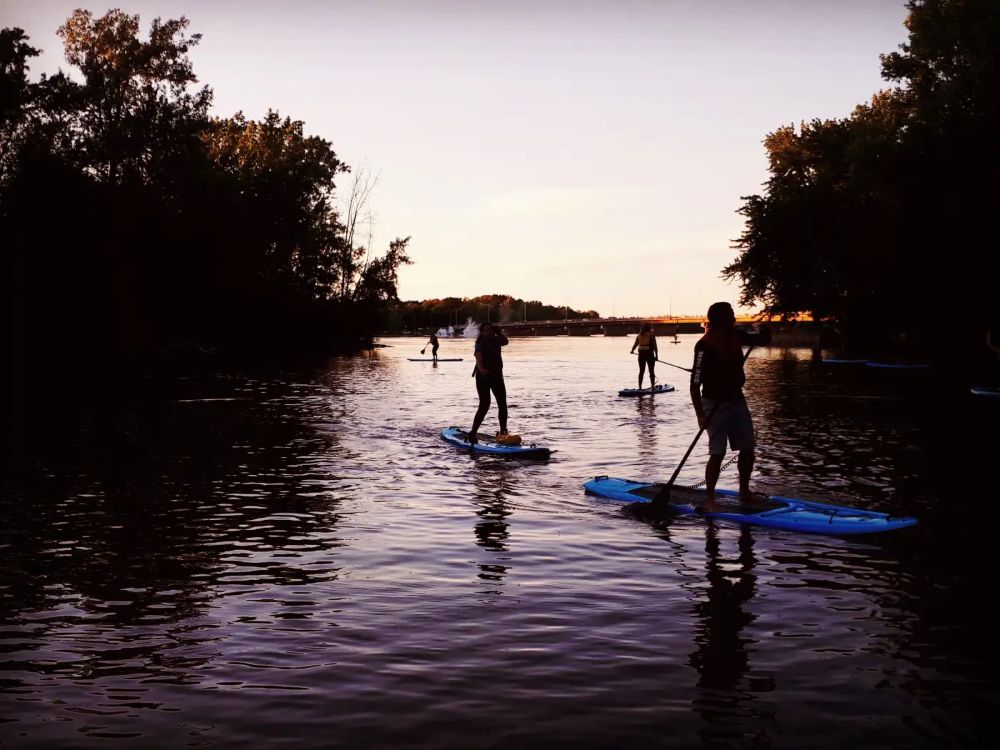
- Water type: Calm river with many small islands.
- Skill level: Beginner to intermediate.
- Weather condition: Ideal for paddle boarding on warm, sunny days.
- How long to take there: 25 minutes from downtown Montreal.
2. Parc des Prairies
Regarding paddle board in Laval, Parc des Prairies is the best place if you're looking to learn how to paddle board. You can easily reach this spot without having to hike with your gear. In general, the water is flat and tranquil. You'll get some of the best views of the scene when you paddle! Our best recommendation is to paddle here at sunset for something genuinely amazing.
- Water type: Tranquil lake.
- Skill level: Beginner.
- Weather condition: Good for paddle boarding in most weather conditions.
- How long to take there: 20 minutes from downtown Montreal.
3. Centre de la Nature de Laval
Centre de la Nature de Laval is near downtown Montreal but feels like a different world when you are there! Nestled within Laval's bustling urban landscape, the Centre de la Nature provides a serene oasis for paddle boarders. The park's peaceful pond offers a calm, sheltered setting perfect for beginner paddlers looking to hone their skills or simply enjoy a relaxing afternoon on the water.

- Water type: Serene pond.
- Skill level: Beginner.
- Weather condition: Sheltered from wind, suitable for calm days.
- How long to take there: This paddle board Laval spot is 5-minute drive from downtown MTL.
4. Île-de-la-Visitation Nature Park
For those seeking a more adventurous paddle boarding experience, Île-de-la-Visitation Nature Park is another excellent choice that you’ll fall in love right away! The park's slow-moving river provides an unspoiled setting for intermediate level paddlers to explore. However, it's important to be mindful of the weather, as windy conditions can impact the river's navigability.
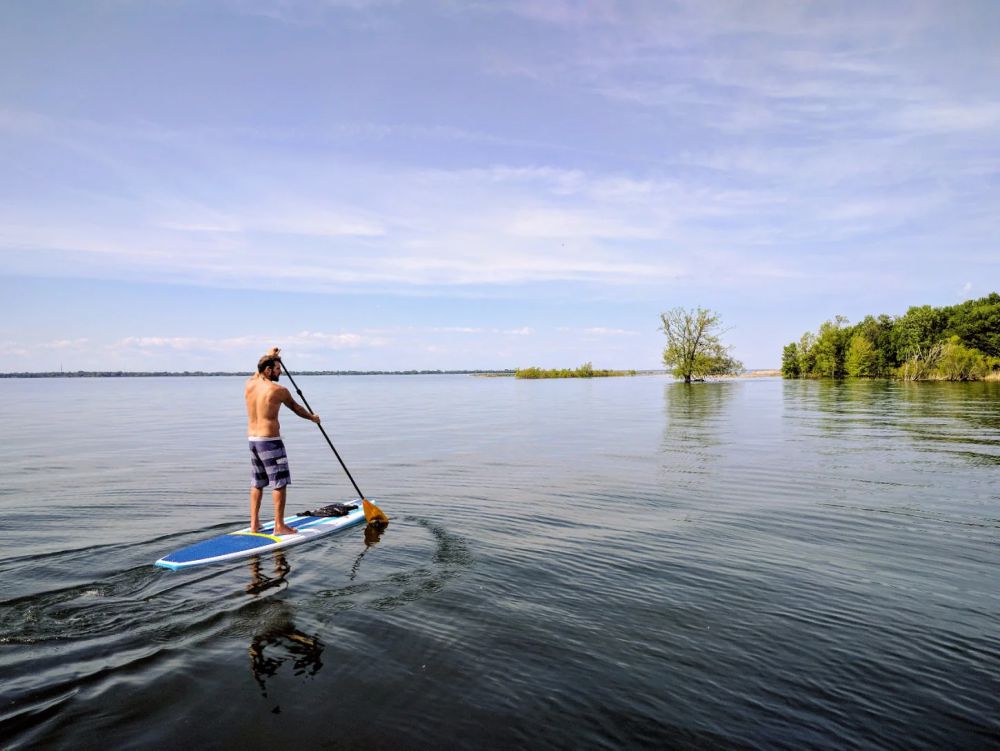
- Water type: Slow-moving river.
- Skill level: Intermediate.
- Weather condition: Best on calm, clear days.
- How long to take there: This paddle board Laval takes 30 minutes from downtown MTL.
5. Rivière des Prairies
Flowing through the heart of Laval, the Rivière des Prairies should undoubtedly be added to your wish list for location paddle board Lavel. The river's moderate current and occasional rapids provide a greater challenge for experienced paddlers. Nevertheless, it is crucial to avoid venturing out during periods of high winds, which can make navigating the waterway treacherous.

- Water type: Flowing river with some current.
- Skill level: Intermediate to advanced.
- Weather condition: Avoid high winds.
- How long to take there: 25 minutes from downtown MTL.
6. Parc du Moulin
For a truly tranquil and serene paddle boarding Laval outing, why not head to Parc du Moulin this summer? This picturesque park features a peaceful canal with an idyllic setting for beginner and intermediate level paddlers. The calming atmosphere and easy navigability of the canal allow you to simply unwind and immerse yourself in the natural surroundings.

So, if you want to escape the hubbub and bubble of Montreal life, this is the place to go.
- Water type: Peaceful canal.
- Skill level: Beginner to intermediate.
- Weather condition: Good for paddle boarding in most conditions.
- How long to take there: 18 minutes from downtown Montreal.
7. Parc de la Rivière-des-Prairies
Parc de la Rivière-des-Prairies is the greatest location paddle board Laval if you're looking for a weekend adventure retreat. The river here has a gentle current and is perfect for paddlers of all skill levels.
As you glide across the water, you'll be treated to stunning vistas of the surrounding shoreline, with lush vegetation and wildlife lining the banks.
- Water type: Calm river.
- Skill level: All skill levels.
- Weather condition: Good for paddle boarding in most conditions.
- How long to take there: 22 minutes from downtown Montreal.
8. Parc René-Lévesque
With its wonderful spots to explore by paddle board, Parc René-Lévesque is a peaceful haven within Laval's urban surroundings. The lake's easy navigability allows paddlers to focus on mastering their technique or simply enjoying a peaceful day out on the water.
Whether you're looking to try paddle boarding for the first time or simply want to relax and unwind, Parc René-Lévesque is an excellent choice.
- Water type: Calm lake.
- Skill level: Beginner.
- Weather condition: Suitable for paddle boarding in most weather.
- How long to take there: 18 minutes from downtown Montreal to get this paddle board Laval spot.
9. Parc du Boise de l'Île-Paton
Perfect one for the wildlife lovers! Tucked away on a tranquil island in the Rivière des Prairies, Parc du Boise de l'Île-Paton offers a one-of-a-kind paddle boarding adventure. Owing to the location's remoteness, it is best to have some prior paddle boarding experience before embarking.
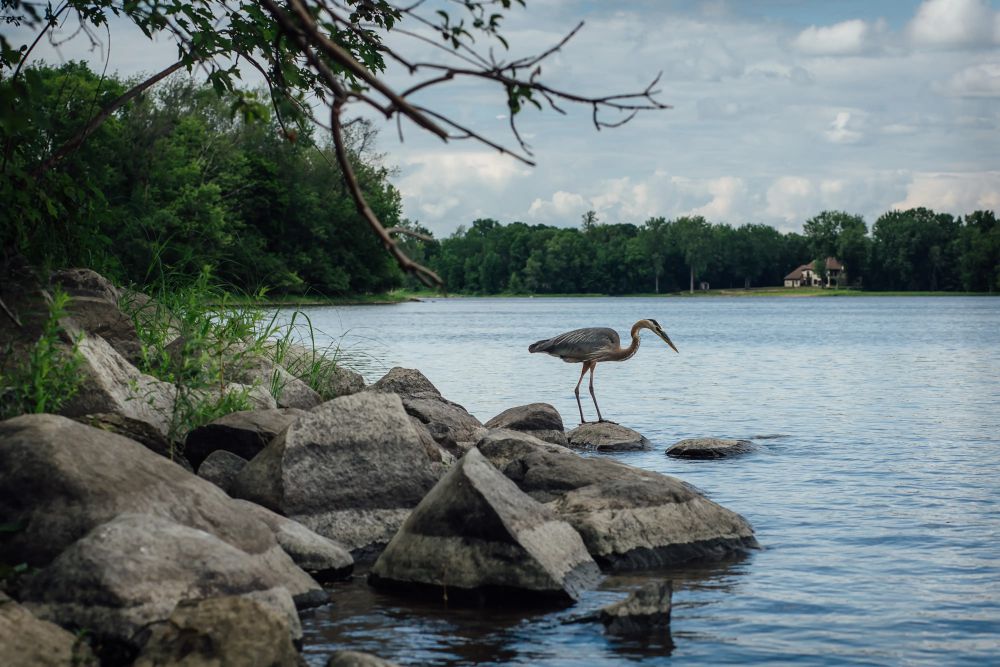
Beginners should focus on perfecting their talents to cross this paddle board Laval location off their list!
- Water type: Slow-moving river.
- Skill level: Intermediate.
- Weather condition: Best on calm, clear days.
- How long to take there: 27 minutes from downtown Montreal.
10. Parc Berge des Baigneurs
This park along the Rivière des Prairies provides a peaceful and relaxing paddle boarding in Laval environment.
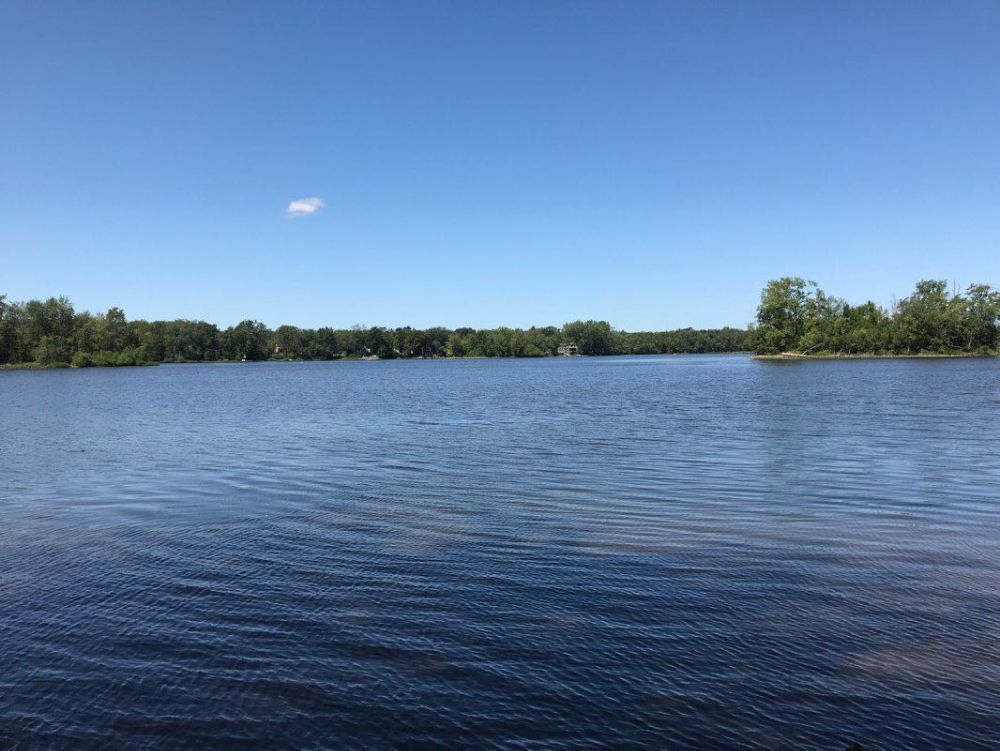
The calm currents are perfectly suited for “rookies” and intermediate folks looking to enjoy a leisurely day on the water.
- Water type: Calm river.
- Skill level: Beginner to intermediate.
- Weather condition: Good for paddle boarding in most conditions.
- How long to take there: 20 minutes from downtown Montreal.
11. Parc-mille-iles, Laval
Just a 30-minute drive from downtown Montreal, Parc-mille-iles is a perfect paddle board Laval location to paddle no matter where your experience level is. Both beginners and experienced paddlers alike will enjoy the scenic views and wonderful waters.
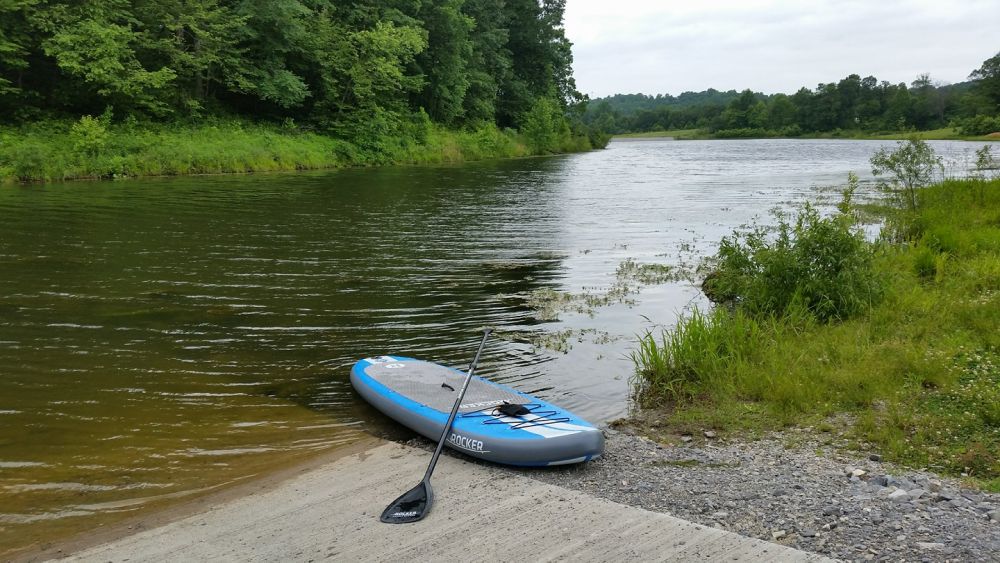
This beautiful river location is filled with a labyrinth of small islands and inlets – a truly unique and picturesque paddling adventure.
- Water type: Calm river with lots of small islands and inlets.
- Skill level: Beginner to intermediate.
- Weather condition: Ideal for paddle boarding on warm, sunny days.
- How long to take there: 30-minute drive from MTL.
When is The Best Time to Go Paddle Boarding in Laval?
The best time for paddle boarding in Laval spans from late May to mid-September. Summer is an excellent time for paddle boarding in Laval. During this period, the ice has melted, and the weather is pleasant. With soft summer swells, it’s best to venture to these scenic destinations in the summer months for the best paddle boarding Laval conditions. Additionally, paddlers can also enjoy calm mornings or serene sunsets on the water.
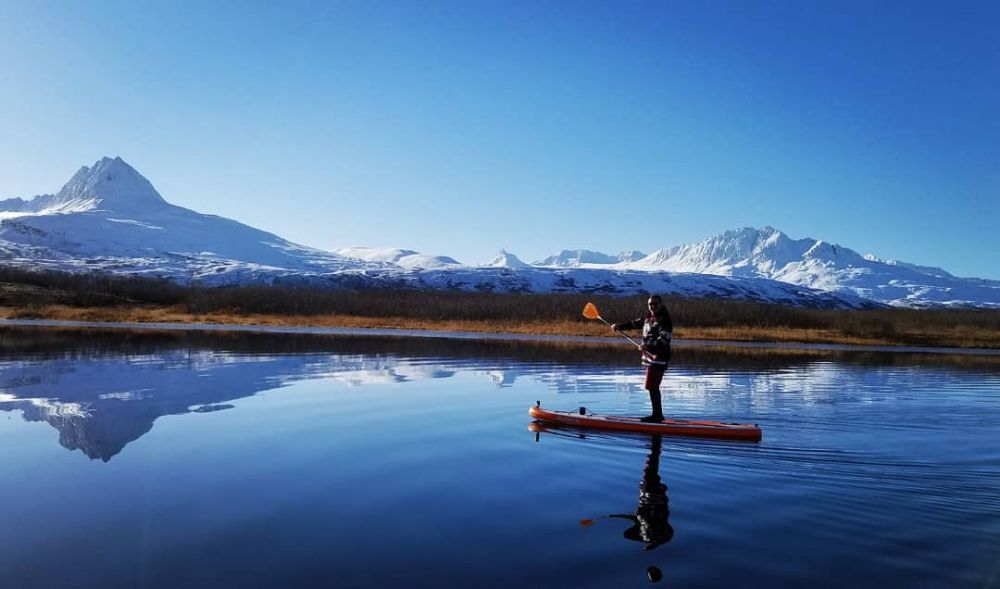
Discover The Perfect Paddle Board for Your Laval Adventures
Location paddle board Laval rental services in Laval like Canoe Kayak Laval, Parc de la Rivière-des-Mille-Îles or Laval Tourisme offer top-quality equipment at competitive prices. However, owning your own paddle board provides unmatched convenience and freedom for adventures. With your personal board, spontaneous excursions are just a whim away whenever the call of wanderlust strikes.
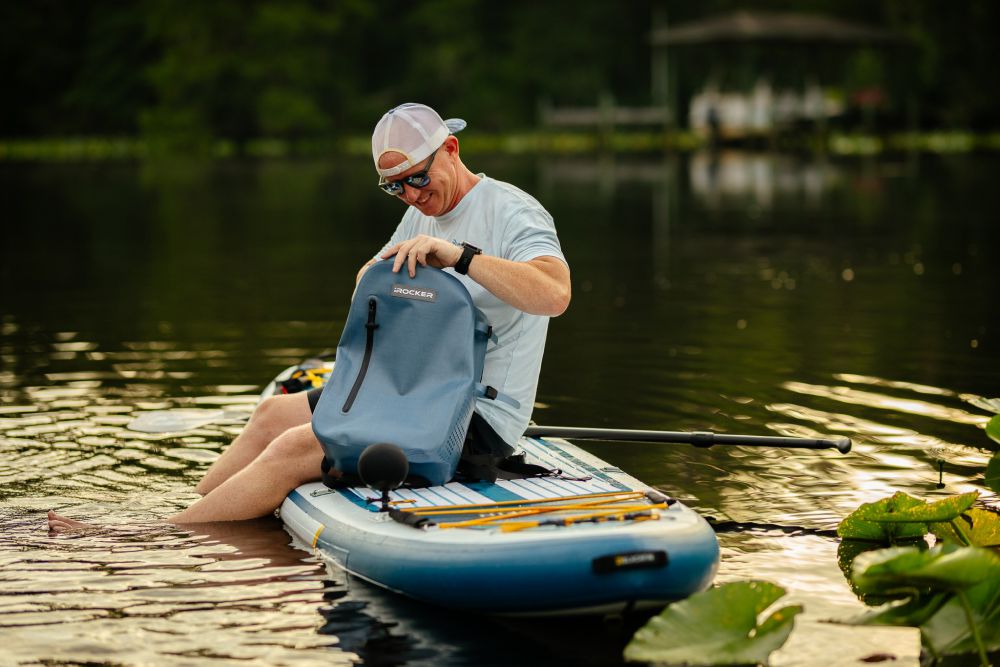
In the pursuit of adventure, iROCKER offers an exceptional lineup tailored to every paddler's needs and skill level. Our inflatable SUP boards seamlessly accommodate diverse paddling abilities from the versatile to the sleek and efficient Irocker and the ultra-stable Black Fin.
Enjoy Your Paddle Boarding Trip in Laval
Get ready to elevate your paddle board Laval experience to new heights with iROCKER's top-of-the-line stand up paddle boards. With our industry-leading construction and generous warranty, we guarantee a worry-free journey.
And here's the best part – with our 90-day guarantee, you can test the waters before fully committing. So why wait? Dive into the crystal-clear waters of Laval with iROCKER by your side today!
Want to know more incredible paddle boarding locations? Download the Blue Adventure app from iROCKER today!

Located just a short drive from Montreal, Chambly offers a unique blend of natural beauty, calm waterways, and a vibrant paddle board community. The river's gentle current and sheltered coves provide an ideal environment to glide across the water, taking in the sights of historic forts and lush forested shores. Beyond the natural beauty, Chambly has also embraced the growing popularity of local outfitters offering equipment rentals, guided tours, and even instruction for those new to the sport.
Whether you're looking to leisurely cruise the waterways or challenge yourself with a longer excursion, paddle board Chambly has something to offer every paddle boarding enthusiast. Without further ado, the article below will share the top spots for paddle boarding in Chambly and several insider tips to make the most of your time on the water!
DISCLAIMER: Before traveling to a paddle location, ensure that the location still allows for paddle boarding and make yourself aware of any rules and regulations in place.
Prime Locations for Paddle Boarding in Chambly
Getting out of the city to enjoy nature is always a significant source of joy. Here are the top 5 scenic paddle board Chambly spots just a short drive from Montreal that you’ll love!
1. Chambly Basin
Chambly Basin is a serene river located just a short drive from Montreal. Known locally as Bassin de Chambly, it’s technically part of the Richelieu River.
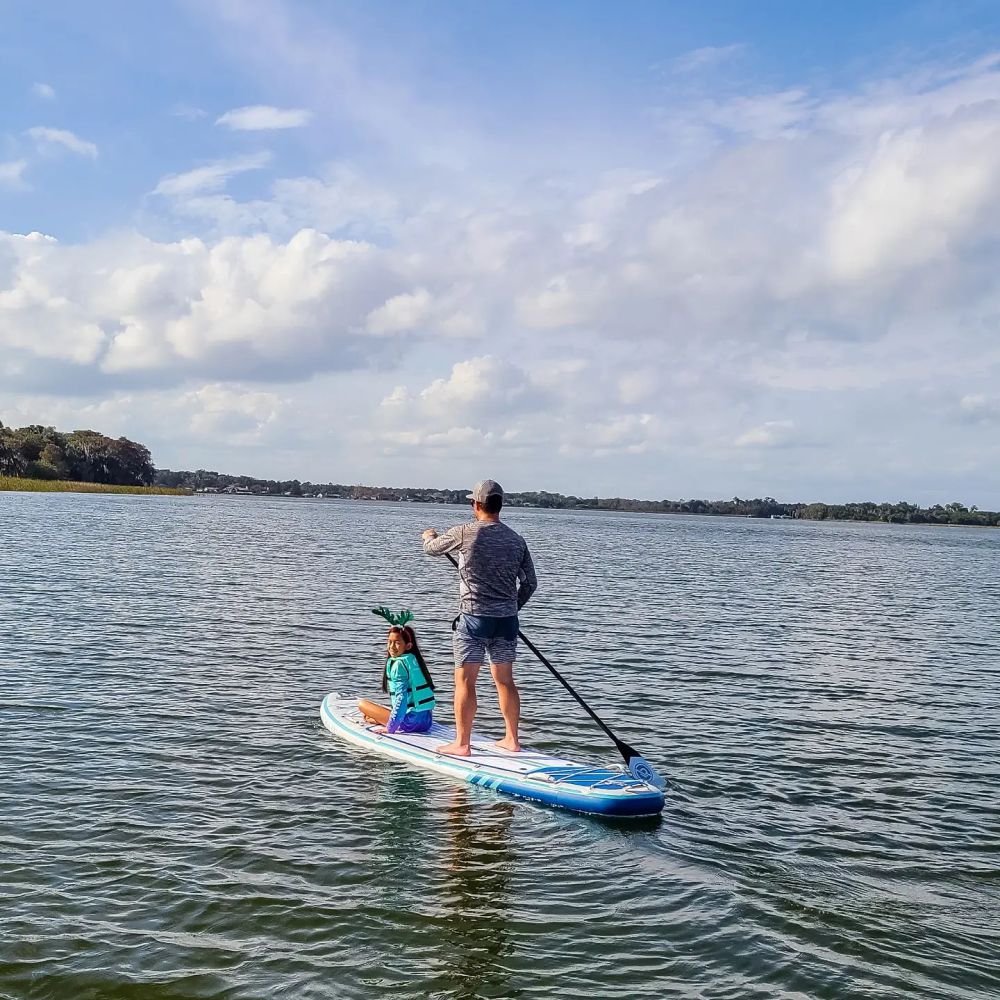
The wide banks of the Basin provide a lake-like environment perfect for stand-up paddle boarding, especially for beginners. It’s an ideal location for a day trip from Montreal, with public docks facilitating easy launching. Moreover, in this location, paddle board Chambly for dogs is also popular.
- Water type: Calm, flat water.
- Skill level: Beginner to intermediate.
- Weather condition: Ideal for paddle boarding on calm, sunny days.
- Unique feature: Dog-friendly paddle boarding.
- Amenities: Public docks, picnic areas and facilities nearby.
2. The Richelieu River: For the Adventurous Paddler
The Richelieu River is a popular destination for adventure paddler board Chambly who love to indulge in the thrill of strong currents. Among the enthusiasts are stand-up paddle boarders who are always up for a challenge and the river's dynamic flow offers just that.
Compared to the tranquil waters of the Chambly Basin, navigating the Richelieu River on a paddle board requires a different level of skill and courage. It's an experience that will leave you with a sense of accomplishment and an adrenaline rush that you won't forget anytime soon.
- Water type: Flowing river with mild rapids.
- Skill level: Intermediate to advanced.
- Weather condition: Best in calm, clear weather - avoid high winds.
- Unique feature: Paddler board Chambly experiences the thrill of navigating rapids and currents while surrounded by natural scenery.
- Amenities: Several access points and launch sites along its banks.
3. Centre Nautique Poseidon
If you are looking for an exciting water adventure but don't own any equipment, then the Centre Nautique Poseidon paddle board Chambly is the perfect destination for you. This center offers a wide selection of watercraft, including stand up paddle boards, that you can rent at an affordable price.
The staff at this center are known for their friendly and helpful service, so you can be assured of a warm welcome when you arrive. With its picturesque location and top-notch facilities, the Centre Nautique Poseidon is the ideal place to spend a fun-filled day with family and friends.
- Water type: Calm, protected lake.
- Skill level: Beginner to intermediate.
- Weather condition: Sheltered from wind, good for most conditions.
- Unique feature: Paddle boarding lessons and instructions.
- Amenities: Equipment rentals, changing rooms, a beach area, and a snack bar.
4. Centre Nautique Gervais-Désourdy
Center Nautique Gervais-Désourdy is a scenic destination situated along the picturesque Richelieu River. It provides an unforgettable experience at the charming Chambly Basin where paddle board enthusiasts can indulge in the breathtaking beauty of the surroundings.
The location is perfect for safe and exciting paddle board Chambly adventures that cater to the whole family, offering various options such as rowboats, stand-up paddle boards, canoes, recreational kayaks, and ocean kayaks.
- Water type: Flowing river with some current.
- Skill level: Intermediate.
- Weather condition: Ideal on calm, sunny days.
- Unique feature: Picturesque Richelieu River while taking in the natural surroundings of the Chambly Basin area.
- Amenities: Stand-up paddle boards, rowboats, canoes, and kayak rentals, changing rooms and a small shop.
5. Eau calme du canal Chambly
Looking for a chill spot to paddle board and relax? Head over to the Eau calme du canal Chambly. It's perfect for those who want to experience paddle boarding in a peaceful and tranquil location paddle board Chambly setting.
You can also go kayaking or fishing while enjoying the beautiful scenery. The water is calm so that you can take your time and paddle board or kayak at your own pace. It doesn't matter if you're a pro or a beginner – the canal's calm waters are perfect for all skill levels. So, pack your paddle board, grab your friends, and head over to the Eau calme du canal Chambly for a fun-filled day on the water!
- Water type: Flat, calm canal water.
- Skill level: Beginner to intermediate.
- Weather condition: Great for paddle boarding in most weather.
- Unique feature: Explore the historic waterway and enjoy the scenic surroundings along the canal banks.
- Amenities: May not have dedicated amenities for paddle boarding.
Preparing for Your Paddle Boarding Adventure in Chambly
Getting ready for a paddle boarding excursion in Chambly is all part of the fun. By having the right gear and choosing the best times to hit the water, you can utilize most of your time on the region's scenic waterways.
What Should You Bring?
When embarking on a paddle board Chambly adventure, there are a few essential items you'll want to have with you:
- A paddle board, paddle, and a personal flotation device
- An inflatable paddle board (be sure to pack a pump as well)
- Quick-drying fabrics
- Neoprene apparel
- Sunscreen
- Lip balm
- Sunglasses
- A hat
- Water shoes
- A waterproof bag
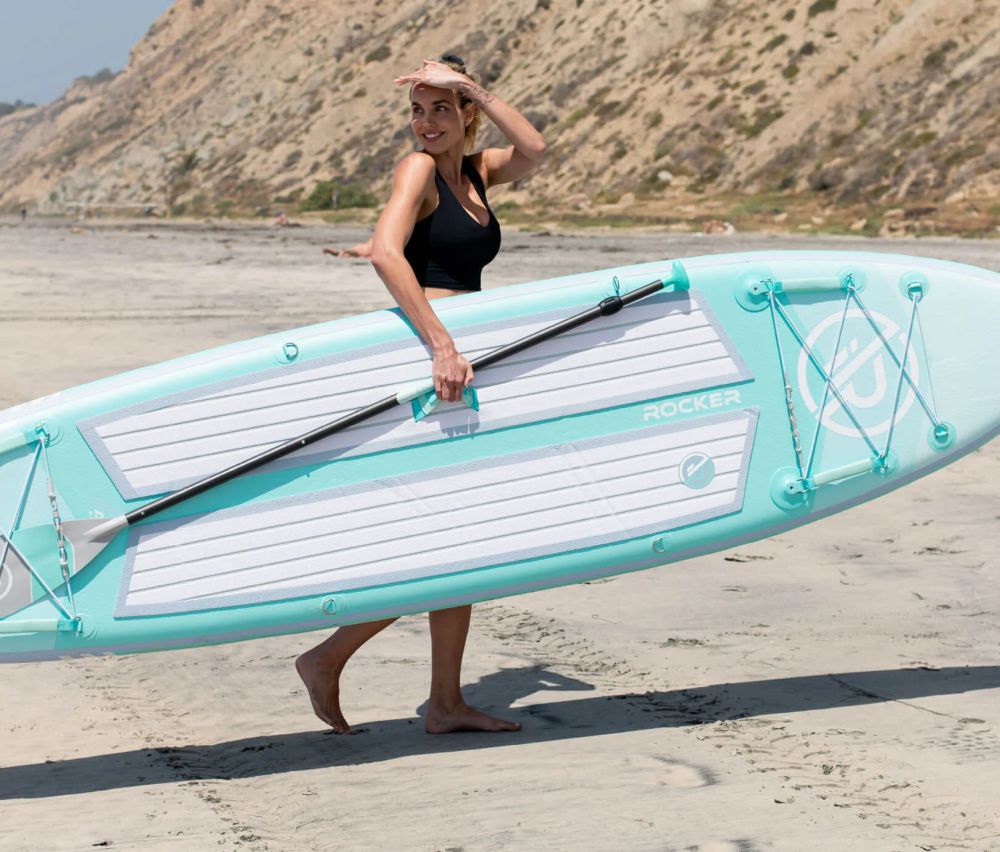
Best Times to Paddle Board in Chambly
The prime season for paddle board Chambly runs from mid-May to mid-October. This time frame coincides with the operational hours of the historic Chambly Canal, allowing you to glide past the charming old bridges and functioning locks that dot the waterway.
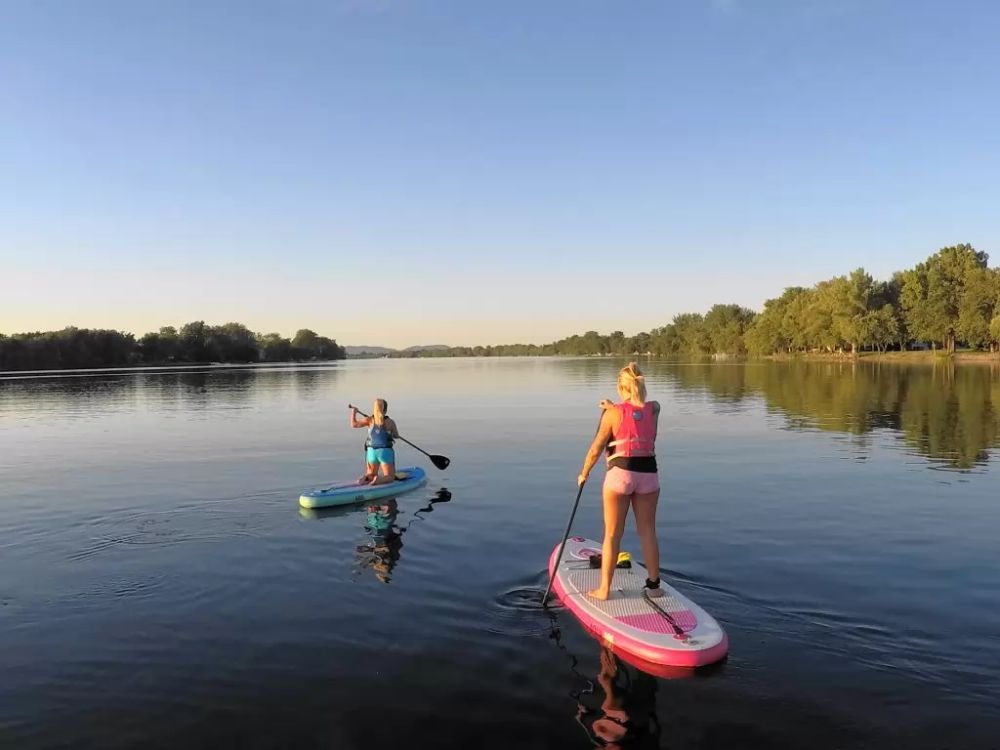
Paddle Board Rentals and Lessons in Chambly
If you don't own your own paddle board, there are several options for rentals and lessons in the paddle board Chambly area in case you need:
- Chambly Canal National Historic Site: You can purchase a seasonal sticker for navigation for $25
- Centre Nautique Poseidon: According to its website, paddle boarding and course rental pricing ranges from $21.99 to $69.99.
- PADL: PADL offers a range of options to enhance your Chambly paddle boarding experience, starting at $40/rental and $85 for 2-hour private lessons.
Are you ready to take your paddle board Chambly passion to the next level and invest in your own board? Look no further than iROCKER! Rest assured that we offer the highest quality inflatable SUP for Chambly's paddle boarding community. From rugged, all-around boards perfect for navigating Chambly's rivers and canals to sleek, performance-oriented models built for speed and maneuverability, there is always an iROCKER SUP to match your unique paddling style and preferences.
Safety Tips for Paddle Boarding in Chambly
Safety is paramount when embarking on a paddle board Chambly excursion in the tranquil waters of Richelieu currents. Come and grab some main safety tips below!
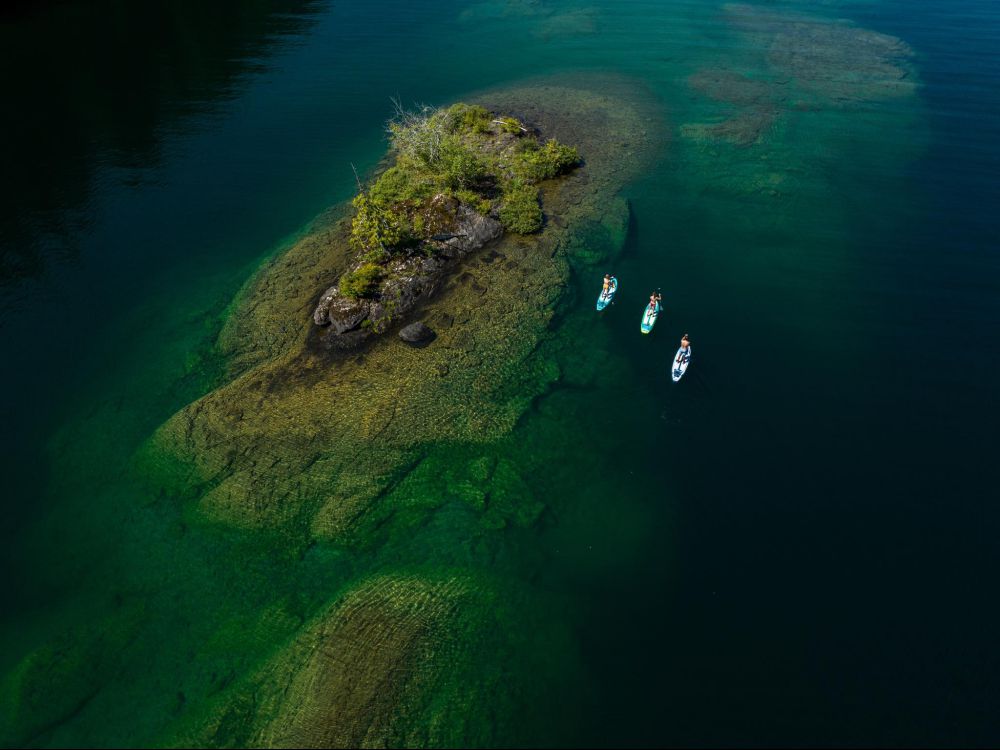
Staying Safe on the Water
Remember, safety should always be your top priority when enjoying paddle boarding. Here are some useful safety tips for Chambly paddle board to ensure a secure and enjoyable experience on the water:
- Always wear appropriate safety gear like a life jacket, leash, and whistle while paddle boarding.
- Avoid paddling alone, as it's safer and more enjoyable with others.
- Dress appropriately for the water temperature, not just air temperature.
- Stay out of boat lanes and areas with heavy boat traffic.
- Carry your phone in a waterproof pouch for emergencies.
- Check weather conditions and avoid paddle boarding in windy or stormy weather.
- Know your limits and don't venture into waters beyond your skill level.
- Stay hydrated by carrying enough water during your paddle boarding session.
- Practice sun safety by wearing sunscreen and protective clothing.
- Understand and follow local regulations for the area where you're paddle boarding.
- Maintain balance by keeping your knees soft, looking forward, and keeping your paddle in the water.
- Start paddling against the wind so you have the wind at your back on the return trip when you are more tired.
- If you fall off, swim to your board first as it's your main flotation aid.
- Be cautious of areas known for potentially dangerous marine life.
Environmental Respecting
As paddle boarders glide across the Chambly waters, embracing the role of environmental stewards is essential. This means maintaining a respectful distance from wildlife, ensuring no trace is left behind, and with minimal disturbance to the peaceful aquatic realm.
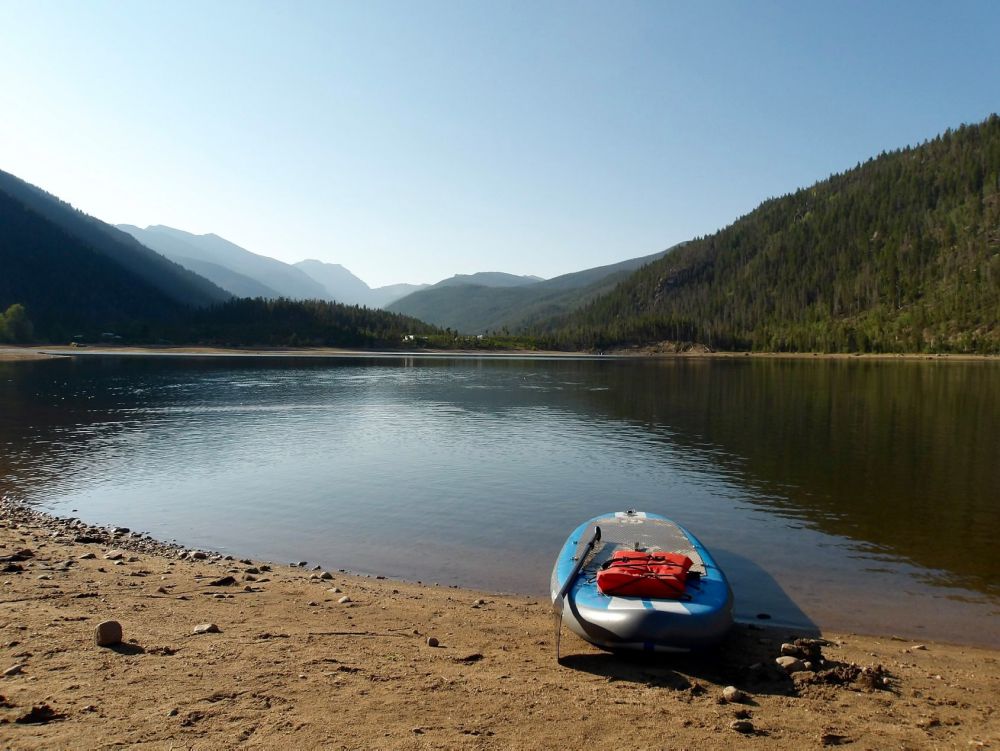
Make the Most of Your Paddle Boarding Experience in Chambly
Chambly is not just merely a place for paddle boarding. On top of that, it's a gateway to discovery and community.
Exploring Chambly's Attractions by Paddle Board
In fact, paddle board in Chambly offers more than just an aquatic adventure. From the vantage point of a paddle board, paddlers can gain more insights into Canada's storied past history through Fort Chambly. Moreover, the Chambly Canal also presents a picturesque setting with its lush banks and calm waters. As paddlers glide along this serene waterway, they can immerse themselves in Chambly's natural beauty and rich heritage.
Community and Events
Chambly paddle board scene is vibrant and welcoming as paddlers can participate in every community event. For example, the all-female paddle gathering on June 4, 2023, where camaraderie and the love for the outdoors unite enthusiasts of all levels.
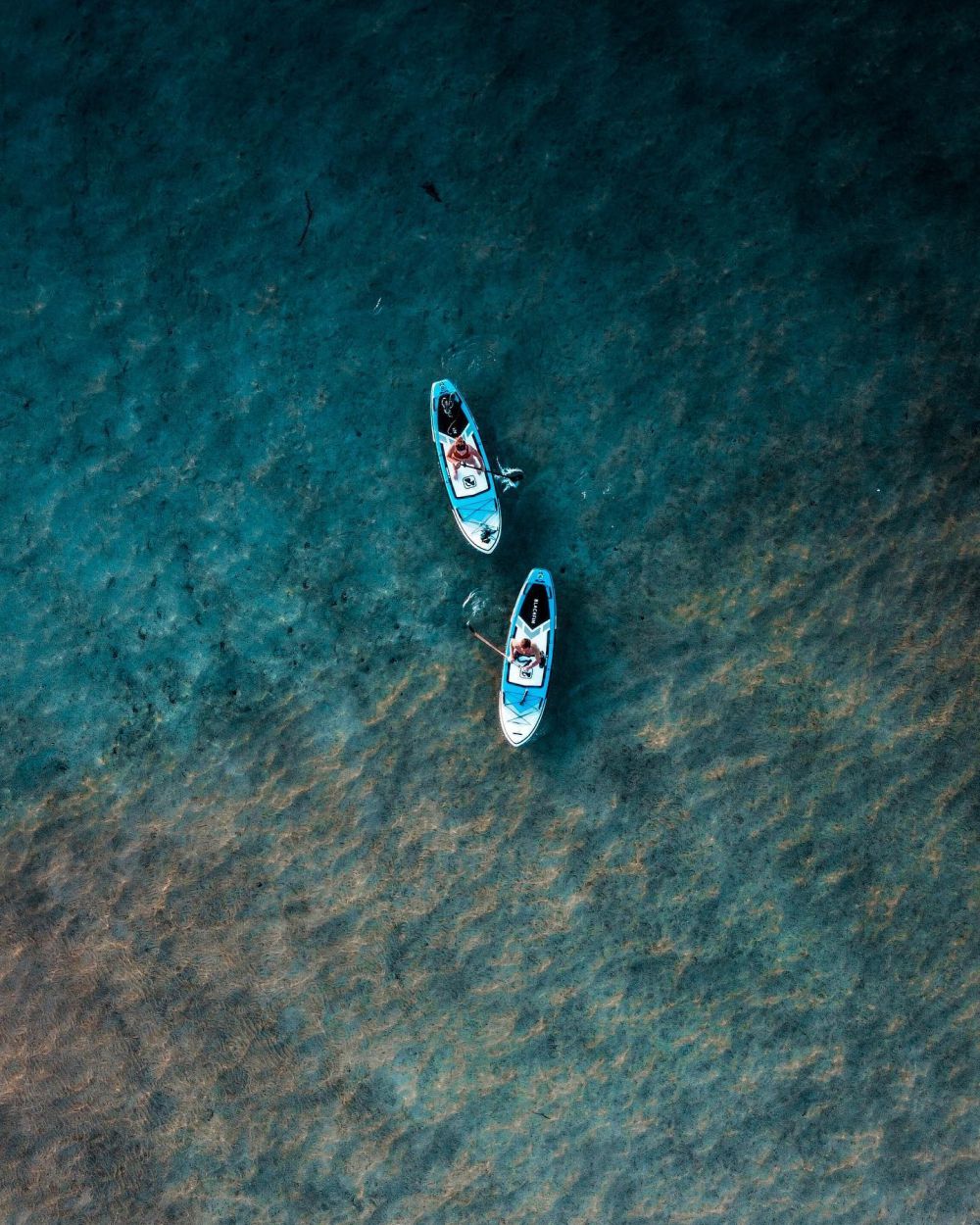
Paddle Boarding Chambly Time!
Paddle board Chambly is more than a sport — it's an experience that connects one with nature, history, and fellow enthusiasts. For those seeking to enhance their paddle boarding journey, iROCKER's range of SUP products offers the perfect blend of quality and innovation. From sleek, inflatable boards to essential accessories, iROCKER ensures that one's time on the water is both enjoyable and memorable.
To discover even more incredible paddle boarding locations and plan your next adventure, download the Blue Adventure app from iROCKER today!

Are you looking for a unique way to experience the stunning scenery and serene lakes of Laurentides? Then paddle boarding may be your next favorite activity. Paddling allows you to glide across calm waters, offering a captivating perspective on the surrounding landscape.
In this guide, we'll delve into the top 10 spots for paddle boarding in the Laurentides. From tranquil lakes to gentle rivers, we'll help you discover the perfect location for your next paddle board Laurentides adventure.
DISCLAIMER: Before traveling to a paddle location, ensure that the location still allows for paddle boarding and make yourself aware of any rules and regulations in place.
1. Lake Provost
Nestled within Quebec, Canada's Laurentides region, Lac Provost boasts a serene escape from the bustling world perfect for paddle boarding. Lush forests surround the lake, its pristine waters reflecting the tranquility of the region. Unsupervised beaches make it a haven for swimmers, kayakers, and paddle surfers.

source: freepik
For a rustic experience near the water, choose spacious campsites like "Pinson Chanteur." Explore nearby trails, including the scenic route to the enchanting Chute aux Rats waterfall. Dip your toes in the cool water and create playful echoes near the little spit of land. Just be prepared for the black fly season in June - lavender or tea tree oil will keep them at bay.
- Travel time: Expect a 1.5-hour drive from Montreal.
- Water type: Lac Provost boasts calm, crystal-clear waters, ideal for beginners and experienced paddlers alike.
- Skills: Whether you're a seasoned paddler or a curious first-timer, Lac Provost caters to all skill levels.
- Launch point: There are several convenient access points for launching your paddle board (Lac Provost Beach, Plage du Domaine Rouge).
- Amenities: Public restrooms and free parking are available at Lac Provost Beach. There are no restaurants located directly on Lac Provost Beach. However, there are dining options available in the surrounding area.
- Cost: Park entrance fees apply, with additional charges for paddle board rentals if needed (around $50 for a full day).
- Unique: Lac Provost is a haven for wildlife sightings. Keep your eyes peeled for nesting loons and playful beavers!
2. Lake Ouimet
Paddle boarding on Lake Ouimet (Lac Ouimet) in the Laurentides offers a unique blend of tranquility and scenic beauty. The lake's geographical features include calm waters, perfect for beginners, with a shoreline boasting rolling hills and lush forests.
For the most captivating experience, plan your Lake Ouimet excursion during the summer months, ideally between June and August. Early mornings or evenings present the ideal time of day, as the lake's surface is like glass, and the temperatures are comfortable.
Lac Ouimet boasts a relatively small population, adding to the peaceful atmosphere. Beyond paddle boarding, the surrounding area offers opportunities for hiking, biking, and wildlife viewing.
- Travel time: The drive from Montreal to Lac Ouimet takes approximately 1 hour and 15 minutes.
- Water type: Lac Ouimet's calm waters provide a smooth paddling experience, perfect for exploring hidden coves and soaking up the natural beauty.
- Skills: This tranquil lake is suitable for paddlers of all experience levels.
- Launch point: Public boat launches are readily available around the lake (like Plage du Lac-Ouimet, Plage municipale d'Oka).
- Amenities: Depending on the launch location, you might find basic amenities like restrooms and picnic areas. Public transportation is limited, so arriving by car is recommended. Consider bringing a picnic basket as there's no food or drinks available.
- Cost: There are usually minimal launch fees or parking charges. Paddle board rentals start from $20 per hour.
- Unique: Lac Ouimet is a treasure trove of hidden islands. Explore these gems and discover secluded beaches for a truly unforgettable adventure.
3. Lake Mercier
Paddle boarding on Lake Mercier (Lac Mercier) in the Laurentides offers a unique blend of tranquility and scenic beauty.

source: freepik
Lac Mercier boasts a relatively small population surrounding it, contributing to its serene atmosphere. Beyond paddle boarding, the area provides opportunities for hiking, biking, and wildlife observation.
- Travel time: Take a scenic 1.5-hour drive from Montreal to reach Lac Mercier.
- Water type: The lake's calm and clear waters offer a tranquil paddling experience, making it ideal for families and leisure paddlers.
- Skills: Beginners and experienced paddlers will find Lac Mercier's calm waters enjoyable.
- Launch point: Public boat launches (like Plage municipale de Lac Mercier) provide easy access to the lake.
- Amenities: Depending on the launch location, you might find basic amenities like restrooms and picnic areas. Free parking is available near the beach, but it can get crowded on weekends and holidays, so be prepared for potential delays. There are no restaurants at the launch point itself. However, you can find a few restaurants in the nearby town of Saint-Sauveur, a short drive away.
- Cost: Minimal launch fees or parking charges. Paddle board rentals start from $18.
- Unique: Lac Mercier boasts breathtaking views of the surrounding mountains. Paddle towards the shore and capture stunning panoramic vistas.
4. Rivière Rouge
The Rouge River, snaking through the Laurentians, offers a picturesque playground for paddle board Laurentides enthusiasts. Framed by rolling hills and dense forests, the waterway winds its way through a landscape teeming with natural beauty.
Paddle boarding on the Rouge River is particularly idyllic during the summer months (June to August) when the water is calm and the surrounding wilderness bursts with life. Populated with friendly locals and fellow outdoor enthusiasts, the Rouge River fosters a welcoming atmosphere.
Beyond paddle boarding in the Laurentians, the region boasts excellent hiking and biking trails, while historical sites and local art galleries offer a taste of the Laurentians' rich culture.
- Travel time: The drive from Montreal to Rivière Rouge takes approximately 1 hour and 45 minutes.
- Water type: The Rivière Rouge features flowing currents, ideal for experienced paddlers who enjoy a bit of an adrenaline rush.
- Skills: Best suited for confident paddlers with experience navigating currents.
- Launch point: Several public access points (Lac Tremblant, Plage municipale d'Abercrombie, Parc national du Mont-Tremblant) are available along the river. Be sure to research the specific section you'd like to explore for launch details.
- Amenities: Parking varies; free at Lac Tremblant and Plage d'Abercrombie, permit required in the park. Washrooms are not available at all launches, public ones near Plage d'Abercrombie.
- Cost: Public access points are usually free. Paddle board rentals range from $20 to $40.
- Unique: Paddle through towering cliffs and lush forests, encountering cascading waterfalls and historical sites along the way.
5. Rivière Du Diable
Paddle boarding on the Rivière du Diable, nestled deep within the Laurentians, offers a unique experience. The river winds through a secluded valley, its banks carpeted with dense forests and punctuated by dramatic rock faces. Paddling upstream, you'll encounter small waterfalls and calm stretches perfect for observing the abundant wildlife.
- Travel time: The drive from Montreal to Rivière du Diable takes approximately 1 hour and 30 minutes.
- Water type: The Rivière du Diable boasts calm stretches with occasional gentle currents, suitable for paddlers of varying experience levels.
- Skills: Beginners with some basic instruction and experienced paddlers alike will enjoy this route.
- Launch point: Public boat launches are available at various points along the river (for example, Lac du Diable Public Beach).
- Amenities: Free parking is available close to the beach. There are no restaurants or restrooms located at the launch site.
- Cost: Public access points are usually free to use. Paddle board rentals can be obtained for a separate fee from local outfitters, starting from $75 (full day).
- Unique: The Rivière du Diable carves its path through a spectacular canyon. Paddle through towering rock faces and immerse yourself in the beauty of the Laurentian wilderness.

source: unsplash
6. Lake Tremblant
Paddle board Laurentides on Lac Tremblant, nestled amidst the Laurentians' majestic mountains, provides a unique scenic beauty. Imagine gliding across the crystal-clear waters, surrounded by towering peaks and lush forests.
The ideal time for paddle boarding in Lake Tremblant is during the summer months, from June to September when the weather is warm and sunny. Lac Tremblant boasts a relatively small population, creating a peaceful atmosphere.
Beyond paddle boarding, explore hiking and biking trails, or visit the charming resort town of Tremblant for a touch of après-paddle.
- Travel time: Enjoy a scenic 1.5-hour drive from Montreal to reach Lac Tremblant.
- Water type: Lac Tremblant boasts calm and clear waters, making it ideal for a relaxing paddle boarding experience.
- Skills: This lake is perfect for beginners and families due to its calm and sheltered waters.
- Launch point: Public boat launches and rental shops are readily available around Lac Tremblant (Lac Tremblant, Domaine Saint-Bernard, Marina Tremblant).
- Amenities: Depending on the launch location, you'll likely find a variety of amenities, including restrooms, picnic areas, and potentially restaurants. Changing rooms are only offered at Marina Tremblant (with a fee). Lessons can be offered by some outfitters operating in the area.
- Cost: There are usually minimal launch fees or parking charges. Paddle board rentals can be obtained for $32 (1 hour) and $50 (2 hours).
- Unique: Paddle towards Mont-Tremblant and capture breathtaking views of the iconic mountain resort. Enjoy the vibrant atmosphere and various activities around the lake.
7. Lac Des Sables
Ideal for paddle board Laurentides adventures, Lac Des Sables in the Laurentians boasts stunning scenery. The lake's geography, with its rolling hills and island-speckled waters, offers a visually captivating route for exploration.
Paddle board during the calm summer mornings (June to August) for the most idyllic experience. Lac Des Sables attracts a moderate number of visitors, creating a perfect balance between social atmosphere and peaceful escape.
Beyond paddle board Laurentides, kayaking and canoeing are popular activities on the lake. Hikers can explore nearby trails, and cyclists can enjoy scenic rides along the lake's perimeter. Remember to check for any restrictions on motorized watercraft before your visit.
- Travel time: The drive from Montreal to Lac Des Sables takes approximately 1 hour and 15 minutes.
- Water type: The lake generally has calm waters, making it suitable for paddlers of all experience levels.
- Skills: Beginners and experienced paddlers alike can enjoy the tranquility of Lac Des Sables.
- Launch point: Lac Des Sables Beach offers public easy access with ample parking, ideal for beginners.
- Amenities: Due to its popularity, Lac Des Sables offers a variety of amenities near launch points, including restrooms, picnic areas, restaurants, and potentially shops. Free public parking available at the beach.
- Cost: There are usually minimal launch fees or parking charges. Paddle board rentals are usually $25-$40 for an hour.
- Unique: Paddle towards the heart of the action and enjoy the vibrant atmosphere around Lac Des Sables. Observe sailboats, kayaks, and fellow paddle boarders, or explore the charming villages and shops lining the shore.
8. Lac Masson
Lac Masson in the Laurentides is a picturesque destination for paddle boarding Laurentides. Surrounded by rolling hills and dense forests, the lake's calm waters provide a serene escape for paddlers of all skill levels. The surrounding area boasts a small population, ensuring a tranquil experience on the water.

source: freepik
For the most favorable conditions, plan your trip between June and September during the early morning hours when the lake is at its most glassy.
Besides paddle boarding, Lac Masson offers opportunities for hiking, biking, and swimming, making it a perfect location for a day trip or weekend getaway.
- Travel time: Take a relaxing 1-hour drive from Montreal to reach Lac Masson.
- Water type: Lac Masson boasts vast areas of calm waters, ideal for leisurely paddling and exploring hidden coves.
- Skills: Perfect for beginners and paddlers of all experience levels due to its calm and sheltered areas.
- Launch point: Public boat launches are scattered around Lac Masson (Lac Masson Beach, Plage municipale de Saint-Hippolyte, and Marina Plage Nord), offering access to different sections of the lake.
- Amenities: Amenities vary depending on the launch location. Public restrooms are available at some launch points, but not all. Designated picnic areas are available at some launch sites. Be sure to pack out all trash.
- Cost: Public access points are usually free to use. Paddle board rentals range from $20 to $40.
- Unique: Explore the hidden coves and islands scattered across Lac Masson. You might even encounter charming villages bordering the lake, offering a glimpse into Laurentian life.
9. Lac Saint-joseph
Lac Saint-Joseph in the Laurentides is a hidden gem for paddle boarding. Nestled amidst calm waters, the lake's geography caters to both experienced paddlers and those just starting out. To truly soak in the scenery, aim for a summer excursion (June to August).
Consider early mornings or evenings for a peaceful experience, as Lac Saint-Joseph maintains a small, friendly community. The area boasts numerous trails perfect for hiking or biking.
- Travel time: Take a scenic 1.5-hour drive from Montreal to reach Lac Saint-Joseph.
- Water type: Lac Saint-Joseph boasts generally calm and clear waters, perfect for a peaceful paddle boarding experience.
- Skills: Suitable for paddlers of all experience levels due to its calm and sheltered nature.
- Launch point: Lac Saint-Joseph Beach’s public access point with ample parking and nearby restrooms.
- Amenities: Free parking at Lac Saint-Joseph Beach. Seasonal restrooms at Lac Saint-Joseph Beach. No SUP rentals (however, rentals are available nearby).
- Cost: Public access points are usually free to use. Paddle board rentals might require contacting local outfitters beforehand, around $55 for a full day.
- Unique: Lac Saint-Joseph offers a true escape into nature. Paddle across the tranquil waters and enjoy the breathtaking mountain scenery.
10. Lac Des Plages
Lac Des Plages, nestled within the Laurentians, is a haven for paddle board lovers. Picture yourself paddling effortlessly on the lake's mirror-like surface, enveloped by breathtaking geographical features – rolling hills and verdant forests.
To maximize your enjoyment, aim for paddle boarding between June and September, during the early morning or evening hours when the water is most tranquil.
The surrounding area is characterized by a small, peaceful population, ideal for a serene escape. Following your paddle boarding adventure, consider exploring the nearby hiking trails or visiting the quaint towns.
- Travel time: Enjoy a convenient 1-hour drive from Montreal to reach Lac Des Plages.
- Water type: Lac Des Plages boasts generally calm waters, making it ideal for a relaxing paddle boarding experience.
- Skills: Perfect for beginners and families due to its sheltered nature and calm waters.
- Launch point: Lac Des Plages offers a public beach for launching your paddle board.
- Amenities: Due to the lake's popularity, you'll find a variety of amenities near launch points, including restrooms, picnic areas, and potentially restaurants.
- Cost: There are usually minimal launch fees or parking charges. Paddle board rentals can be obtained for about $20 per hour.
- Unique: Take a break from paddling and relax on one of the many sandy beaches that dot the shores of Lac Des Plages. Enjoy the lively atmosphere and perfect spot for a family outing.
Start Your Paddle Boarding Adventures with iROCKER
Your paddle board Laurentides adventure awaits! We've explored the top 10 spots for tranquility or thrills, from glassy lakes to dynamic rivers. But the journey doesn't stop here.
Download the Blue Adventures app by iROCKER SUP to unlock a treasure trove of paddle board locations across the Laurentides. The app simplifies your exploration by offering a curated list of Laurentides paddle board locations. Find detailed descriptions, difficulty ratings, and insights from fellow paddlers, all at your fingertips.
So, pack your paddle, download the app, grab your paddle boards from iROCKER, and discover the magic of the Laurentians from a whole new vantage point!

Ottawa boasts a network of waterways perfect for exploring on a stand-up paddle board. Whether you're a seasoned paddler seeking a scenic journey or a curious beginner looking for a calming introduction to the sport, this guide to paddle boarding Ottawa offers 22 fantastic destinations.
From tranquil lakes ideal for leisurely glides to sections of the Ottawa River showcasing the city's iconic landmarks, this list caters to a range of preferences and skill levels. So, grab your paddle and sunscreen, and get ready to discover the beauty of Ottawa from a unique perspective.
DISCLAIMER: Before traveling to a paddle location, ensure that the location still allows for paddle boarding and make yourself aware of any rules and regulations in place.
1. Lac Meech
Lac Meech, located in Gatineau Park, Quebec, offers a beautiful and serene setting for paddle boarding Ottawa. Breathe in the fresh air and admire th
To avoid crowds and ensure the calmest water, consider a sunrise or early morning paddle. While motorized boats are rare, keep an eye out for fellow paddlers and kayaks.

source: freepik
After your paddle boarding Ottawa at Lac Meech, explore the nearby trails or enjoy a picnic on the shore. Lac Meech provides a wonderful escape from the city, perfect for a day trip or a relaxing afternoon.
- Travel time: 30 minutes from downtown Ottawa.
- Water type: Protected lake with calm waters, ideal for intermediate paddlers.
- Skills: Some experience is recommended due to occasional winds.
- Launch point: Beach area at Lac Meech.
- Amenities: Washrooms, parking (fee may apply), picnic areas, beach volleyball courts.
- Costs: Paddle board rentals typically range from $20-$25 per hour.
- Unique: Lac Meech offers diverse wildlife sightings. Keep an eye out for beavers, turtles, and various bird species.
2. Manotick
Paddle boarding Ottawa at Manotick offers a delightful exploration of this, a quaint village settled alongside the Rideau River. With a population of around 4,000 residents, Manotick exudes a peaceful atmosphere. Here you can wind through scenic geography with lush forests and towering cliffs.
For the most enjoyable paddle boarding experience, aim for the summer months, specifically between June and August. Early mornings or evenings are ideal when the water is usually calmer, and temperatures are more pleasant.
Beyond paddle boarding, Manotick offers a variety of activities. Explore the charming shops and restaurants lining the streets, or take a historical detour to the Merrickville Lock Station.
- Travel time: 20 minutes from downtown Ottawa.
- Water type: Calm waters of the Rideau River in Manotick are a great way to spend a relaxing afternoon.
- Skills: Beginner-friendly. Great for paddling with friends and family.
- Launch point: Public boat launch at Manotick Marina.
- Amenities: Washrooms, parking (fee may apply), and picnic areas are nearby.
- Costs: Paddle board rentals typically range from $15-$20 per hour.
- Unique: Manotick offers a charming small-town vibe. Explore historic buildings and grab a bite to eat after your paddle.
3. Lac Leamy
Lac Leamy, located just west of downtown Ottawa, is a popular spot for paddle boarding, kayaking, and canoeing. With a population of around 4,000 residents, Manotick exudes a peaceful atmosphere. Here you can wind through scenic geography with lush forests and towering cliffs.

source: freepik
For the smoothest paddling experience, aim for early mornings or evenings on weekdays, especially during the summer months (June to August) when the weather is warm and sunny.
Be aware that Lac Leamy is a popular spot, so expect more people on the water on weekends and during peak hours.
- Travel time: 10 minutes from downtown Ottawa.
- Water type: Mostly calm lake water with occasional wakes from motorized boats.
- Skills: Suitable for intermediate paddlers who are comfortable with some navigation.
- Launch point: Marina moored near the Canadian Museum of Nature.
- Amenities: Washrooms, parking (fee may apply), restaurants nearby.
- Costs: Paddle board rentals typically range from $18-$23 per hour.
- Unique: Paddle board Ottawa at Lac Leamy lets you experience Ottawa's natural beauty against the backdrop of its iconic Parliament buildings. Consider exploring the nearby trails or visiting the Canadian Museum of Nature for a well-rounded day trip.
4. Lac Saint-Pierre
Lac Saint-Pierre, located west of Montreal rather than Ottawa, wouldn't be the most ideal destination for an Ottawa paddle board in Canada's capital. Ottawa itself boasts numerous scenic waterways better suited for the activity, such as the Rideau Canal or Dow's Lake. These spots offer calmer waters, making for a more relaxing paddle boarding experience.
For those interested in paddle boarding in Lac Saint-Pierre, the best time to visit is during the summer months, ideally between June and August. Early mornings or evenings tend to be calmer and offer the most pleasant paddling conditions.
If you're set on exploring Lac Saint-Pierre, it's best to do some further research on accessibility and water conditions, as it's a much larger lake with different considerations compared to Ottawa's urban waterways.
- Travel time: 1 hour from downtown Ottawa.
- Water type: Vast lake with variable conditions, suitable for advanced paddlers.
- Skills: Advanced paddling skills and a strong understanding of water safety are crucial.
- Launch point: Public boat launch in Saint-Pierre-de-Lac.
- Amenities: Limited amenities available. Be sure to pack essentials. Paddle board rentals and lessons are readily available at various locations throughout the city.
- Costs: Paddle board rentals typically range from $25-$30 per hour.
- Unique: Lac Saint-Pierre offers an unparalleled paddling experience on a grand scale. Witness the vastness and power of nature.
5. Calabogie Lake
Calabogie Lake, located north of Ottawa, is a popular paddle boarding Ottawa activity. The lake is surrounded by forests and offers stunning views of the Canadian Shield. Crystal-clear waters reflect the beauty of the surrounding Ottawa Valley hills, making for a picturesque backdrop to a Calabogie Lake adventure.
source: freepik
While the population around the lake is sparse, you might encounter fellow paddlers, especially on sunny days. After your paddle board Ottawa experience, consider exploring the nearby hiking trails or Calabogie Peaks Resort for some downhill thrills.
- Travel time: 1.5 hours from downtown Ottawa.
- Water type: Large lake with a mix of calm coves and open water areas.
- Skills: Suitable for all skill levels depending on the chosen paddling route.
- Launch point: Several public boat launches are available around the lake.
- Amenities: Varied amenities depending on the launch location. Some offer washrooms, parking (fee may apply), and camping facilities.
- Costs: Paddle board rentals typically range from $20-$25 per hour.
- Unique: Calabogie Lake provides a complete escape from the city. Enjoy the peacefulness of nature and explore hidden coves.
6. Mississippi Lake
Paddle boarding Ottawa isn't complete without exploring Mississippi Lake. This scenic lake boasts numerous islands and peninsulas, creating a protected environment for calm paddling adventures. Surrounded by lush forests and charming cottages, the lake offers a true escape from the city.
For the most enjoyable paddle board Ottawa at Mississippi Lake experience, plan your trip during the summer months, ideally between June and August. Early mornings or evenings present the calmest waters and the most breathtaking sunrises and sunsets.
If you're looking for some post-paddle activity, venture into the town of Carleton Place for a delicious meal or explore the nearby Mississippi Lake Provincial Park for hiking and camping opportunities.
- Travel time: 30 minutes by car
- Water type: Calm and sheltered inland lake
- Skills: Beginner to intermediate
- Launch point: Public boat launch at MacSkimming Landing
- Amenities: Parking, picnic area
- Cost: Free to launch, SUP rentals available nearby
- Unique: Offers stunning views of the Canadian Shield, with plenty of islands to discover. After your paddle, consider exploring the town or enjoying a picnic on the shore.
7. Petrie Island
Petrie Island is a perfect spot for paddle boarding Ottawa enthusiasts. The island itself is geographically unique, featuring a long, narrow spit of land that juts out into the Ottawa River. This creates stunning views of the city skyline and surrounding Canadian Parliament buildings.

source: freepik
For the smoothest water conditions, aim for early mornings or evenings in the summer months (June to August). The island is relatively unpopulated, creating a tranquil atmosphere.
After your paddle, explore the island's trails or enjoy a picnic on the beach. If you're looking for additional activities, kayaking, canoeing, and birdwatching are all popular options.
- Travel time: 15 minutes east of downtown Ottawa
- Water type: Calm sheltered bay or open water on the Ottawa River
- Skills: Beginner to intermediate (depending on chosen area)
- Launch point: Several public beaches on the island
- Amenities: Washrooms, picnic areas, beach volleyball courts
- Cost: Free to launch, paddle board rentals available ($15-$20/hour)
- Unique: Paddle alongside historical sites like the Rideau Canal Locks and witness stunning sunrises over the Ottawa River.
8. Lac La Pêche
Lac La Pêche in Gatineau Park, just outside Ottawa, is a popular paddle boarding Ottawa destination for paddler enthusiasts. The lake's geography offers a scenic paddling experience.
For the most enjoyable experience, plan your paddle boarding trip for the calm waters of summer (June to August). Early mornings or evenings are ideal for avoiding crowds and basking in the golden light reflecting on the lake's surface. The area surrounding Lac La Pêche is sparsely populated, allowing you to truly commune with nature.
- Travel time: 1 hour northwest of downtown Ottawa
- Water type: Large freshwater lake with some protected bays and open water
- Skills: Intermediate to advanced (depending on chosen route)
- Launch point: Several public boat launches around the lake
- Amenities: Parking lots, some public beaches may have washrooms
- Cost: Free to launch your own board. Paddle board rentals are available at some locations
- Unique: Explore hidden coves, discover historical landmarks like the old Chelsea dam, and witness a diverse range of birdlife. Numerous small islands dot the lake, providing rest stops for a refreshing swim.
9. Algonquin Provincial Park
Paddle boarding in Algonquin Provincial Park, located about 2.5 hours west of Ottawa, offers a unique way to explore a vast and beautiful wilderness. The park encompasses over 7,600 square kilometres of lakes, rivers, and forests, providing a stunning backdrop for your paddle boarding Ottawa adventure.

source: freepik
For the calmest water, aim for early mornings or evenings during the summer months (June to August). Algonquin also boasts a relatively small population, ensuring a peaceful and serene atmosphere on the water.
After your paddle, consider exploring the park's hiking trails or camping grounds to extend your Algonquin experience.
- Travel time: 3-hour drive west of Ottawa
- Water type: Varied - calm lakes, scenic rivers with some rapids
- Skills: Intermediate to advanced (proper planning and safety knowledge required)
- Launch point: Various access points throughout the park (permits required)
- Amenities: Park campsites, some with boat launches and washrooms
- Cost: Park entry permit required, camping fees may apply
- Unique: Paddle through pristine wilderness, encounter diverse wildlife, and camp under a blanket of stars.
10. Rideau Canal
Paddle boarding Ottawa at Rideau Canal offers a unique blend of urban exploration and natural beauty. The 202-kilometer waterway winds its way through Ottawa's downtown core, providing paddlers with stunning views of Parliament Hill, the Fairmont Château Laurier, and other iconic landmarks.
The best time to paddle here is during the summer months (June to August) when the weather is warm and sunny. Early mornings or evenings offer the most pleasant paddling conditions, avoiding the heat of the midday sun and the crowds that tend to gather later in the day.
While paddle boarding is the main attraction, you can also enjoy cycling, walking, and inline skating along the canal's scenic pathways.
- Travel time: Runs through downtown Ottawa.
- Water type: Calm canal with slow-moving current.
- Skills: Beginner-friendly (be aware of boat traffic).
- Launch point: Several spots along the canal, including Dow's Lake and Dows Lake Pavilion.
- Amenities: Washrooms, restaurants, cafes, and car rentals nearby.
- Cost: Free to launch at public access points.
- Unique: Paddle board Ottawa on the canal and discover hidden coves, serene stretches of open water, and bustling urban areas.
11. Mooney's Bay
Mooney's Bay, a large, sheltered area of Ottawa's Rideau River, is a prime paddle boarding Ottawa destination for enthusiasts. Backdropped by the vibrant green spaces of Mooney's Bay Park, a paddle upstream reveals stunning views of the Ottawa cityscape.

source: unsplash
For the most comfortable experience, plan your paddle board outing during the summer months (June to August) on weekdays or early mornings, as the bay can get crowded with beachgoers and swimmers in the afternoons.
- Travel time: 15-minute drive from downtown Ottawa
- Water type: Calm, sheltered bay
- Skills: The bay's calm waters are ideal for beginners looking to find their balance on a paddle board and offer scenic beauty for seasoned paddlers.
- Launch point: Public beach with ample parking
- Amenities: Washrooms, concession stands, boat rentals (including paddle board rentals Ottawa), SUP lessons offered nearby
- Costs: Free to access the beach. Rentals typically range from $15-$20 per hour
- Unique: It offers a vibrant atmosphere, with beach volleyball courts, a splash pad, and easy access to restaurants.
12. Lac Philippe
Paddle boarding Ottawa, especially at Lac Philippe is a perfect way to experience the natural beauty of the Gatineau Hills. The lake's geographical features include hidden coves, inlets teeming with wildlife, and a central island.
For the most scenic beauty, plan your paddle boarding Ottawa at Lac Philippe adventure during the summer months (June to August). Early mornings or evenings offer stunning sunrises and sunsets, while midday provides calm waters. Lac Philippe is a popular spot, so expect more people on weekends.
Beyond paddle boarding, other activities around Lac Philippe include kayaking, canoeing, and swimming.
- Travel time: 30-minute drive from downtown Ottawa
- Water type: Calm lake with some sheltered coves.
- Skills: Lac Philippe boasts a calm and sheltered environment, ideal for beginners and seasoned paddlers alike.
- Launch point: Public boat launch with limited parking (consider carpooling).
- Amenities: Limited amenities, portable washrooms may be available.
- Costs: Free public access, some nearby outfitters offer stand up paddle board rentals.
- Unique: Tranquil setting with opportunities for wildlife viewing and spotting turtles along the shoreline.
13. Lac Vert, Lac St-Marie
Lac Vert and Lac Saint-Marie, located near Ottawa in Quebec's Outaouais region, offer a delightful escape for paddle boarding Ottawa. Lac Vert's charm lies in its seclusion, surrounded by verdant forests. Lac Saint-Marie, in contrast, boasts scenic vistas of rolling hills bordering the calm waters.

source: freepik
For a truly tranquil experience, plan your visit during the summer months (June to August) on calm mornings or evenings when there are fewer people on the water. The lakes are sparsely populated, adding to the peaceful atmosphere.
After your paddle boarding adventure, consider exploring the nearby trails or enjoying a picnic on the shore.
- Travel time: 45-minute drive from downtown Ottawa
- Water type: Varied, with some open stretches and protected coves
- Skills: Both lakes are ideal for paddlers of all experience levels due to their generally calm conditions.
- Launch point: Public boat launch at Lac Vert
- Amenities: Porta-potties at the launch site, otherwise limited
- Costs: Free public access, some nearby outfitters offer paddle board rentals.
- Unique: Offers a multi-lake paddling adventure with opportunities to spot beaver dams and a variety of fish species.
14. Britannia Beach
Britannia Beach offers a delightful setting for paddle boarding Ottawa. Scenic limestone cliffs border the shoreline, providing a picturesque backdrop as you explore the water.
For the best conditions, aim for calmer mornings or evenings during the summer months, from June to August. Britannia Beach is a popular spot, so expect moderate crowds.
- Travel time: 15-minute drive from downtown Ottawa
- Water type: Slow-moving section of the Ottawa River with some current
- Skills: Beginner to intermediate (be aware of current conditions)
- Launch point: Public beach with ample parking
- Amenities: Washrooms, concession stands, nearby shops, and sometimes Ottawa paddle board rentals at Britannia beach available.
- Costs: Free to access the beach; rentals may vary depending on the provider.
- Unique: Offers a scenic paddle with a historical backdrop and the possibility of spotting landmarks like the Canadian War Museum. If you're looking for a post-paddle activity, there are beach volleyball courts and a children's playground nearby.
15. Lac Echo
Lac Echo, located within Quebec's Papineau-Labelle wildlife sanctuary, is a haven for tranquility and boasts ideal conditions for paddle boarding Ottawa. Surrounded by stunning scenery and nestled amidst the Gatineau Hills, Lac Echo offers a true escape into nature.
For the most enjoyable paddle boarding experience, plan your visit during the summer months, ideally between June and August.
Keep in mind that since Lac Echo is within a wildlife sanctuary, there are no official boat launches. Camping is an option here, with some campsites even accessible by paddle board for the adventurous paddler.
- Travel time: 1-hour drive from downtown Ottawa.
- Water type: Large lake with calm bays and open water sections (check wind conditions).
- Skills: All levels (choose paddling route based on experience).
- Launch point: Several public boat launches around the lake.
- Amenities: Varied depending on launch location, some may have washrooms.
- Costs: Free public access for launching, some resorts offer paddle board rentals.
- Unique: Offers diverse paddling experiences, from exploring hidden coves to venturing out into the open water for breathtaking views.
16. Bobs Lake
Paddle boarding on Ottawa's Bobs Lake is a fantastic way to experience its natural beauty. Scenic highlights include Bald Island with its nesting eagles and the Narrows, a picturesque channel between two points of land.

source: freepik
For the smoothest paddling conditions, aim for early mornings or evenings in summer (June to August) when winds are typically calmer. Bobs Lake is a relatively quiet lake with a sparse population, adding to its tranquility.
After your paddle, you can consider picnicking on one of the islands or exploring the nearby historic sites and charming towns.
- Travel time: 1.5 hours from downtown Ottawa.
- Water type: Calm freshwater lake.
- Skills: Beginner-friendly.
- Launch point: Carleton University Boathouse & Mooney's Bay Park.
- Amenities: Parking, picnic area, and washrooms are available at both launch sites.
- Costs: Free to launch, boat rentals available.
- Unique: It offers a variety of coves and islands to explore, which is perfect for a leisurely paddle with stunning scenery.
17. Port de Plaisance Jacques-Cartier
Paddle boarding Ottawa at Port de Plaisance Jacques-Cartier offers a unique perspective of the city from the water. Paddle past scenic beauty like Parliament Hill and the Canadian War Museum, all while enjoying the city skyline.
The best time for paddle boarding at Port de Plaisance Jacques-Cartier is during the summer months, from June to September, on calm mornings or evenings to avoid crowds.
With a population of over 900,000, Ottawa can get busy, so planning your paddle ahead of time is recommended.
- Travel time: 15 minutes west of downtown Ottawa (across the Ottawa River)
- Water type: Protected harbor on the Ottawa River
- Skills: Intermediate to experienced (can be busy with motorized traffic)
- Launch point: Public boat launch at the marina
- Amenities: Full marina facilities with restaurants and washrooms
- Costs: Paid parking and paddle board rentals are available at the marina.
- Unique: Paddle alongside iconic landmarks and enjoy vibrant city life.
18. White lake
Ottawa's White Lake, located roughly an hour west of the city center, is a picturesque spot ideal for paddle boarding enthusiasts. Surrounded by dense forests and boasting clear waters, the lake's geography creates a tranquil environment for paddling.

source: freepik
To truly soak up the tranquility at White lake, consider paddle boarding during the shoulder seasons (spring or fall) when the crowds are smaller. Weekdays and early mornings are ideal for the most serene experience.
- Travel time: 1 hour west of downtown Ottawa
- Water type: Pristine, spring-fed lake with clear waters.
- Skills: Beginner to experienced.
- Launch point: Public boat launch on Burnstown Road.
- Amenities: There are limited amenities nearby. While White Lake itself is a sparsely populated area, the nearby town of Arnprior provides shops and restaurants.
- Costs: Free to launch, paddle board rentals available nearby.
- Unique: The water is exceptionally clear, making it ideal for spotting fish and underwater life. You can explore the historic Waba Cottage Museum and Gardens or visit Robert Simpson Park for a picnic and a swim.
19. Charleston Lake
Paddle boarding Ottawa on Charleston Lake is a perfect way to experience its natural beauty. Paddle boarders can enjoy stunning scenery, including lush green forests, rocky outcrops, and abundant birdlife.
The ideal time for paddle boarding on Charleston Lake is during the summer months, from June to September. Early mornings or evenings offer calmer waters and the most pleasant temperatures. Charleston Lake is a relatively quiet lake with a small population surrounding it.
For those seeking a more active outing, kayaking, canoeing, and swimming are all popular activities on the lake.
- Travel time: 1.7 hours southwest of downtown Ottawa.
- Water type: Large lake with open water sections and protected channels.
- Skills: Intermediate to experienced (be prepared for varying conditions).
- Launch point: Mooney's Bay Park Beach (south end), Brewer Park, and Rideau Canoe Club (seasonal).
- Amenities: Parking and washrooms (available at Mooney's Bay Park and Brewer Park). Concessions are available at Mooney's Bay Park. Limited options at Brewer Park.
- Costs: The launch is free, and paddle board rentals are available nearby. Rideau Canoe Club is a private club with fees, while the other launch points are free public beaches.
- Unique: Explore historical sites and hidden coves along the extensive shoreline.
20. Sharbot Lake
Sharbot Lake, located a short drive from Ottawa, is a picturesque destination ideal for paddle boarding Ottawa. The beauty of the Canadian Shield surrounds you with lush forests, granite cliffs, and sparkling waters.

source: freepik
For the best experience, plan your trip between June and September during the warmer months. Early mornings or evenings offer stunning sunrises and sunsets, making for a truly unforgettable experience.
Sharbot Lake boasts a small, year-round population, adding to its peaceful atmosphere. In addition to paddle boarding, you can enjoy kayaking, canoeing, swimming, or fishing.
- Travel time: 1.5 hours west of downtown Ottawa.
- Water type: Calm and sheltered environment due to its many islands and bays.
- Skills: Suitable for all skill levels.
- Launch point: Public boat launch at Narrows Lock.
- Amenities: Limited amenities nearby. Consider packing refreshments and sunscreen.
- Cost: Free to launch, Ottawa paddle board rentals available nearby (research online for pricing)
- Unique: Explore hidden coves and granite islands and encounter a variety of wildlife, including loons and beavers.
21. Otty Lake
Escape the bustle of Ottawa and head west for a serene paddle boarding Ottawa experience on Otty Lake. The surrounding landscape offers scenic beauty with a mix of forests and open water.
For optimal conditions, plan your trip during the summer months (June to August) when the weather is warm and sunny. Early mornings or evenings tend to be the calmest, offering a tranquil escape on the water.
Otty Lake itself remains relatively uncrowded, but you may encounter some fellow paddlers, swimmers, or fishers enjoying the lake's tranquility.
- Travel time: 45 minutes from downtown Ottawa.
- Water type: Calm freshwater lake.
- Skills: All levels
- Launch point: Public boat launch on Poole Island Road.
- Amenities: Limited amenities nearby. Consider packing snacks and drinks.
- Cost: Free to launch, Ottawa paddle board rentals are available nearby (prices vary).
- Unique: Enjoy a tranquil paddle surrounded by nature, perfect for a relaxing escape from the city. After your paddle, explore the nearby trails or enjoy a picnic on the shore.
22. Gatineau Park
Paddleboarding Ottawa at Gatineau Park offers a unique way to explore the scenic beauty. Gatineau Park, located just a stone's throw from Ottawa's city center with a population of roughly 1 million, encompasses a vast area featuring forests, lakes, and rivers. Paddle across calm lakes with forested shorelines, observing wildlife and enjoying the tranquility of nature.
For the smoothest paddling experience, plan your visit between June and September during calm mornings or evenings to avoid crowds.
- Travel time: 15 minutes from downtown Ottawa
- Water type: Varies (calm lakes, scenic rivers).
- Skills: Intermediate (depending on chosen location).
- Launch point: Multiple launch points depending on the chosen lake or river.
- Amenities: Park facilities include washrooms, picnic areas, and parking.
- Cost: Park entrance fee, Ottawa paddle board rentals available nearby.
- Unique: Paddle by Parliament Hill and experience Ottawa's natural beauty from a different perspective. The park also offers hiking, biking trails, and historical sites to explore
When Is The Best Time to Go Paddle Boarding In Ottawa?
Enjoying Ottawa's beauty from a paddle board is a fantastic experience, but timing is key. The best season for paddle boarding in Ottawa is during the warm summer months, typically between June and September. During this time, you'll encounter pleasant water temperatures and long sunny days, perfect for paddling on the Rideau Canal or exploring calmer lakes.
Meanwhile, spring and fall offer shoulder seasons with decent weather, but be prepared for cooler temperatures and potentially choppier waters. With the right timing and preparation, paddle boarding in Ottawa will be an unforgettable adventure.
Explore Ottawa's Waterways with Confidence
Paddle boarding Ottawa offers a wealth of opportunities for stand-up paddle boarders. From serene lakes to historic waterways, there's a perfect spot for every paddler.
To enhance your exploration and discover hidden gems, consider downloading the Blue Adventures app by iROCKER SUP. This app boasts a community-driven database of paddle boarding locations, providing valuable insights and fostering connections with fellow enthusiasts.
So grab your paddle board, download Blue Adventures, and get ready to discover the beauty of Ottawa from a unique perspective.