

Stories

Are you an outdoor enthusiast seeking a versatile watercraft for your next aquatic adventure? Imagine effortlessly gliding across serene lakes in the morning and navigating through challenging river rapids in the afternoon, all without needing two different vessels. Enter the SUP kayak hybrid - a revolutionary vessel that combines the stability and simplicity of a stand-up paddle board (SUP) with the comfort and control of a kayak. This innovative design is quickly becoming a favorite among adventurous souls worldwide.
What is a SUP Kayak Hybrid?
The SUP kayak hybrid, a true maritime masterpiece, effortlessly merges paddle boarding and kayaking into one. Perfect for wave chasing, tranquil coast cruising, or your fishing adventures, it handles all with ease. Its inflatable version adds convenience to storage and transport. The paddle board kayak hybrid is the passport to your exhilarating water escapades, making your kayak SUP experience truly unparalleled!

The Best SUP Kayak Hybrid for Your Needs
When picking the perfect one, consider its stability, how easy it is to carry around, durability, and your own water skills. Let's explore the top picks for your ultimate water escapade.
iROCKER ALL AROUND 11’ - Best Overall
The iROCKER ALL AROUND 11’ is a fantastic choice for those looking for versatility, stability, and durability. This hybrid is 11 feet long, which gives it excellent stability on the water. Its PVC construction ensures durability, and it inflates to a very firm and stable platform for either SUP or kayak use. Add a kayak seat and paddle blade (sold separately) and you've got a versatile vessel for both activities.

BLACKFIN CX ULTRA™ - Best for Adventure Seekers
Adventure seekers who require more speed and tracking capabilities will find the BLACKFIN CX ULTRA™ to be a top contender. Designed for performance, this model sports a streamlined shape, contributing to faster glide on the water. Its additional D-rings and mounting points allow for extra gear storage, perfect for those planning extended trips or fishing expeditions. This SUP is also compatible with a kayak conversion kit (sold separately), enabling you to switch seamlessly from SUP to kayak mode.
iROCKER CRUISER 10'6" - Best for Beginners
The iROCKER CRUISER 10'6" is perfect for those just starting their paddling journey. It provides exceptional stability and a forgiving ride, ideal for novices who are still honing their skills. The 33-inch width and extra large tail of this model create a substantial platform, helping to instill confidence in new paddlers. Moreover, the transition from paddle board to kayak is simple and straightforward.
You can also check out our collection of iROCKER Cruisers to get your favorite one for the next adventure.

iROCKER ALL AROUND 10' - Best for Single Kayak Rider
Ideal for solo paddlers and single kayak riders, the iROCKER ALL AROUND 10' offers an excellent balance of comfort, stability, and maneuverability. The shorter length allows for easier handling, particularly for individuals. It also inflates to a firmness that gives it a similar feeling to hard boards while maintaining the advantages of inflatable SUPs. This SUP is compatible with all the necessary components for a smooth kayak conversion (kayak accessories sold separately), making it a versatile single-rider option.
Benefits Of Owning A SUP Kayak Hybrid
Owning a paddle board kayak hybrid certainly offers a range of benefits, catering to a broad spectrum of needs and interests.
- Versatility: The SUP kayak hybrid's superpower lies in its ability to shape-shift. One minute you're gliding like a swan with your stand-up paddle board (SUP), the next, you're zipping through the waves like a pro with your kayak. This mashup promises a super-charged water sports extravaganza!
- Portability and Storage: This is the epitome of 'adventure-in-a-bag'. They are inflatable, meaning they can be stashed away into the tiniest of corners when deflated. Jet-set to any water destination, and your portable SUP kayak hybrid is always ready for the next splash.
- Suitable for All Skill Levels: No matter where you are on the paddling prowess spectrum - novice or seasoned pro, the SUP kayak hybrid has got you covered. Its stability is a comfort to beginners, while its adventurous spirit promises an adrenaline rush to the thrill-seekers.
- Water-Based Activities: But hey, it's not just about paddling! The SUP kayak hybrid doubles up as your floating yoga mat, or even a platform for sunbathing. It's a versatile, fun way to soak up the water vibes.
- Cross-Training: Ready for a splashy workout? A SUP kayak hybrid engages different muscle groups as you alternate between standing and sitting. The result? An exhilarating full-body workout that boosts strength and endurance, all while you're making waves with your kayak SUP!
How to Convert Your SUP into a Kayak?
Converting your SUP into a kayak is easy breezy. All you need is a kayak seat, which most often straps onto the existing D-rings on your SUP, and a kayak paddle or a SUP paddle with a kayak blade attachment. Just attach the seat according to the manufacturer's instructions, adjust the SUP kayak paddle as required, and you're ready to switch from stand-up paddling to a seated kayaking experience in a matter of minutes.

Can a SUP Kayak Hybrid Be Used in All Types of Water Conditions?
Absolutely! The paddle board kayak hybrid is designed to tackle a variety of water conditions. The kayak element of the hybrid lends itself to cutting through choppier waters and rapids, while the SUP side allows for a calm, serene paddle in quieter waters such as lakes or sheltered bays. Whether you're at the sea, a lake, or a fast-flowing river, this hybrid can handle it all.
Begin Your Water Journey With iROCKER
A SUP kayak hybrid revolutionizes outdoor water activities with unparalleled versatility. Equip yourself with iROCKER's superior inflatable paddle board kayak hybrids, engineered for durability and optimum performance, and life truly is better on the water!

If you’re looking for a great all around paddle boarding experience, inflatable SUPs are often the best pick. They’re super portable, tough, lightweight, and versatile—plus, they’re softer on falls! But if you’re all about speed, SUP racing, or carving waves, solid boards bring the precision and performance to match your passion.
Today we’re diving into the great debate of the paddle boarding world: inflatable vs hard paddle boards. Which SUP board is the king of the lake, the ruler of the river, the sovereign of the sea? Let's splash into the details!
Inflatable vs Hard Paddle Boards: A Quick Comparison
Before diving into the details, here's a quick table of comparison to give you an overview of the key differences between Inflatable and Hard Paddle Boards:
| Feature | Inflatable Paddle Boards | Hard Paddle Boards |
|---|---|---|
| Easy to Transport | ✓ | |
| Compact Storage | ✓ | |
| High Durability Against Impacts | ✓ | |
| Quick Setup (No Inflation Needed) | ✓ | |
| Superior Performance & Speed | ✓ | |
| Ideal for Racing & Surfing | ✓ | |
| Better Glide & Tracking | ✓ | |
| Cost-Effective | ✓ | |
| Softer, More Comfortable Surface | ✓ | |
| Beginner-Friendly | ✓ | |
| Wide Aesthetic Variety | ✓ | |
| Less Affected by External Conditions | ✓ | |
| Travel-Friendly (Airplane, Hiking) | ✓ |
Now, let's dive deeper into the details for a more comprehensive understanding.
Performance Showdown: Which is Better?
With different builds come different performances. They both float, sure, but they each have their strengths and weaknesses, each providing a unique paddle boarding experience.
1. Agility vs Stability
First off, let's talk about agility and stability.
Picture an inflatable board as a giant, playful beach ball. It's light, it's bouncy, and it's totally game for riding waves. Its super forgiving surface is ideal for yoga enthusiasts, laid-back paddlers, or river adventurers who might encounter a few rough patches (aka, rocks) along the way.
Then there's the hard paddle board - the gymnast of the paddle boarding world. These boards are agile, sleek, and master the water with the finesse of an Olympian figure skater.
If you have a need for speed, you're all about performance, or you want to catch some surf, a hard board might just be your ticket to paradise.
2. Durability
Think of it like this: if you had a bending contest between a steel ruler and a plastic one, you know plastic is going to flex and bounce back. That's kind of how inflatable paddle boards work—they’re made of tough, military-grade PVC, so they can handle quite a bit of rough play. Drop it, drag it, or bump it into some rocks? No worries—it’ll just pop back into shape and keep going strong. That makes them super forgiving, especially for kids or first-timers who may struggle a bit more with handling

Hard boards, though, are a different story. Crafted from fiberglass, they need a little more TLC. Knocking one into rocks can leave a ding or scratch, and you might find yourself learning some repair skills along the way! But hey, at least they’re relatively straightforward to fix.
In terms of overall durability and resilience for everyday use, inflatables take the crown. But remember, nothing’s totally indestructible—so try not to go too wild out there!
3. Versatility
Hard boards offer tons of variety in shape, thickness, and design, making them great for specific activities. Whether you’re striking a yoga pose, paddling long distances, or catching waves, there’s a hard stand up paddle board tailored for the job. If you’re serious about SUP surfing, a hard board or a specialized SUP surf board is a solid choice for cutting through waves and staying steady.
Inflatables, while a bit less specialized, are still versatile and great for general paddling, exploring calm waters, or even beginner-level surfing. Just keep in mind that they’re less stable and don’t handle waves quite as well due to their shape and rails—so be ready for a few tumbles if you’re testing them on surf!
4. Portability
When it comes to portability, inflatable paddle boards are total champs. They deflate, roll up, and fit neatly into a backpack, so you can toss one in the backseat, check it on a flight, or even carry it like a hiker’s dream. No roof rack? No problem! Inflatable SUPs make getting around a breeze.
Hard boards, on the other hand, require more of a commitment. You’ll need a roof rack, tie-down straps, and some serious arm power to transport them. But if you’re road-tripping and already have a roof rack, you’re good to go! Just be ready to free up garage, shed, or wall space to store your hard SUP and keep it out of harsh weather when not in use.
5. Storage
Inflatables also win when it comes to storage. In its carry bag, an inflatable SUP can slide into a closet, a small corner, or even under your bed. Perfect if space is tight or if a backyard or garage isn't an option.
For hard boards, you’ll need more room—a garage, basement, or wall space can work well. Just be sure to keep it out of direct sun in the summer and snow in the winter to avoid damage. If you’ve got the space, hard SUPs can make a pretty cool piece of wall art too!
=> Finding out the most suitable sup: Compare sup features
6. Preparation
For hard paddle boards, it doesn’t get much easier—just grab your board, put it in the water, and you’re all set to go. Quick, simple, and no setup required.
Inflatable boards, however, need a bit more work. You’ll have to pump them up before hitting the water, but you can speed things up with an electric pump and let it handle the heavy lifting while you relax. Or, if you’re driving to your paddling spot, consider keeping your board inflated and strapping it to your car’s roof. That way, you skip the setup and get straight to the fun!
The Wallet Test: Cost Comparison
When it comes to price, inflatables generally play nice with your wallet. They're often more budget-friendly, making them perfect for beginners or casual paddlers.
Hard boards, on the other hand, are more of a significant investment, but they deliver impressive performance capabilities that are worth every penny. As the saying goes, "you gotta pay to play!"
Added Features
Last but not least, consider the added features of inflatable paddle boards. They often come with more mounting points for accessories, which can be a major perk if you like to paddle with gear (coolers, fishing rods, or even a speaker for tunes on the water). They are also softer and more comfortable to lay on if you're into SUP yoga or sunbathing.
Inflatable vs Hard Paddle Boards: Choosing What's Best for You
So after all that, are hard or inflatable paddle boards better? Which one reigns supreme in the world of paddle boarding? The answer to both questions is, there’s no ‘one size fits all’ option since your needs are unlike any other. The best paddle board for you is the one that suits your lifestyle, skill level, and goals.
Choose Inflatable Boards if:
- You're a beginner or value portability and durability.
- You like to navigate ponds and lakes in serenity, rather than conquering tough waves.
- You're into SUP yoga, river paddling, fishing, partying in the water.
- You're just a casual cruiser who wants a board that's easy to store and transport.
Inflatable boards ensure portability, stability, and are easier on the wallet.
Choose Hard Boards if:
- You're a seasoned vet who values speed and strong performance.
- You're into SUP racing, surfing, or long-distance touring.
- You live near the sea and love the thrill of paddling.
Hard boards are a reliable medium to satisfy your need for speed.
If it’s tough to consider, you can always rely on a good brand. They have years of experience and are likely to give you an unbiased opinion.

Get the Best Inflatable And Solid Boards at iROCKER
So, which board is calling your name? When it comes to choosing between inflatable vs hard paddle boards, it’s all about finding your perfect match—and iROCKER has you covered. Whether you’re ready to roll up and go or cruise on a sleek hardboard, grab your gear, slather on that sunscreen, and dive into your next adventure with confidence!
FAQ:
How Long Do Inflatable Paddle Boards Last?
The lifespan of an inflatable SUP varies based on quality and usage. With proper care, high-quality boards can last anywhere from 2 to 12 years or more. Cheaper boards may wear out faster, especially with frequent exposure to harsh conditions or heavy use.
Can Inflatable Paddle Boards Be Repaired?
Yes! Inflatable SUPs can often be repaired. Many come with patch kits for small punctures or leaks. More severe damage might require professional repairs, but thanks to advancements in construction, repairs are less commonly needed these days.
Are Inflatable Paddle Boards More Stable?
Generally, yes. Inflatable SUPs with a 5-inch thickness and rounded rails often offer more stability than hardboards, particularly for beginners. However, factors like design, nose shape, and overall construction also influence how stable a board feels.
Can You Surf on an Inflatable SUP?
Absolutely! Inflatable SUPs can be used for surfing, though performance depends on board design and wave conditions. For smaller waves, inflatables can be fun and versatile, but for big waves, hardboards have a performance edge.
Can You Race on an Inflatable SUP?
Yes, many races feature competitors on inflatable SUPs. Hardboards still offer technical speed advantages, but the gap is narrowing. Inflatable SUPs are lightweight and travel-friendly, making them great for racers on the go!

So you've decided to dip your toes into the wonderful world of paddle boarding. Bravo! Do you know where to start? Our ultimate guide will cover how to stand up paddle board for beginners is here to make your first steps, or in this case, strokes, as smooth as possible.
How to Choose Your First Paddle Board
Picking out your very first paddle board is like finding a soulmate—it'll be there with you through ups and downs, or in this case, falls and flips. Size, weight, stability, materials, and a few more factors matter. We'll unravel some stand up paddle board tips and tricks on how to your perfect board match, so you'll be ready to ride some waves.
1. Size & Weight
It's like picking the perfect pair of shoes—you want something that fits you just right in terms of size and weight. The thicker the board is, the more capable it is of handling more weight. To determine how much volume you need, multiply your weight by 1.1 to 1.4. For instance, choose a board with a volume of around 70 liters if your weight is 154 pounds (about 70 kg). This keeps the board afloat and manageable.
Some boards can even hold multiple riders and/or pets, fishing gear, camping gear, and such. But in return, they might be a little too heavy to carry around. The key is to aim for a board that's not too heavy to carry but still has enough size and stability to fit your needs.
The paddle board height and length are also equally important. To get the appropriate length, add 9 to 10 inches to your height. For instance, look for a board between 81 and 82 inches long if you are 6 feet tall. The board length and width depend on your usage purposes. Specifically, for yoga or recreational paddling, get a board that is 10–12 feet long and 31–34 inches wide. Choose a board that is less than 10 feet long for surfing. If you want to go touring or racing, buy a board longer than 12 feet.
Since you're new to learning how to paddle board, it's better to focus more on stability to keep you from taking an unplanned dip.

2. Stability
As a beginner, you want a board that forgives a wobble or two. Look for something wide and sturdy—it'll be your best buddy in those early days.
For most adults, a paddle board that is 10 to 12 feet long can offer maximum stability. For beginners, boards between 30 and 34 inches wide are ideal since they provide more stability. Furthermore, all-around recreational boards are adaptable and provide a steady experience for different activities.
If you can't tell by the look and the specs, most websites have either "stability" or "speed" listed. "Speed" boards tend to be slim and pointy, more appropriate for experienced paddlers.
3. Material
The next decision on your plate is material. Solid or inflatable? Solid boards offer superb performance and longevity. Inflatable paddle boards, on the other hand, are portable and easy to store. Weigh your needs and decide which suits you best for your how-to paddle board journey.
4. Price
Paddle board prices can start around $200 up to around $3,000. But you're not splashing out on the latest Gucci handbag here. Choose a board that won't break the bank but still offers quality. We're making a lifetime investment.
5. Brand
Industry-leading brands are the go-to choice for many reasons, but the main reason is that they've got the experience and the reviews to back up their products.
One notable brand is iROCKER, which specializes in robust inflatable paddle boards catered for paddlers of all skill levels. iROCKER boards are made from triple-layer military-grade PVC and have a high market rating for their high functionality. Lightweight paddlers will love their ALL AROUND 10' ULTRA™ 2.0 from the iROCKER ULTRA™ series while their CRUISER 10'6" ULTRA 2.0 is best suited for beginners and families.
Stick with the tried-and-true brands, and you can't go wrong on your way to learning how to paddle board.

Things to Prepare Before SUPing
To help you navigate your inaugural paddle boarding excursion with confidence, we've compiled a comprehensive list of first time paddle boarding tips and essential gear.
1. Stand up paddle board
Stand up paddle board is the foundation of your SUP experience before taking any lessons regarding how to stand on a paddle board. As a beginner, start by renting or borrowing a board to get a feel for the sport. Once hooked, consider investing in your board, tailored to your weight, skill level, and intended use. Different boards excel at various disciplines, such as recreational paddling, surfing, touring, racing, and SUP yoga. Don't worry; SUP store staff can guide you in choosing the right board for your needs.
2. Paddle
A SUP paddle is an essential piece of equipment for anyone who is seeking methods on how to paddle a stand-up paddle board. It is designed with a teardrop-shaped blade angled forward for efficient paddling. If you get the right paddle boarding tips, the correct paddle length should reach your wrist when you stand the paddle in front of you with your arm raised above your head. Therefore, proper paddle sizing and handling can significantly improve your paddling experience.
3. PFD (Personal Flotation Device)
The U.S. Coast Guard classifies stand-up paddle boards as vessels, so if you're learning how to paddle board outside a designated surf or swimming area, you must have a Personal Flotation Device (PFD) on board. While adults don't necessarily have to wear the PFD, children must adhere to age requirements set by your state's regulations. Choosing the proper PFD for your needs is crucial for safety.
4. Safety whistle and light
In addition to a PFD, the Coast Guard requires a safety whistle to warn other boaters of your presence. If you plan on being out practicing how to paddle board sessions after sunset, ensure you have a light on board for visibility.
5. Proper clothing
During warm summers, most paddlers opt for swimsuits, board shorts, and short—or long-sleeved rash guards for sun protection. A wetsuit or dry suit is recommended for more excellent conditions where hypothermia is a concern.
6. Leash
A leash tethers your SUP to you, ensuring it remains close by if you fall off. As a large flotation device, attaching to your board can be crucial for safety. Paddle board leashes are explicitly designed for surf, flatwater, and rivers, so choose the appropriate one for your intended use.
7. Sun protection
Prolonged exposure to the sun's rays can be harsh, so don't forget to wear sunscreen, sunglasses, and sun-protective clothing while paddle boarding.

The ABCs of Paddle Boarding
Congratulations, you've picked your perfect board! Now it's time to guide you how to paddle board and grip your SUP correctly with our 6 essential tips for effortless paddling.
1. Practice on Land
To start paddle boarding, it's best to begin on solid ground. Practice moving from your knees to your feet while holding the paddle. Once you can smoothly transition, give it a try on the water. It's important to feel confident with the technique before braving the wobbly water surface.
2. Begin Kneeling
Getting the hang of paddle boarding is smoother when you maintain a low center of gravity. As you venture onto the water, staying on your knees for a while can help. Experiment with one or two different paddle strokes to understand how the board moves and maneuvers. This way, you'll quickly become familiar with the board's feel and improve your paddling skills.
3. Standing Up
The first rule of paddle board school? You gotta stand up. Sounds simple, right? It is! But it helps to know a few tips.
Start on your knees, then slowly rise to your feet one at a time, keeping your knees slightly bent. Try to stay in the middle of the board, and you're perfectly balanced.
4. Paddling Strokes and Turns
Alright, you're standing, but unless you want to just float aimlessly, you'll need to learn some basic paddling strokes.
First, here’s how to hold paddle board paddle the right way:
- Positioning: Grip the top of the paddle with one hand and the shaft with the other. The blade should be angled away from you.
- Motion-Control: When you paddle, your top hand should be driving downwards while your lower arm pulls the paddle towards you. Imagine it as a well-choreographed dance between your two hands.
- Switching Sides: Just let go of the top grip, slide your bottom hand up, put it down the other side, and grab the top with the other hand. Voilà, you've just switched sides.
Next, use these strokes to navigate around:

- The Forward Stroke: Your bread and butter to move straight ahead. With your paddle angled forward, plunge it into the water by your toes and pull it towards your ankle. For straighter lines, keep your strokes as close to the board as possible.
- The Backward Stroke: Also known as the moonwalk in paddle boarding. For this one, you do the exact opposite of the forward stroke: start at your ankles and push forward. It's not for show–use this when you're practicing your U-turns.
- The Sweep Stroke: To steer clear of pesky rocks or greet fellow paddle boarders. To turn left, put your paddle on the right side and draw a big semi-circle from nose to tail. To go right? Draw the same thing on your left side.
And don't worry if you don't get these strokes right away. You're not trying to win any medal. Just take time, have fun, and you'll be swishing and swooshing around like a pro pretty soon.
5. Gaze Forward, Not at Your Feet
If you're learning how to stand up paddle board, you'll need to learn how to balance while using a paddle to move forward. In fact, many beginners tend to look down at their feet while paddling, which is natural when you're trying to manage multiple tasks at once. However, focusing on the water and horizon ahead of you will help you maintain better balance and stability.
6. Keep Balance
When you feel unstable while kayaking, you can use the face of the paddle blade on the water to help regain your balance. This technique is called "bracing". There are a few simple braces that you can practice until they become instinctive and help you stabilize yourself efficiently.

7. Keep Practicing To Become Expert
Spend as much time as you can on a paddleboard, getting out onto the water regularly. Before you know these helpful stand up paddle boarding tips, you'll feel confident and ready to appreciate the beauty of the water and your surroundings. Additionally, vary your practice by trying out different boards. Experiment with both inflatable and solid boards to experience the contrast. Explore different types such as touring boards, all-around boards, and even those designed for yoga. This diversity will enhance your skills and broaden your paddle boarding experience.
8. How to Fall and Flip With Grace
When you’re learning how to paddle board, prepare to fall, but don't worry; here’s how to fall and flip confidently:
- Embrace the Splash: When embarking on your SUP journey, expect to take a tumble. Anticipating this allows you to stay relaxed and go with the flow.
- Safety First: Practice falling away from the board, especially if you're on a rigid paddle board. Cushioned landings are essential, even with inflatable boards. Falling clear of your board minimizes the risk of injury.
- Hold on Tight: Don't let go of your paddle when you fall! While it may float, it could drift quite a distance away. Clinging onto it ensures you won't be left stranded without a paddle.
9. Handling Waves and Wind
Mother Nature has a sense of humor. Some days she'll gift you calm waters and a gentle breeze. Other days, well, she might decide to shake things up a little. When she does, stay calm, and apply these tricks:
- Lean and Brace: If a strong wave is coming straight at you, bend your knees to lower your center of gravity and lean into it. This is called bracing, and you'll likely survive choppy waves with this technique.
- Angle It: If you're caught broadside instead, angle your board so it points straight into the wave. This reduces the risk of being tipped over.
- Paddle Strong: When dealing with wind, keep your strokes short and efficient, and use your core for power.
- Read the Wind Direction: If you're paddling into the wind, you may want to kneel or even lay down on your board to reduce wind resistance.
If things are out of hand, try to stick close to the shoreline or behind a headland where it can be less gusty.

10. Safety Rules
Always wear a leash to keep your board close and a PFD (Personal Flotation Device) to stay afloat. Also, check the weather forecast and let someone know where you're heading and when you expect to be back.
11. Etiquette
Last but not least, respect other water users and the environment. Wildlife also can be easily startled if approached, so admire them from a distance.
Tips Before You Hit The Water!
Planning your first paddle boarding outing? Here are some simple tips for paddle boarding to consider:
- Opt for a calm, small water body like a lake or pond with minimal obstacles like boats and buoys.
- Find a sandy beach or an area where you can quickly enter the water to start your SUP adventure.
- Choose a sunny day with minimal wind for an enjoyable experience.
- If you must paddle into the wind, do it initially. This way, the wind can help you when you might feel tired on your return.
- Go paddle boarding with a friend for safety and fun.
- Aim for about an hour of paddling on your first try.
Shop Your Beginner Board at iROCKER
Paddle boarding for beginners can be intimidating, but with the right board and the techniques for how to paddle board, you’ll ride effortlessly in no time. Ready to buy a board? iROCKER has all the lines (and accessories!) to fit all your needs. Grab one, head to your favorite waterway, and begin your paddling journey.
FAQs
1. What can I use to clean my paddle board?
A soft bristle brush, water, and mild dish soap are enough. For more difficult stains or smells, you may also use a vinegar solution, baking soda, or a magic eraser.
2. How to maintain a paddle board?
You should regularly wash, clean, inspect, and repair your paddle board to maintain it in good condition for a longer lifespan and effective performance.
3. Do I need lessons to paddle board?
It's possible to go paddle boarding without lessons, but taking classes may help you learn the proper skills, choose the right equipment, increase your confidence, and improve your safety.
4. Where to paddle board around LA?
There are multiple destinations in LA for your paddle boarding adventures, including Marina Del Rey, Malibu Surfriders Beach, Venice Canals, Coronado Island, and Big Bear Lake.

If you're seeking an exquisite locale to take your first steps in paddle boarding, Nova Scotia is the ultimate choice. Paddle boarding Nova Scotia unlocks a world of calm coves, hidden beaches, and exhilarating waves, all waiting to be explored on your own terms.
Hit the waves and feel the thrill as we unveil the best hot spots on the Atlantic Ocean playground. Nova Scotia caters to paddlers of all experience levels, offering tranquil harbors, protected inlets, and open-water adventures.
DISCLAIMER: Before traveling to a paddle location, ensure that the location still allows for paddle boarding and make yourself aware of any rules and regulations in place.
16 Best Paddle Boarding Nova Scotia Spots
With its rugged coastline, tranquil lakes, bustling harbors, and pristine beaches, Nova Scotia paddle board offers an eclectic mix of SUP experiences.
1. Halifax Harbour
This urban jewel is a stand up paddle boarding haven tucked away in the heart of Nova Scotia's bustling capital. As you glide over the shimmering waters, the city skyline unfolds before you and shines a beautiful blend of modernity and history.

- Time to get there: Located in the heart of Halifax, easily accessible by car, bike, or public transportation.
- Water type: Protected harbor with calm, flat water. Perfect for beginners or a relaxing paddle.
- Skill level: Beginner-friendly. Great for cruising along the waterfront and sightseeing.
- Launch points: Several public launches are available, including the Halifax waterfront boardwalk and Alderney Landing.
- Amenities: Washrooms and restaurants are readily available on the Halifax waterfront. Limited gear rentals on-site, so come prepared with your own stand up paddle board.
- Unique features: Paddle alongside historic ships and under the iconic Halifax Harbour bridges. Enjoy stunning city views and potentially spot playful harbor seals.
2. Kejimkujik National Park
Looking to put city life behind you? Venture into the wild heart of Nova Scotia, Kejimkujik National Park. It’s a verdant sanctuary with bustling wildlife and serene rivers.
While you paddle, enjoy the waterway’s tranquility as the symphony of rustling leaves and lapping water pulls you in. This is where you can truly unplug and reconnect with nature.

- Time to get there: Located in southwestern Nova Scotia, a 2-hour drive from Halifax.
- Water type: Tranquil freshwater lakes and rivers with minimal current. Ideal for a peaceful nature escape.
- Skill level: Beginner to intermediate. Great for exploring hidden coves and observing wildlife.
- Launch points: Several designated launch points throughout the park. Check park signage for specifics.
- Amenities: Basic amenities at park campgrounds, including washrooms. No SUP rentals are available, so bring your own Nova Scotia paddle board.
- Unique features: Immerse yourself in the wilderness and spot diverse birdlife and other animals. Camp overnight and enjoy a multi-day paddling adventure on the pristine lakes, exploring a different side of Nova Scotia.
3. Blue Rocks
Blue Rocks is a peaceful fishing village with a unique paddle boarding experience. Explore the tranquil, sheltered waters, take in the view of quaint, pastel-coloured houses, and experience the charm of Nova Scotia's coastal life. It's like paddling through a postcard.

- Time to get there: Situated on Nova Scotia's south shore, a 2.5-hour drive from Halifax.
- Water type: Protected harbor with calm, sheltered waters. Great for a relaxing paddle with scenic views.
- Skill level: Beginner-friendly. Perfect for cruising and exploring the charming village coastline.
- Launch points: Public boat launch and beach access points within the village.
- Amenities: Limited amenities in the village. Bring your own equipment and pack a picnic lunch to enjoy on the beach after your paddle. Consider grabbing a coffee or ice cream at a local shop to support the community.
- Unique features: Paddle past colorful fishing houses, a staple of the Nova Scotia coastline, and soak in the idyllic small-town atmosphere. Enjoy the peacefulness and natural beauty of the area, keeping an eye out for interesting marine life or even bald eagles soaring overhead.
4. Martinique Beach
Feel the golden sand between your toes at the longest sandy beach in Nova Scotia, Martinique Beach. The gentle waves here invite paddle boarders to chill, an ideal spot for both beginners and seasoned paddlers.

After a day of riding the waves, you can sit back on the golden sand and unwind. It’s beach life at its best.
- Time to get there: Located on Nova Scotia's Atlantic coast, a 3-hour drive from Halifax.
- Water type: Calm to rolling waves depending on wind conditions. Ideal for beginners on calmer days and experienced paddlers looking for some wave action.
- Skill level: Beginner to intermediate. Offers something for all skill levels depending on wave conditions. Be sure to check the forecast before you head out.
- Launch points: Public beach access points with ample parking.
- Amenities: Basic amenities at the beach, including washrooms and changing facilities. Limited SUP rentals are available, so booking in advance is recommended, especially during peak season.
- Unique features: Nova Scotia's longest beach boasts stunning ocean views and soft golden sand. Perfect for combining your paddle boarding Nova Scotia adventure with relaxing on the beach and soaking up the sun. After your paddle, take a walk on the extensive beach and explore the sand dunes.
5. LaHave Islands
Have you ever dreamed of an island adventure? The LaHave Islands, a charming archipelago, are calling your name. The calm waters will lead you from island to island, letting you immerse yourself in the local culture.

Here’s where you can savor the taste of freedom and create memories that last a lifetime.
- Time to get there: Located off Nova Scotia's south shore, accessible by ferry from Lunenburg (a 3-hour drive from Halifax).
- Water type: Protected waters around the islands with calm conditions. Great for exploring hidden coves and secluded beaches.
- Skill level: Beginner to intermediate. Offers a variety of paddling experiences depending on the chosen island and route. Beginners can explore the calmer waters around Big LaHave Island, while more experienced paddlers can venture further to discover the unique coastlines of the other islands.
- Launch points: Public launch area at LaHave Ferry. Guided tours are available for safe exploration.
- Amenities: Limited amenities on the islands. Be prepared and bring all necessary supplies, including food, water, sunscreen, and bug spray.
- Unique features: Island-hop and discover hidden gems with pristine beaches and dramatic cliffs. Enjoy a secluded paddling adventure surrounded by nature, spotting marine life and exploring sea caves along the way. LaHave Islands offer a true escape and a chance to experience Nova Scotia's natural beauty from a unique perspective.
6. Lawrencetown Beach
Hey thrill-seekers, Lawrencetown Beach is for you. Its enticing Atlantic swells promise a heart-pumping SUP experience. Test your balance, ride the playful waves, and feel the adrenaline coursing through your veins. And when the waves calm down a little, take it slow and soak in the breathtaking coastal vistas.

- Travel time: 30 minutes from Halifax by car
- Water type: Protected saltwater lagoon and beach break waves
- Skill level: Beginner to intermediate. Calm waters inside the lagoon and rolling waves on the ocean side.
- Launch points: Public beach access with ample parking. Popular launch spot for both kayaking and paddle boarding Nova Scotia.
- Amenities: Public washrooms, picnic tables, and a concession stand (seasonal). Limited to no phone reception.
- Unique features: Explore the network of tidal pools and salt marshes within the lagoon. Great for spotting birds and marine life.
7. Mahone Bay
Our next destination is Mahone Bay, a picturesque town surrounded by enchanting islands.
While you paddle around the bay, drink in the stunning coastal scenery, and let the rhythm of the sea ease your worries away. This is a place where time seems to slow down, and you can truly savor the joy of paddle boarding Nova Scotia.

- Travel time: 1 hour from Halifax
- Water type: Protected harbor with calm, sheltered waters.
- Skill level: Beginner to intermediate. A great spot for learning or leisurely paddling.
- Launch points: Public boat launch on Zwicker Lane in Mahone Bay.
- Amenities: Limited amenities. Restaurants and shops are located a short walk from the launch point in the town of Mahone Bay.
- Unique features: Paddle amidst the vibrant town of Mahone Bay and admire the historic, colorful waterfront buildings. Take a break on shore to explore the unique shops and savor fresh seafood at a harborside restaurant.
8. Dartmouth
Protected by a harbor and surrounded by rolling hills, Dartmouth provides a perfect environment for exploring.

The ideal time for paddle boarding Nova Scotia is during the summer months, from June to September. Early mornings around sunrise or evenings around sunset offer particularly stunning views and calmer waters, perfect for a relaxing paddle.
- Travel time: 1 hour from Halifax by car
- Water type: Sheltered harbor with minimal current
- Skill level: Beginner to intermediate. Ideal for cruising and exploring the historic waterfront.
- Launch points: Public boat launch from Lake Micmac and Lake Charles.
- Amenities: Public washrooms, limited parking at launch sites. Restaurants and shops are a short walk away from Mahone Bay.
- Unique features: Paddle alongside the colorful waterfront buildings and historic fishing boats. Keep an eye out for pods of harbor seals that frequent the area.
9. Lunenburg
Lunenburg boasts stunning geography, making it a dream destination for paddle boarding Nova Scotia enthusiasts.
Imagine gliding past the UNESCO World Heritage Town's colorful waterfront with its historic waterfront buildings. The spot is ideal for exploring during the summer months, particularly between July and September.

With a population of around 2,100, Lunenburg offers a peaceful escape, while still providing access to nearby activities like kayaking and whale watching.
- Travel time: 1.5 hours from Halifax by car
- Water type: Protected harbor with minimal current
- Skill level: Beginner to intermediate. Great for exploring the UNESCO World Heritage town and its historic waterfront.
- Launch points: Several public launch points are available in Lunenburg Harbour, including the Lunenburg Public Wharf and the Fisheries Museum of the Atlantic Wharf.
- Amenities: Public washrooms, limited parking at launch sites. Restaurants, shops, and historical sites are all within walking distance.
- Unique features: Paddle alongside the brightly colored waterfront buildings and historic fishing schooners. Learn about Lunenburg's rich shipbuilding history and the role it played in the Atlantic cod fishery.
10. 100 Wild Islands
The islands are relatively unpopulated, creating a sense of tranquility.
For the best conditions, plan your trip between June and September, aiming for early mornings or late afternoons to avoid crowds and strong winds.
In addition to paddle boarding Nova Scotia, you can also go kayaking, camping, or wildlife watching in this beautiful area.
- Travel Time: A 2-hour drive southwest of Halifax. However, ferry access is required to reach the islands themselves, adding travel time depending on the specific island chosen.
- Water Type: Open ocean with exposed coastlines and protected coves. Conditions can vary depending on the island and the weather.
- Skill Level: Paddle boarding Nova Scotia in the 100 Wild Islands is best suited for experienced paddlers due to open water and potentially rough conditions. Guided tours are available for those wanting to explore safely.
- Launch Points: Tangier and Murphy Cove on the islands.
- Amenities: Limited amenities are available on the islands themselves. Pack all necessary supplies, including food, water, and sun protection. Basic amenities like washrooms may be available at ferry terminals.
- Unique Features: Explore a stunning archipelago with diverse landscapes, including rocky coastlines, secluded beaches, and hidden coves. Wildlife sightings are common, with whales, dolphins, and seabirds calling the islands home.
11. Peggys Cove
With its iconic lighthouse, rugged cliffs, and calm waters in the early mornings or evenings from May to September, Peggys Cove is a paradise for paddlers. The fishing village itself boasts a small population, adding to the peaceful atmosphere.

After your paddle, explore the colorful shops and enjoy fresh seafood at a local restaurant.
- Travel time: 1 hour from Halifax
- Water type: Atlantic Ocean (exposed)
- Skill level: Intermediate to advanced (strong currents, waves)
- Launch points: Launch from the public wharf near Peggy's Point Lighthouse. Parking is available nearby.
- Amenities: Limited amenities. Washrooms are a short walk from the launch point.
- Unique features: Paddle alongside the iconic Peggy's Point Lighthouse, a subject of countless photographs and a testament to Nova Scotia's rich maritime history. Keep your eyes peeled for whales and seabirds that frequent the area!
12. Bedford
Bedford is nestled between the Bedford Basin and the Sackville River, which makes it a perfect spot for paddling.
For the most pleasant conditions, consider visiting between June and September during the early morning hours when the wind is minimal.

The Bedford Basin also boasts a vibrant population of kayakers and boaters, making for a lively atmosphere on the water.
- Travel Time: A 20-minute drive east of Halifax.
- Water Type: Protected harbor and coastline with calm, flat waters.
- Skill Level: Ideal for beginners and families due to the calm and sheltered waters.
- Launch Points: Public launch options are available at the Bedford Basin Park Boat Launch and the Bedford Public Library waterfront.
- Amenities: Bedford offers a variety of restaurants, cafes, and shops close to the launch points. Public restrooms and changing facilities are also available.
- Unique Features: Paddle through Bedford Basin, a vibrant hub for recreational boating and wildlife watching. Enjoy scenic views of the Bedford Institute of Oceanography and explore the network of coves and inlets.
13. Bras d’Or Lake
Bras d'Or Lake, nestled in Cape Breton, Nova Scotia, boasts a unique geography with sheltered inlets, freshwater bays, and islands offering a scenic paradise for paddle boarding Nova Scotia. The population around the lake is sparse, creating a tranquil atmosphere to fully immerse yourself in the beauty.
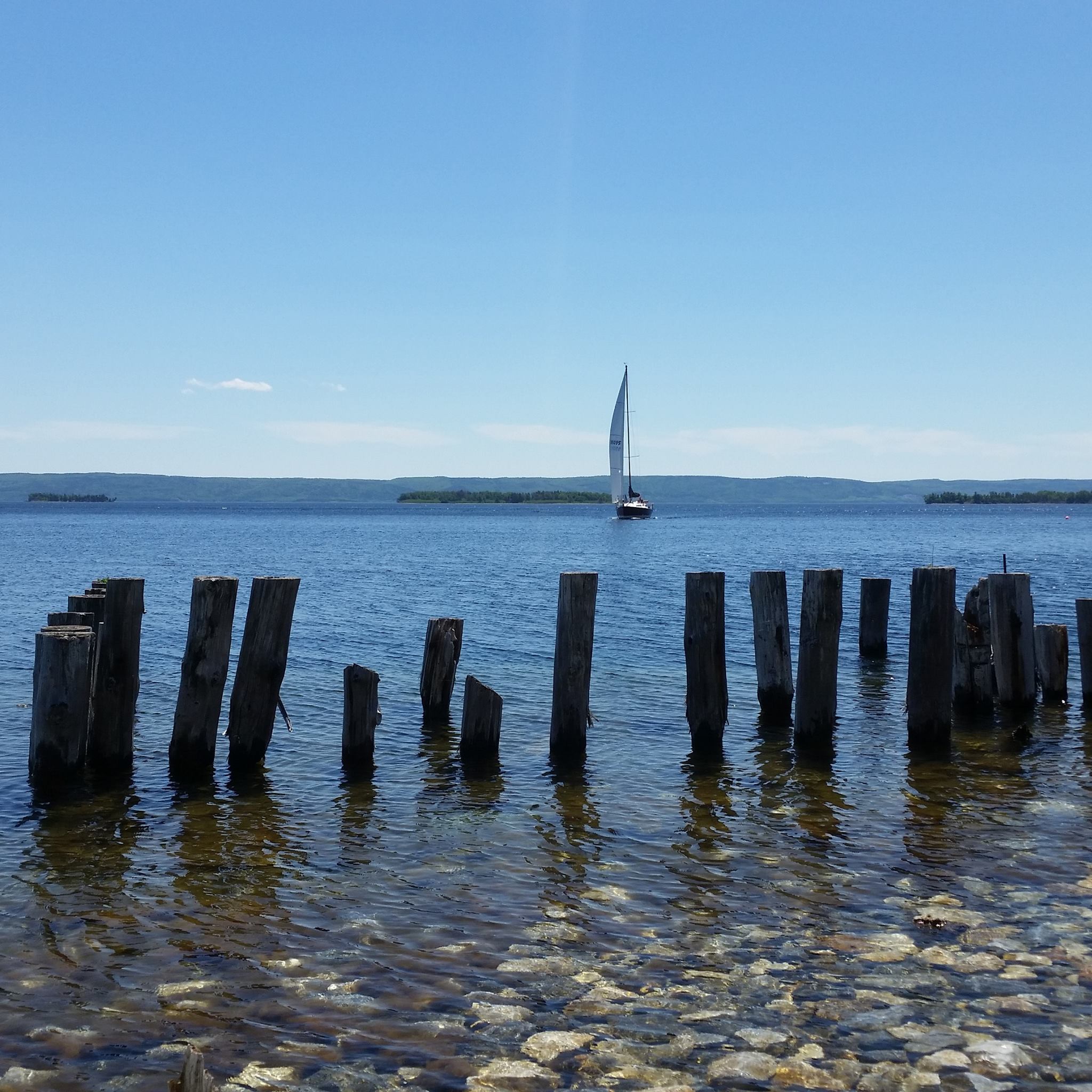
Beyond paddle boarding, explore Bras d'Or Lake via kayaking, boating, or even try your hand at fishing.
- Travel time: Varies depending on the specific location of the lake. Cape Breton Island is 2.5 hours from Halifax.
- Water type: Large freshwater lake (calm and sheltered)
- Skill level: Beginner to experienced
- Launch Points: Public boat launches are scattered around the perimeter of the lake, with popular options in Baddeck, St. Peter’s, and Whycocomagh.
- Amenities: The towns and villages surrounding Bras d’Or Lake offer various amenities, including restaurants, shops, and accommodations. Restrooms and changing facilities may be available at specific launch points.
- Unique Features: Explore the vast expanse of Bras d’Or Lake, dotted with islands and offering stunning scenery of the Cape Breton Highlands. Paddle through the Alexander Graham Bell Museum harbor and discover historical sites.
14. St Mary's Bay
St. Mary's Bay offers an incredible paddle boarding Nova Scotia experience with its protected waters, scenic coastlines, and abundant wildlife.

For the best experience, plan your trip between the calm summer months of June to September. Ideally, aim for early mornings or late afternoons to avoid crowds and enjoy the glassy waters.
While the population around the bay is small, there are plenty of opportunities for hiking, kayaking, and exploring the charming villages that dot the coastline.
- Time to get there: 30 minutes from Halifax.
- Water type: a protected inlet with sheltered water.
- Skill level: Beginner to intermediate. Great for learning and exploring.
- Launch points: Several public access points along the peninsula spanning alongside Nova Scotia’s mainland.
- Amenities: Public washrooms, picnic areas, and parking are available at most launch locations.
- Unique features: Paddle alongside historic naval ships in the Bedford Institute of Oceanography. Enjoy beautiful waterfront scenery and explore the Bedford Basin Park.
15. Horseshoe Cove
Sheltered by dramatic cliffs and blessed with calm waters, Horseshoe Cove provides a scenic playground for stand-up paddle boarders.

For the best conditions, aim for the summer months, particularly between July and September. Early mornings tend to be the calmest, while the small, scattered population means you'll likely share the cove with only a few fellow paddlers.
- Distance from Halifax: 1 hour 15 minutes
- Water type: Protected cove with calm waters, ideal for beginners looking for a serene paddling experience.
- Skill level: Beginner-friendly. The sheltered cove provides a calm environment to practice balancing and paddling techniques.
- Launch points: Public beach access with ample parking available. This makes it convenient to unload your gear and get straight to enjoying the water.
- Amenities: Limited amenities are directly available at Horseshoe Cove. However, a short drive away in Peggy's Cove, you'll find restrooms for added convenience.
- Unique features: Paddle alongside Peggy's Cove, the iconic fishing village etched into Nova Scotia's history. The vibrant red and white Peggy's Point Lighthouse perched on the granite rocks creates a picturesque backdrop for your paddle.
16. Three Sisters
Nova Scotia's Three Sisters, carved by glaciers, are three majestic sea stacks that rise from the water, creating a unique and scenic landscape for paddle boarding Nova Scotia.

The area is sparsely populated, offering a tranquil escape on the water. After your paddle, explore the nearby Peggy's Cove, a historic fishing village, for a taste of local culture.
- Travel time: 3 hours from Halifax
- Water type: Bay of Fundy (powerful tides and currents)
- Skill level: Experienced paddlers only (check tide tables carefully)
- Launch points: Launch from the public beach in The Basin near Chebogue Point.
- Amenities: Limited amenities. No washrooms or restaurants are available at the launch point. Come prepared with everything you need for your paddle.
- Unique features: Get up close to the Three Sisters, a trio of towering sea stacks that rise dramatically from the Bay of Fundy. These naturally formed rock pillars are a majestic sight and a popular attraction for photographers and kayakers alike. Be sure to plan
Best Time for Paddle Boarding in Nova Scotia
Nova Scotia welcomes paddle boarders from late spring to early fall. The waters are warmer during these months, and the weather is just right – the waters are more inviting, the sun shines a little brighter, and the cool breeze feels perfect for a day on your board.
During the late spring and summer months, you'll witness a blooming coastline as nature is in full swing. Expect to share your journey with an array of wildlife, such as seals being playful and birds diving overhead.
In the evening, the setting sun will paint the sky with gorgeous hues, bidding you a stunning goodbye before you head back.
But remember, the sea is a fickle friend - conditions can change quickly. It's always best to double-check the local weather and sea conditions before you set out and keep in mind safety measures.
What Are the Four Golden Rules of Getting on Your SUP?
There are many safety rules when it comes to paddle boarding Nova Scotia, but here are the most important four:
- Gear Up: Wear a personal flotation device, attach the leash, and wear layers to adjust body temperature.
- Start Chill If You’re New: If you're a beginner at paddle boarding, get to know your SUP in the calm, flat water to get a feel for it and build your confidence.
- Keep Balance: Your SUP is a delicate balance of physics, and the middle is the sweet spot. Try to stay in the middle of the board, and you’ll get used to it in no time.
And most importantly, remember to have fun! It’s not a competition. The joy of having Nova Scotia paddle board adventures comes from the freedom of being on the water and the connection with nature. Let loose, enjoy the ride, and make every paddle count.

Are You Down for Paddle Boarding Nova Scotia?
In closing, Nova Scotia's stunning coastlines, tranquil lakes, and charming towns offer an unforgettable backdrop for your next paddle board adventure. With calm waters, breathtaking scenery, and options for all skill levels, there's a perfect spot waiting to be explored.
Ready to chart your course? Download the Blue Adventures app by iROCKER. This app provides valuable information on launch sites, water conditions, and local amenities, ensuring a smooth and enjoyable paddle boarding Nova Scotia experience. Plan your trip, grab your paddle board, and get ready to discover the magic of Nova Scotia from a whole new perspective!

Ontario, the jewel in Canada's crown, is a haven for paddle boarding. It boasts diverse landscapes and water bodies, offering a spectrum of paddle boarding experiences that make it a dream destination for every paddle boarder.
Ready to make your paddle boarding Ontario dream a reality? Grab your gear and join us as we explore the city’s most enchanting SUP destinations. From tranquil provincial parks to lively harbors and hidden gems, we've got you covered.
DISCLAIMER: Before traveling to a paddle location, ensure that the location still allows for paddle boarding and make yourself aware of any rules and regulations in place.
Paddle Boarding Ontario's Provincial Parks
Ontario's provincial parks are a true sanctuary for those seeking nature's serene embrace. The province's natural beauty is perfectly captured in these parks, making them ideal locations for your paddle boarding Ontario adventure.
1. Algonquin Provincial Park
Ontario's oldest and most famous park invites you to glide across its pristine lakes, lush forests, and vibrant wildlife. It's an ideal spot for multi-day SUP trips, with over 2,400 small lakes to explore when paddle boarding Ontario.

Image source: Wikimedia Commons
The park's three largest lakes are Lake of Two Rivers, Lake Opeongo, and Cedar Lake, approximately less than 58 square kilometers in size.
- Skill Level: All levels. Beginners can try the Smoke Lake to Ragged Lake route, while more experienced paddlers might enjoy the Rain-Islet-McCraney Lake Loop.
- Launch Points: Key access points include Smoke Lake (access point #6) and Oxtongue River. For the Rain-Islet-McCraney loop, use access point #4.
- Type of Water: The park is known for its calm waters, making it suitable for a serene paddle boarding experience.
- Fees: There are various fees for different activities, including day use, camping, and rentals. For instance, paddle board rentals are available from the Algonquin Canoe Company starting at $25.
- Best Time to Visit: To experience the park's beauty, autumn is recommended for its stunning fall colours. However, the park is open for paddle boarding from spring to autumn, offering different scenic experiences in each season.
2. Killarney Provincial Park
Next, paddle your way in Killarney Provincial Park. The crystal-clear waters of George Lake, framed by white quartzite mountains, offer an awe-inspiring backdrop for a SUP adventure.

Image source: Wikimedia Commons
Don't forget to catch the sunset, for it is a sight to behold for paddle boarding Ontario.
- Skill Level: The park offers routes that can challenge both beginners and experienced paddlers. For a more challenging adventure, the route from Widgawa Lodge to Grace, Nellie, and Murray Lakes involves steep and rugged portages.
- Launch Points: The George Lake Campground is the main access point. Other options include the Bell Lake Access, Penage Bay Marina, and Widgawa Lodge.
- Type of Water: The park's waters range from calm lakes to more challenging routes with portages. The North Range and David Lake Loop are popular among paddle boarders.
- Fees: Similar to Algonquin, Killarney has various fees for activities like day use, camping, and rentals. Paddle board rentals are available from Killarney Outfitters and Killarney Kanoes.
- Amenities: The park offers a variety of facilities including campsites, roofed accommodations, equipment rentals, and access to historical trails and scenic lookouts.
- Best Time to Visit: Killarney is accessible year-round, with each season offering unique experiences. The fall is particularly beautiful with vibrant foliage.
3. Bon Echo Provincial Park
Bon Echo Provincial Park, known for its towering cliff faces, is a must-visit. Mazinaw Rock, a 1.5-kilometer sheer rock face adorned with ancient Indigenous pictographs, will bring you a truly unforgettable experience.

Image source: Wikimedia Commons
The park also offers various paddling routes, including the Kishkebus Canoe Route which is a 21 km loop and is considered moderately difficult. This route allows you to view ancient Indigenous pictographs and other unique wildlife.
- Skill Level: Bon Echo is suitable for all skill levels.
- Launch Points: You can launch your paddle board from several points in the park, such as North Beach, the Lagoon, Bon Echo Creek, and Tappings Bay Boat Launch.
- Type of Water: The waters in Bon Echo range from calm, motorboat-free lakes like Joeperry and Pearson Lakes to the more expansive and picturesque Mazinaw Lake, which is famous for its Aboriginal pictographs.
- Fees: Similar to other provincial parks, there are fees for activities such as camping and day use. Backcountry camping fees also apply if you plan to explore the more remote areas of the park.
- Amenities: The park offers a variety of facilities, including campsites with different levels of amenities (some with electrical access), backcountry campsites, cabins, yurts, and a variety of rental options for outdoor equipment.
- Best Time to Visit: Bon Echo is open from May 10 to October 20, 2024, for various activities including paddle boarding. The park is known for its stunning landscapes, including Mazinaw Rock and its interior lake, making it a beautiful destination throughout the operating season.
City-based Paddle Boarding Spot in Ontario
For those nestled in the city, fear not. Paddle boarding Ontario provides an exhilarating contrast to the peaceful parks.
1. Toronto Islands
Toronto Islands are a quick escape from the city. The islands are a cluster of many small islands just off the city's coast, offering both calm lagoons and challenging open waters for all paddle boarders. All while being treated to a fantastic view of Toronto's skyline.

Image source: Wikimedia Commons
- Skill Level: Suitable for all levels. Beginners can enjoy calm lagoons, while more experienced paddlers can challenge themselves in the open waters of Lake Ontario.
- Launch Points: There are several options for launching your paddle board, including Cherry Beach.
- Type of Water: The area offers a mix of calm lagoon waters and more open, challenging waters of Lake Ontario.
- Fees and Rentals: Rentals are available from Toronto Islands SUP, with prices starting at $30 for a one-hour rental, and an additional $10 for each extra hour. All necessary safety equipment is included in the rental price.
=> Here is: Where you can paddle board in Toronto
2. Ottawa River
The Ottawa River courses through the heart of Canada's capital and offers another unique urban adventure. It offers calm waters for easy paddling near the city, as well as opportunities for more challenging experiences in the Upper Ottawa River, known for its world-class whitewater conditions.

Image source: Freepik
From peaceful paddles to adrenaline-pumping whitewater challenges, the Ottawa River caters to all skill levels.
- Skill Level: The Ottawa River is suitable for both beginners and experienced paddle boarders.
- Launch Points: City beaches like Petrie Island, Westboro, and Britannia are popular spots for paddle boarders to relax, swim, or launch their boards.
- Type of Water: The river provides a mix of calm flatwater near the city and more vigorous whitewater sections further out.
- Fees and Rentals: Paddle board rentals and lessons are available from several local companies like Urban Ocean and Paddlefit. They offer various programs including yoga, fitness, SUPing with your dog, and sunset paddles. Rental locations include areas like the Rideau Canal (Dows Lake), Rideau River, and other sections of the Ottawa River.
- Amenities: In addition to paddling, the area offers green park spaces and multi-use pathways along the river.
3. Hamilton Harbour
Hamilton Harbour is nestled on the western tip of Lake Ontario, another hidden urban gem. It offers a serene paddle boarding escape amidst the city's bustle.

Image source: Flickr
While you're there, keep an eye out for the historic lighthouse and abundant waterfowl. They're quite a sight to see.
- Skill Level: Hamilton Harbour is suitable for paddle boarders of varying skill levels.
- Launch Points: There are multiple launch sites around Hamilton Harbour, including Bayfront Park, Princess Point, and Cootes Paradise. Bayfront Park offers multiple floating docks and a boat ramp, while Princess Point has a small dock for non-motorized boats.
- Type of Water: The waters in Hamilton Harbour are generally calm, making it a great spot for beginners. However, it's important to be mindful of the weather and wind conditions, as they can significantly impact the water surface and paddling experience.
- Amenities: There are hiking trails and picnic spots near some of the launch sites, perfect for enjoying a day in nature. Also, the water quality can be a concern during certain times of the year, so it's advisable to check local advisories.
Lesser-known Paddle Boarding Locations in Ontario
In search of off-the-beaten-path SUP locations? Paddle boarding Ontario holds secrets that promise unique and breathtaking SUP experiences.
1. French River
This river is steeped in history when it comes to paddle boarding Ontario. It was once traveled by fur traders and explorers and known to the indigenous Ojibwe as the "Rivière des Français."

Image source: Freepik
Paddling through the Canadian Heritage River, you can admire its vast network of channels, calm water stretches, and rugged landscape. The whole experience progresses with an ever-changing backdrop, the ultimate paddle boarder's dream.
- Skill Level: Suitable for beginners.
- Access Points: Multiple launch points are available along the river.
- Water Conditions: Ideal for paddle boarding due to calm waters.
- Facilities: Paid and free parking, year-round restrooms, seasonal bathrooms, food options, boat ramps, campsites, picnic shelters, tables, and wheelchair accessibility.
- Best Time to Visit: July and August in the warm summer months.
2. Lake Simcoe
This lake lies just an hour north of Ontario and is the fourth-largest lake in the province. Its clear blue waters offer a tranquil paddle boarding Ontario experience away from the crowds. Its landscape varies from sandy beaches to rocky outcrops, sometimes even quaint cottages.

Image source: Freepik
On a calm day, its surface is like a mirror, reflecting the open blue sky. While paddling, you'll feel the gentle lapping of the waves against your board and the soft breeze on your skin.
- Skill Level: Suitable for beginners.
- Launch Points: Public launch points with docks and sandy areas.
- Water Type: Clear, calm blue waters.
- Facilities: Paid and free parking.
- Best Time to Visit: June to August for ideal weather and outdoor activities.
3. Manitoulin Island
The island is the world's largest freshwater lake island, situated in Lake Huron. It's studded with more than 100 beautiful lakes, several tranquil bays, and unique topography perfect for SUP adventures, making it a perfect place to stop by in your paddle boarding Ontario adventure.

Image source: Flickr
Adding to that allure is the area's rich indigenous culture. You'll see evidence of this vibrant culture in the form of petroglyphs etched into the rock faces. On a good day, you might even get invited to the local events and celebrations.
- Skill Level: Recommended for advanced adventurers.
- Launch Points: Multiple launch points across the island.
- Water Type: Diverse water experiences, from tranquil bays to open lake waters.
- Best Time to Visit: Summer for fishing, hiking, paddling, and beach activities, with fall offering quieter hikes and stunning autumn colours.
Can You Paddle Board in the Winter in Ontario?
Yes, you can! However, winter paddle boarding Ontario requires proper gear and precautions:
- Specialized Gear: Some cold-weather paddle boarding gear won't disappoint. A good-quality wetsuit or drysuit keeps your core temperature regulated, and neoprene gloves and boots will keep your extremities from freezing. A thermal hat or hood can also make a difference, especially when that cold wind starts to blow.
- Take Safety Measures: Check local regulations, as some areas may be off-limits due to ice conditions or wildlife considerations. Keep an eye on the weather forecast because winter's nature can be unpredictable. You don't want to be caught on the water when a storm blows in.
- Check for Ice: Ice can form quickly in cold temperatures, and getting trapped is dangerous. Always check the ice conditions before heading out, and avoid areas where ice is forming.
- Consider Tours: Consider a guided winter SUP tour if you're new or are unfamiliar with the local conditions. Experienced guides can provide valuable insights into safe routes, weather patterns, and ice conditions. Plus, they'll offer valuable advice and on-the-spot assistance if you need.
- Take It Slow: Winter paddle boarding isn't a race. Think of it as a journey. Take your time to enjoy the serene beauty of the landscape, and take breaks when necessary. A thermos of hot cocoa on the shore can work wonders in warding off the cold.
Lastly, always tell someone where you're going and when you expect to return. Better yet, bring a buddy along when you are paddle boarding Ontario. Not only can you two share the breathtaking winter scenery, but someone will also have your back.
Paddle Boarding Ontario with iROCKER
Paddle boarding Ontario offers stunning locations as diverse as they are beautiful. Get on an inflatable SUP and make waves in Ontario's enchanting waterways.

Are you ready to feel the wind in your hair, the sunlight on your face, and the cool water splashes as you paddle through Toronto's iconic waterways? Welcome aboard, adventurer! Come to Toronto, a place known for its ideal paddle boarding havens. Stand up paddle board Toronto adventures await!
DISCLAIMER: Before traveling to a paddle location, ensure that the location still allows for paddle boarding and make yourself aware of any rules and regulations in place.
Top 11 Best Places to Paddle Board in Toronto
Considering exploring Toronto's waterfront from a new perspective? Stand up paddle boarding offers a relaxing way to enjoy the city's waterways. Here are 11 great spots to try your hand at stand up paddle board Toronto.
1. Toronto Islands
This group of small islands offers a unique escape from the urban jungle. As you paddle around, the city skyline will treat you to stunning views.

Image source: PxHere
Beginners can take advantage of the calm lagoons for a gentle introduction to the sport. Experienced paddle boarders can venture out into the waves of Lake Ontario for a thrilling experience. Add a sunset to this picture, and voilà! An unforgettable SUP paddle board Toronto adventure.
- Time to get there: 20-minute ferry ride from downtown Toronto (ferry departs from Jack Layton Ferry Terminal)
- Water type: Protected harbor water (calm and flat)
- Skill level: Beginner-friendly
- Launch points: Several ferry docks on the islands offer launch points. Notably, Hanlan's Point Park and Centre Island provide easy access to the water.
- Amenities: Public washrooms, picnic areas, and concession stands are available on the islands. However, there are no SUP board rentals on the islands themselves.
- Unique features: Paddle around the islands and explore the car-free zone, offering stunning views of the Toronto skyline from a unique vantage point. Take a break on the beach for a picnic after your stand up paddle board Toronto adventure and soak up the relaxed atmosphere.
2. Cherry Beach
Next, catch the breeze to Cherry Beach. Located on the city's east side, this sandy retreat offers an ideal setting for a relaxing stand up paddle board Toronto session. It's not just the tranquil waters that make this beach a beginner's paradise. It’s also the friendly, laid-back vibe that invites you to stay, take time, and enjoy the ride.

Image source: Wikimedia Commons
And remember, always check the weather forecast before heading out. This lakeside beach park's mood can quickly swing from serene to very challenging.
- Time to get there: 20 minutes from downtown Toronto by car or public transit
- Water type: Open water on Lake Ontario (conditions can vary)
- Skill level: Beginner to experienced (due to possible wind and waves)
- Launch points: Public beach access points along Cherry Street provide launch areas. Woodbine Beach SUP rentals are available nearby, making it convenient to grab a board and head straight for the water.
- Amenities: Public washrooms, parking (fee may apply), and concession stands are available during peak season. Enjoy refreshments or grab a bite to eat after your stand up paddle board Toronto session.
- Unique features: Paddle alongside the scenic coastline of Ashbridges Bay Park and admire the natural beauty of the area. This popular location for water sports enthusiasts offers a chance to spot kayakers, windsurfers, and fellow paddle boarders enjoying the lake.
3. Humber River & Humber Bay Arch Bridge
Feel like switching up the scene? Head west to this hidden gem for a more intimate SUP experience. The protective bay keeps the waters calm and inviting, making it perfect for a leisurely stand up paddle board Toronto adventure.

Image source: Unsplash
With the sound of lapping waves as a rhythmic soundtrack, you can put worries away and truly become one with nature.
- Time to get there: 30 minutes from downtown Toronto by car or public transit
- Water type: Calm river with some current
- Skill level: Beginner-friendly (sheltered from wind)
- Launch points: Sunnyside Beach and King’s Mill Park provide a designated launch area for paddle boarding Toronto, making it easy and convenient to get started on your paddling adventure.
- Amenities: Public washrooms and some parking are available. While amenities are limited compared to other beaches on this list, you can still pack a picnic and enjoy the scenic riverside location after you stand up paddle board Toronto.
- Unique features: Paddle under the iconic Humber Bay Arch Bridge and enjoy the serene river landscape. This peaceful environment offers a tranquil escape from the city buzz, perfect for a relaxing paddle surrounded by nature.
4. Rouge Beach
Where the Rouge River meets Lake Ontario lies a unique experience, Rouge Beach.
Here, you can choose your own adventure: a serene paddle session up the river, or a lively challenging lake session. This versatility coupled with the natural beauty of the area makes Rouge Beach a must-visit for every SUP enthusiast.

Image source: Wikimedia Commons
- Time to get there: 45 minutes from downtown Toronto by car
- Water type: Open water on Lake Ontario (calm to choppy waves depending on conditions)
- Skill level: Intermediate to experienced (be aware of water conditions before heading out)
- Launch points: Designated launch area near the Rouge Beach Park Visitor Centre. Choose a launch point based on wind direction and desired paddling experience.
- Amenities: Public washrooms, parking (fee may apply), and some seasonal concession stands are available. You might find snacks or refreshments depending on the time of year you visit.
- Unique features: Paddle along the Rouge River and explore the natural beauty of Rouge National Urban Park. Keep your eyes peeled for diverse wildlife sightings – you might spot anything from birds and fish to turtles and even beavers!
5. Tommy Thompson Park
Venture to Tommy Thompson Park, a man-made peninsula extending into Lake Ontario. The open water here can pose a challenge, but the breathtaking view of the downtown skyline is pretty rewarding. This contrast of urban and natural scenery encapsulates the unique charm of SUP in Toronto.

Image source: Flickr
- Time to get there: 40 minutes from downtown Toronto by car or public transit
- Water type: Open water on Lake Ontario (can be exposed to wind and waves)
- Skill level: Intermediate to experienced (check weather conditions beforehand)
- Launch points: Designated launch area near the Leslie Street Spit. The presence of a breakwater at certain points provides some protection from open water conditions.
- Amenities: Public washrooms and some parking are available. Amenities are limited throughout the park, so be sure to pack everything you need for your paddling adventure.
- Unique features: Paddle along the Leslie Street Spit and enjoy the unique perspective of the Toronto skyline from the waterfront. This popular spot for birdwatching allows you to combine your stand up paddle board Toronto experience with a chance to see some interesting bird species.
6. Marilyn Bell Park
Toronto's Marilyn Bell Park, boasting a sheltered bay and scenic lakefront views, is a popular destination for paddle boarding Toronto. For the smoothest paddling experience, consider weekdays and early mornings when the water is typically calmer.

Image source: Flickr
The park itself is bustling with families and picnickers, so expect a moderate crowd. After your paddle session, explore the nearby trails or grab a bite to eat just outside the park.
- Time to get there: Approximately 30-minute drive from downtown Toronto
- Water type: Open water on Lake Ontario. Conditions can vary depending on wind and wave direction.
- Skill level: Intermediate. Not recommended for complete beginners due to the potential for choppier water.
- Launch points: Designated launch area near the Marilyn Bell Park parking lot.
- Amenities: Washrooms, change rooms, and limited concession options are available near the launch point. Parking is available for a fee.
- Unique features: Paddle towards the historic Humber Bay Shores Estate, a beautiful example of Gothic revival architecture. Enjoy the scenic waterfront views and explore the natural beauty of the surrounding parkland
7. Ontario Place
Ontario Place, a popular waterfront destination in Toronto, is a fantastic location for stand up paddle boarding.

Image source: Wikimedia Commons
Paddlers enjoy scenic views of the city skyline and Lake Ontario, with a backdrop of offshore islands and the Canadian National Exhibition grounds. Ontario Place attracts a diverse crowd, from families and young adults to seasoned paddlers.
- Time to get there: 30 minutes by car or public transport from downtown Toronto.
- Water type: Protected harbor with calm, flat water.
- Skill level: Beginner-friendly, ideal for learning and leisurely paddling.
- Launch points: Several public docks along the West Island, including one near the Cinesphere.
- Amenities: Washrooms, food vendors (seasonal), bicycle rentals (seasonal). Limited parking available.
- Unique features: Stunning views of the Toronto skyline, easy access to the island's walking paths and green spaces. Offers a unique perspective of Toronto's iconic landmarks.
8. Etienne Brulé Park
The calm harbor waters of Etienne Brulé Park provide a scenic experience, allowing you to paddle past lush parkland and admire the Toronto skyline in the distance.
For the most relaxing stand up paddle board Toronto session, weekdays or early mornings during summer (June-August) are ideal, before winds pick up and the park gets busy.

Image source: Wikimedia Commons
Combine your SUP adventure with kayaking or canoeing for a full day of water activities, but be mindful of other paddlers sharing the harbor.
- Time to get there: 40 minutes by car or public transport from downtown Toronto
- Water type: Calm and protected inner harbor water
- Skill level: Beginner-friendly due to the sheltered location. This is a great spot for those new to stand up paddle boarding Toronto to build confidence and practice their skills.
- Launch points: The public beach area on the south side of the park provides a convenient launch point for your SUP adventure.
- Amenities: Washrooms and public parking are available (fees apply). Concession stands offer a variety of food and drinks to refuel after your paddle.
- Unique features: Etienne Brulé Park offers a scenic paddle through the Humber Bay marshes. Keep your eyes peeled – you might spot some interesting wildlife during your exploration.
9. Kew Balmy Beach
Kew Balmy Beach boasts scenic beauty, with views of the Toronto shoreline and a chance to spot diverse wildlife. Early mornings and evenings are ideal times to visit, offering tranquility and avoiding large crowds.

Image source: Flickr
While enjoying the beach, you might also see people cycling the Martin Goodman Trail or relaxing on the sandy shores.
- Time to get there: 1 hour by car or public transport from downtown Toronto
- Water type: Calm and protected bay with occasional boat traffic. This calm environment makes it ideal for SUP enthusiasts of all experience levels.
- Skill level: Suitable for all skill levels, making it a perfect spot for families and beginners to learn and enjoy stand up paddle boarding Toronto.
- Launch points: The public beach area on the north shore of Kew Palmy Beach provides a convenient launch point with easy access to the water.
- Amenities: Washrooms and public parking are available (fees apply). Lifeguard supervision is available during peak season, providing an extra layer of security for those who enjoy paddling with peace of mind.
- Unique features: Kew Balmy Beach boasts a picturesque setting with a small beach and nearby cafes. It's the perfect place to relax and unwind after a refreshing paddle on the water.
10. Scarborough Bluffs
The Scarborough Bluffs, a dramatic cliffside overlooking Lake Ontario, offers a unique perspective for stand up paddle boarding Toronto. The clear waters and scenic beauty, particularly during the summer months (June to August) around sunrise or sunset, create an unforgettable experience.

Image source: Flickr
While Scarborough Bluffs is a popular destination, attracting over 600,000 visitors annually, finding a less crowded time to launch your SUP is recommended.
- Time to get there: 1 hour by car or public transport from downtown Toronto
- Water type: Calm water but be aware of currents and waves that can arise, especially for those venturing further out.
- Skill level: Good for families paddling near the shore and experienced riders (off the shore)
- Launch points: Public beach access points are available along the bluffs. However, launching during high waves can be dangerous. Be sure to check the conditions before heading out.
- Amenities: Limited washrooms are available, and public parking is offered (fees apply). There are no food or drink options nearby, so plan accordingly.
- Unique features: Paddle along the breathtaking Scarborough Bluffs coastline and experience the beauty of the cliffs rising from the water. Combine your paddle boarding adventure with exploring the nearby Bluffers Park, featuring hiking trails and historical sites, for a well-rounded day trip.
11. Sunnyside Beach – Budapest Park
Sunnyside Beach and Budapest Park offer a scenic location for stand up paddle boarding in Toronto. The calm waters of the sheltered bay are ideal for paddlers, with a backdrop of the Toronto skyline for added beauty.

Image source: Flickr
For the best conditions, aim for early mornings or evenings during the summer months (June to August) when the winds are typically calmer.
- Time to get there: 20 minutes by car or public transport from downtown Toronto
- Water type: Calm and protected inner harbor water with some boat traffic. This calm environment makes it perfect for leisurely paddling.
- Skill level: Suitable for all skill levels, making it a great choice for beginners, families, and experienced paddlers alike.
- Launch points: The sandy beach area on the west side of Sunnyside Beach provides a user-friendly launch point for your SUP adventure.
- Amenities: Washrooms and public parking are available (fees apply). Concession stands offer a variety of food and drinks to quench your thirst and satisfy your hunger after your time on the water.
- Unique features: Enjoy a scenic location with views of the downtown Toronto skyline as you paddle. You might spot other water enthusiasts like kayakers and dragon boats sharing the calm inner harbor.
What’s the Best Paddle Boarding Season in Toronto?
Though the call of the paddle board is hard to resist, remember, Mother Nature has a tight schedule.
The best time to hit the Toronto waters is typically from late spring to early fall. The peak months are June, July, and August, when the weather is the warmest, and the conditions are the best for stand up paddle boarding Toronto.
In colder months, some experienced paddle boarders may choose to engage in winter paddle boarding or ice SUP. This requires specialized gear, a strong knowledge of safety protocols, and great understanding of the local conditions.
Safety Tips When Stand up Paddle Board in Toronto
Here are some essential tips for you to conquer any stand up paddle board Toronto challenge:

Image source: Wikimedia Commons
- Leash Up: A leash keeps you connected to your paddle board. If you fall off, your board can act as a large flotation device.
- Dress Appropriately: Consider a wetsuit or drysuit, especially in the early and later parts of the season. Dress in layers to adjust to changing conditions.
- Take Swimming Lessons: While stand-up paddle boarding, you're likely to lose balance and fall at some point. Learning to swim or just float really comes in handy.
- Bring a Personal Flotation Device (PFD): You never know what awaits.
- Stay Visible: Wear bright colors to stay visible to other people. If you're paddling in low light conditions, bring a light to make sure you're seen.
- Avoid Paddling Alone: It's safer to paddle with a buddy. If you’re going alone, let someone know where you're going and when you expect to return.
- Stay Near the Shoreline: It’s especially safer for a beginner. You can also easily get help if needed.
- Learn Basic Paddle Boarding Skills: Take a lesson or course to learn basic paddle boarding skills like how to fall safely, how to get back on your board, and what to do when conditions become tough.
- Respect Other Water Users: Be aware of other water users, like swimmers, boaters, and wildlife, and keep a safe distance.
Paddle Boarding Lessons and Rentals in Toronto
Don't have your gear? No worries! Toronto's got you covered with numerous paddle board rental Toronto spots scattered throughout the city. There are even paddleboard lessons for beginners with experienced instructors.
But what if you're already a seasoned paddler? Toronto still has plenty to offer, from SUP yoga classes to exciting paddle board Toronto events. And if you're looking for a trusted brand of paddle board, consider checking out iROCKER. We offer a wide range of high-quality paddle boards suitable for all skill levels.
There are endless ways to connect with the local SUP community and take your paddling skills to new heights.
Gear Up and Paddle Away!
Whether you’re a beginner or expert at paddle boarding, Toronto has it all, from tranquil bays to energetic lakes. Each location boasts its unique charm, promising a different adventure every time.
For an effortless way to discover hidden coves, public beaches, and scenic routes perfect for your next stand up paddle board Toronto outing, download the Blue Adventures app by iROCKER. This user-friendly app provides valuable information on launch points, difficulty levels, and nearby amenities to ensure a smooth and enjoyable paddling experience.
So grab a paddle board, slap on some sunscreen, and get ready for thrilling journeys across Toronto's shimmering waters with iROCKER.

Embrace the outdoors with your furry pal by paddle boarding together! This guide covers why paddle boarding with your dog is a must-try, selecting the ideal board, and planning a memorable adventure. Dive in and get set for a thrilling paddle board experience with your dog.
Why Should You Try Paddle Boarding With Your Furry Friend
Paddle boarding with your pup brings endless fun, strengthening your bond while creating lasting memories. It's a fantastic way to stay fit and healthy together while exploring new places and soaking up the tranquil vibes of the water. And what is the number one essential for an unforgettable paddle boarding escapade with your dog?
Choosing the Right Paddle Board!
Choosing the perfect paddle board for you and your four-legged buddy is a breeze! Focus on width and stability to guarantee a secure and enjoyable ride for both you and your tail-wagging friend.
BLACKFIN MODEL XL
Introducing the BLACKFIN MODEL XL, a luxurious paddleboard designed to accommodate you, your partner, and your pal. With an impressive weight limit of 485 lbs., this premium board features triple-layer PVC construction, built-in carbon rail, and reinforced seams for remarkable resilience. The package includes a 3-piece carbon-shaft paddle, triple-action hand pump, leash, and 3 flip lock fins.

iROCKER CRUISER 10'6
Experience the unparalleled stability of the iROCKER CRUISER 10'6, crafted with a wide tail and extra-wide base to comfortably fit your family. It's made with triple-layer, military-grade PVC and a drop-stitch core that ensures a smooth and steady ride. The package comes complete with a 3-piece carbon-matte paddle, triple-action hand pump, 3 flip lock fins and leash.

BLACKFIN MODEL X
The BLACKFIN MODEL X is designed for those seeking a refined paddling adventure. Constructed with the same premium materials, including triple-layer PVC, built-in carbon rail, and reinforced seams, this board offers a comfortable space for all riders. The package features a 3-piece paddle with a carbon shaft, triple-action hand pump, and 3 flip lock fins.

iROCKER CRUISER ULTRA™
The iROCKER CRUISER ULTRA™ presents a delightful and reliable option for you and your companion. Its compact design and cross-thread, drop-stitch construction ensure a tranquil and enjoyable ride. The board comes with a lightweight carbon paddle, an electric pump, leash, and tethered flip lock fins.

Planning Your Paddle Boarding Adventure
Choosing The Perfect Location
Embarking on a dog paddle board adventure? Pick a serene, dog-friendly spot with minimal boat traffic, waves, and currents for an enjoyable experience. Don't forget to check local regulations and secure any required permits before setting off.

Safety Equipment For Your Dog
Your pup's safety is paramount during your paddle boarding escapade! Invest in a dog-specific personal flotation device (PFD) to give your furry friend extra buoyancy and make swimming easier if they take an unexpected dip.
Paddle Boarding Techniques For Smooth Dog Handling
Master the art of paddle boarding with your dog! Start by practicing basic techniques and finding your balance on the board alongside your pooch. Train your dog to sit or lie down on the board, rewarding them with treats for a job well done. Begin in shallow waters, gradually venturing into deeper areas as you and your pup gain confidence in your paddle boarding skills.

Paddle Board Ahoy!
Paddle boarding with your dog is a fantastic way to forge unbreakable bonds and craft cherished memories while exploring nature's beauty. So, gear up, grab your furry friend, and hop on your iROCKER paddle board for an exhilarating paddle board adventure – fun times await!

Start an exciting paddle boarding adventure with our guide to the best paddle boards for beginners! Explore top SUP options, key features, and safety tips to kick-start your journey with confidence. Grab your sunscreen and sunglasses, and let's make a splash!
1. iROCKER Cruiser ULTRA™ 2.0
Introducing the CRUISER ULTRA™: Boasting a weight limit of up to 300 lbs., this board is a perfect choice for families and adventurers who have just started trying out paddling.

It is reputed as one of the best paddle boards for beginners and offers exceptional stability thanks to its cross-thread drop-stitch construction. The package includes a convenient carrying bag, carbon shaft paddle, electric pump, leash, and tethered flip lock fins.
- Length: 10'6".
- Board Weight: 21 lbs.
- Weight Limit: 300 lbs.
- Width: 33".
- Material: Woven drop-stitch construction.
- Ideal for: Beginners and intermediate paddlers.
2. iROCKER CRUISER 10'6" Inflatable Paddle Board
With the IROCKER CRUISER 10'6", your family can experience the ultimate in stability. Its triple-layer, military-grade PVC with a drop-stitch core, extra-wide base and broad tail provide unparalleled stability and resilience for new comers.

Although modest in volume, it can support up to 400 lbs. The board's construction and design emphasize steady, easy handling, perfect for those starting their paddle boarding journey.
Specs & Features:
- Length: 10'6" (126 inches).
- Width: Approximately 33 inches (84 cm).
- Weight Capacity: Can support up to approximately 400 lbs (181 kg).
- Material: Constructed from Triple Layer Military Grade PVC with a Drop-Stitch Core.
- Included Accessories: Features a leash with a key stash spot, a 3-piece travel paddle, a dual chamber hand pump, and 3 flip-lock removable fins.
- Optional Accessory: Comes with a premium travel wheel bag for easy transportation.
3. ALL AROUND 10' ULTRA™ 2.0 Inflatable Paddle Board
The ALL AROUND 10' ULTRA™ 2.0 presents a superior option for those who have just started out, but love adventure.

This versatile board offers incredible stability and effortless maneuvering, even when faced with challenging waves, making it suitable for a variety of users, including beginners and intermediates. It's particularly ideal for shorter and lighter paddlers. The board features durable, woven drop-stitch construction and a lightweight design for ease of maneuverability on the water.
-
Specs & Features:
- Length: 10' (3m).
- Width: 32" (81cm).
- Weight Capacity: 260 lbs (118 kg).
- Material: Woven drop-stitch construction.
- Includes: Enhanced backpack, adjustable 5-piece paddle, 10'/3m coil leash with key stash spot, 2 tethered flip lock fins, 12V electric pump & accessory pouch.
- Optional accessories: Various compatible items like a kayak seat and a lunch box cooler (water-resistant).
What to Look for in a Beginner SUP?
Embarking on your paddle boarding journey? It's crucial to choose the right beginner stand up paddle board for a smooth sailing experience. Keep these factors in mind when hunting for the perfect beginner SUP:

1. Paddle Board Hull
For beginners, a paddle board with a planing hull is recommended.
This type of hull is wide and flat, much like a surfboard, making it ideal for smooth, on-water experiences.
If your interests include activities such as surfing, yoga, or recreational paddling, a planing hull is the preferred choice due to its rigidity and performance in various water conditions.
2. Paddle Board Material
Paddle boards are commonly made from sturdy PVC, reinforced with drop-stitch technology for robust seams.
The best paddle boards for beginners, usually crafted from these materials, offer stability and buoyancy and enhance their overall performance.
3. SUP Volume and Capacity
Volume and capacity need to be considered when choosing a SUP, especially the best paddle boards for beginners, as they need to align with your size for optimal performance.
- The board's volume:
It is measured in litres, which influences its weight capacity and stability on water; higher volume means better buoyancy and support.
- Weight capacity
Usually noted in pounds, it determines the load the board can efficiently handle. If paddlers are heavier than the board’s capacity, it can impact the board's buoyancy and performance.
Additionally, the board's dimensions, including width, height, and thickness, also affect its overall performance.
4. Paddle Board Length
Paddle board size is typically measured in feet and inches, which significantly impacts its performance, especially in terms of speed. It dictates its suitability for different water environments.

The best paddle boards for beginners are often of a medium length, ranging from 10 to 12 feet. Medium-length boards are versatile and suitable for general paddling, recreational activities, and yoga. Their design usually includes a round shape and planing hulls, contributing to their stability and buoyancy, making them adept for handling a variety of water conditions.
5. Paddle Board Width
The stability, performance, and load-bearing capacity of a paddle board are significantly impacted by its width. Wider boards are recommended for beginners due to their enhanced steadiness.
To find an appropriate board width, consider your body shape, weight, and paddling abilities. Boards with wider dimensions are not only stable but also capable of supporting more weight, making them versatile for recreational activities like surfing and yoga.
6. Paddle Board Thickness
For beginners, thicker paddle boards are preferable due to their enhanced stability. Standard inflatable boards are typically 6 inches thick, although lighter, 5-inch models offer greater portability.
The board's thickness affects both its buoyancy and weight-bearing capacity, with thicker boards able to support more weight. Additionally, the thickness influences how the board performs in different water conditions: boards that are thinner excel in calm waters, while those with greater thickness are better suited for navigating through choppy waters and waves.
7. Paddle Board Fins
If you want your paddle board to be the one of best paddle boards for beginners, choose a fin setup that enhances stability and tracking. Beginners often use tri-fin or 2+1 fin setups. In these configurations, the larger central fin is usually removable, while the smaller side fins in a 2+1 setup are fixed.
Larger fins aid in maintaining a straight path, and smaller fins in these setups boost the board's stability and maneuverability.
Both solid and inflatable SUPs (Stand Up Paddleboards) utilize these fin setups, but fins on inflatable SUPs are more commonly detachable for easy storage.
8. Paddle Board Accessories
The best paddle boards for beginners come with essential and optional accessories, enhancing the boarding experience.
- Paddle: SUP paddles resemble extended kayak/canoe paddles. Adjustable handles allow customization to the paddler's height, ideally reaching the wrist when the arm is raised above the head.
- Leash: Keep paddlers connected to the board; this is for safety in water. Various types, like coiled leashes, are available, catering to different paddle boarding activities.
- Life Jacket: Essential for safety, life jackets prevent drowning incidents in water sports. Paddlers need to prioritize wearing a high-quality life vest.
- Attachment Points/D-rings: Useful for securing personal items or adding extra gear like seats or fishing rods, offering customization to your board.
- Bungee Systems: Often included with the board, they secure cargo during paddling. Available separately, they allow for more gear to be safely carried.
Paddle Boarding Safety Tips for Beginners
Before you plunge into the world of SUP, remember that paddle board safety comes first! Here are some great tips for beginners to stay afloat and have a blast:

- Bring a Personal Flotation Device (PFD): Even seasoned paddlers need a PFD while paddle boarding. Stay prepared for unexpected situations – a PFD might just save your life!
- Attach a Leash: Stay connected to your board with a leash – it'll keep your SUP close by if you take a tumble. This is especially important in choppy waters or far from shore.
- Mind the Weather and Water Conditions: Keep an eye on the forecast and water conditions before setting sail. Watch out for hazards like strong currents, waves, and wind.
- Respect Your Limits: As a newbie, stick to your comfort zone and skill level. Save venturing far from shore or into rough waters for when you've honed your paddle boarding prowess.
- Sign Up for a Lesson: Boost your skills with a certified instructor who can teach you proper technique and safety measures. They'll help make your paddle boarding experience smooth sailing!
Choose the Best Paddle Boards for Beginners with iROCKER
Choosing the best paddle boards for beginners is key to safe, enjoyable SUP adventures. Follow our safety tips and gear up with the perfect iROCKER board to make a splash in the world of paddle boarding. Get ready to dive in!
FAQs
-
What are the best beginner paddle boards?
iROCKER ALL AROUND 11’, and iROCKER BLACKFIN Model X are great choices.
-
How hard is it to paddle board?
It’s not too hard if it is managed with the right equipment and technique. It requires physical fitness, balance, and, of course, making sure you have one of the best paddle boards for beginners. Some styles, like surfing or whitewater, are more challenging.
-
What size paddle board do I need?
Choose a board based on your height, weight, and stance. Add 9-10 inches to your height for the right length. The board's volume should match your weight and gear. Generally, the most common sizes of best paddle boards for beginners are between 10 to 11 feet in length and 32 to 34 inches wide.
-
Where to launch your stand up paddle board if you're a beginner?
Launch in calm, flat waters like lakes or ponds. Avoid strong currents and traffic, and start from a beach or dock, moving from a kneeling to standing position.
-
How much should a beginner paddle board cost?
Entry-level paddle boards range from $500 to $1,800. They are suitable for recreational use. More durable or high-performance boards may cost more, around $2000 or beyond.

Montreal beckons to the heart of paddle board enthusiasts with its unique blend of vibrant city life, rich cultural heritage, and an abundance of natural wonders. Paddle boarding in Montreal is the gateway to exploring tranquil lakes, captivating beaches, and picturesque rivers suited for paddlers of every skill level. Let's seize the moment, grab your paddle board and dive into Montreal's best paddle boarding spots near you right now!
DISCLAIMER: Before traveling to a paddle location, ensure that the location still allows for paddle boarding and make yourself aware of any rules and regulations in place.
5 Lakes to Paddle Board in Montreal
It’s time to explore “5 best paddle boarding spots near me”, the must-visit lakes in and around Montreal, where you can enjoy the tranquility of the water and the beauty of nature from your board.
1. Lake Champlain
Straddling the Québec -Vermont border, Lake Champlain entices paddle boarders with its crystal-clear waters and breathtaking Green Mountain backdrop. Discover hidden gems among its many islands, offering captivating landscapes for all skill levels. Embrace the thrill as you explore tranquil bays and open water, and circle historic Isle La Motte, home to the world's oldest coral reef.

Image Source: Flickr
Unleash your inner adventurer and let Lake Champlain's allure sweep you away on a paddle boarding journey like no other!
- Paddle board skill level: Lake Champlain offers a diverse range of water conditions, catering to all skill levels.
- Launch points: Lake Champlain's shores feature numerous launch points, including public parks, boat ramps, and marinas.
- Access: You can go there by car. You can choose the route on Autoroute 10 East and then Interstate 89 South into Vermont or Autoroute 35 South and then Interstate 87 South.
- Unique features: The place has a rich history and offers breathtaking views of Fort Ticonderoga and the Green Mountains.
- Time to get there from Montreal: It's around 2 hours by car.
2. Lake Brompton
Nestled in the Eastern Townships, Lake Brompton is another fantastic destination for paddle boarding enthusiasts. The lake's calm waters and surrounding natural beauty make it an excellent spot for a serene paddle boarding experience.
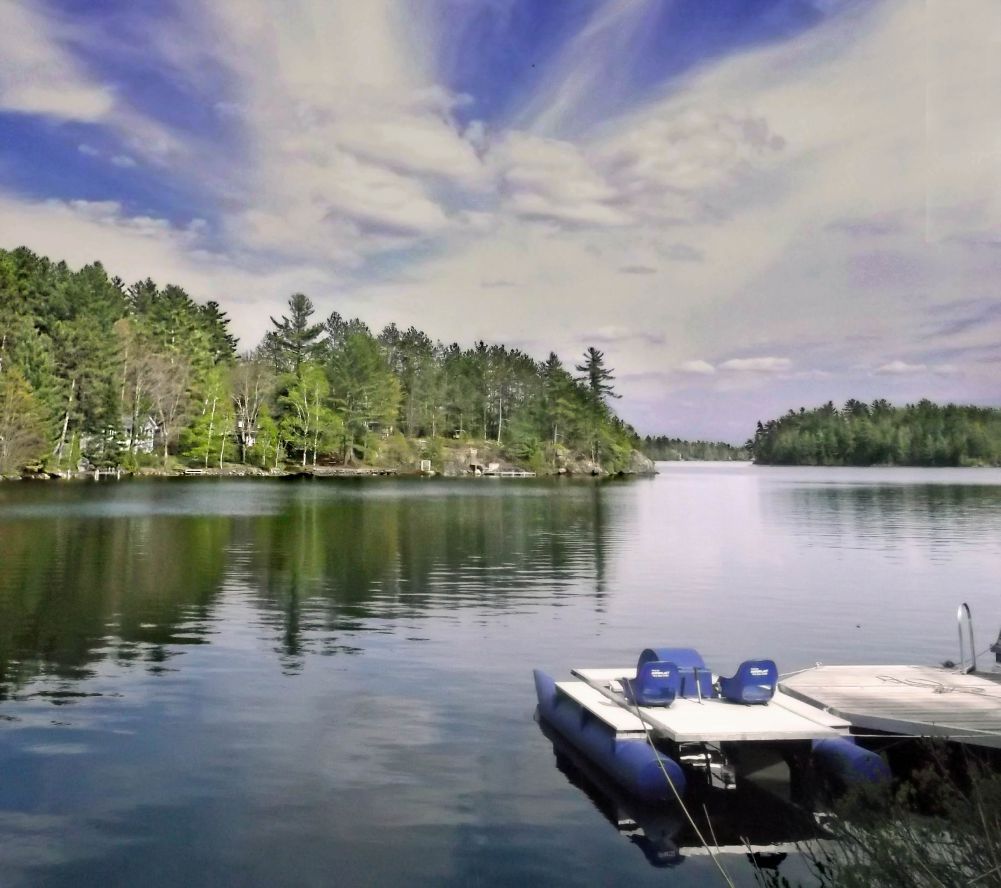
Image Source: Wikimedia Commons
Take in the lush greenery, listen to the songs of the local birdlife, and feel at one with nature as you glide across the water.
- Paddle board skill level: It’s suitable for paddle boarders of all levels, thanks to its calm water, which is ideal for practicing various techniques.
- Launch points: Popular points to access water include boat ramps, public beaches, and other designated access points.
- Access: You can drive through Autoroute 10 East, then take Route 112 East.
- Unique features: The attraction boasts a serene atmosphere and natural beauty and is a popular spot for paddle boarding, fishing, swimming, and water-based activities. The nearby town of East Angus provides amenities like restaurants and shops.
- Time to get there from Montreal: It’s 2,5 to 3 hours by car.
3. Lac des 31 Milles
If you love paddle boarding in Montreal, you should not miss this must-visit location. Thanks to its calm seas and picturesque surroundings, Lac des 31 Milles is a great place for the sport. Both novices and experts will love it.
It's the perfect place for outdoor activities since it offers serene waters and breathtaking scenery.
- Paddle board skill level: All skill levels can come here to practice and improve their technique.
- Launch points: You can find many launch points to access water, including public beaches and boat ramps.
- Access: To reach the destination, driving a car (through Autoroute 50 West and then Route 148 West to Luskville) is a perfect option.
- Unique features: It offers a tranquil lake surrounded by hills and forests. It also offers a range of water-based activities, such as swimming, fishing, and paddle boarding.
- Time to get there from Montreal: It will take around 2-2,5 hours by car.
4. Chambly Basin
Chambly Basin is another location offering stand-up paddle boarding in Montreal. This is one of the best “paddle boarding spots near me” spot. It provides a unique and picturesque experience that lets paddlers explore the ancient canal system and take in the breathtaking views of the surrounding region.

Image Source: Wikimedia Commons
Both novice and expert paddlers will find it to be a great place for their “paddle boarding near me” adventure.
- Paddle board skill level: The slow current and low brat traffic make the place ideal for all paddling borders, including beginners.
- Launch points: Some popular launch points here include Chambly Canal National Historic Site, along the canal's banks or nearby parks.
- Access: You can drive a car through Autoroute 10 East to reach the destination.
- Unique features: Visitors can discover the history of the Chambly Canal, a national historic site, and the surrounding landscapes while paddle boarding in the Chambly Basin.
- Time to get there from Montreal: It will take around 30 to 45 minutes by car.
5. L’Anse-à-l’Orme Nature Park (contains a lake)
For both novices and expert paddlers, L'Anse-à-l'Orme Nature Park provides a tranquil and delightful paddle boarding experience. The park's gorgeous lake offers a great location for outdoor activities, making it a perfect paddle board Montreal location to connect with nature and conduct outdoor activities.

Image Source: Wikimedia Commons
Take a look at what L’Anse-à-l’Orme Nature Park has to offer for paddle boarders.
- Paddle board skill level: It's an ideal address for both amateur and professional paddle boarders.
- Launch points: Launch points are shown on signs and maps—they are usually near gentle slopes, sandy shores, or small docks.
- Access: Bicycles, cars, or public transport are popular ways to get there.
- Unique features: L'Anse-à-l'Orme Nature Park, with its hiking trails, picnic places, and wildlife observation in its natural splendor, provides a tranquil atmosphere away from the city's bustle.
- Time to get there from Montreal: It will take around 30 to 45 minutes by car.
4 Beach to Paddle Board in Montreal
Moving on to our next highlight, if you're wondering about the best spots to paddle board in Montreal or the best “paddle boarding near me” places. The following suggestions are sure to guide your decision.
1. Jean-Doré Beach
Delve into the heart of Montreal and seize the day at Jean-Doré Beach, an urban oasis nestled on Île Notre-Dame. This bustling haven beckons city dwellers and tourists alike with its exceptional paddle boarding opportunities, sandy shores, and captivating city skyline vistas.

Image Source: Unsplash
Conquer the waters at Jean-Doré Beach, the ultimate escape from the city's frenzy, and rejuvenate amidst its unparalleled surroundings.
- Paddle board skill level: With the nearby St. Lawrence River's tranquil waters for novice paddlers and the further river's currents for more experienced paddlers, Jean-Doré Beach provides paddle boarding for all ability levels.
- Launch points: There are several places to launch a paddle board at Jean-Doré Beach, including approved launch zones around the shoreline and direct beach launches.
- Access: Jean-Doré Beach is situated on Île Notre-Dame, providing easy access for visitors by various means of public transport.
- Unique features: It offers picturesque views of the Jacques Cartier Bridge, the Biosphere, and Montreal's cityscape.
- Time to get there from Montreal: It takes around 15-20 minutes by car or 15 minutes via public transit like the metro to travel from Montreal to Jean-Doré Beach.
2. St Timothy Beach
Situated along the shores of Lac Saint-Louis in the West Island, St. Timothy Beach is a hidden gem for “paddle boarding near me” enthusiasts. The beach's calm waters and picturesque views of the surrounding landscape create a perfect environment for a leisurely paddle.

Image Source: Wikimedia Commons
With its family-friendly atmosphere and convenient facilities, St. Timothy Beach is an excellent choice for a “paddle boarding near me” excursion in Montreal.
- Paddle board skill level: Depending on the current’s conditions, the place is suitable for different levels. Its relatively warm water is appropriate for paddle boarders of all ability levels, including novices.
- Launch points: It offers designated paddle board launch spots along the beaches of Lac St. Pierre that are reachable from park parking lots or beach areas.
- Access: You can go there from Montreal by Highway 50 East.
- Unique features: The place also offers areas for picnics, hiking, and beaches to enjoy outdoor activities all day.
- Time to get there from Montreal: Depending on the traffic conditions, it will take 2 hours to reach the destination by car.
3. Lac Lyster Beach, Coaticook
If you’re looking for a joyful place to paddle board near Montreal, Lac Lyster Beach, Coaticook is a charming freshwater lake for water sports, including paddling. Its sandy shorelines, wildlife animals, nature walks, and beach clean-ups make it the perfect place to unwind and enjoy outdoor activities.

Image Source: Freepik
After soaking up the serene beauty and engaging in the myriad of outdoor activities that its sandy shores offer, let's shift our focus to what makes Lac Lyster Beach a haven for paddle boarders.
- Paddle board skill level: Paddlers of all ability levels, including novices, may enjoy the generally tranquil and mild waters at Lac Lyster Beach. It's the perfect place to learn or practice paddle boarding techniques since there aren't any strong currents and only a few boats in the area.
- Launch points: For paddlers' convenience, Lac Lyster Beach has designated launch locations along its shores, such as sandy beaches or gently sloping places.
- Access: You can drive the car to reach the place through Route 141 and Highway 10.
- Unique features: The place is surrounded by lush greenery and forests, providing tourists with peace. The crystal-clear water is ideal for paddle boarding and other water sports.
- Time to get there from Montreal: reaching this destination takes around 2 hours.
4. Plage Jean-Drapeau
Paddle boarding at Plage Jean-Drapeau offers an amazing experience with beautiful views of the Saint Lawrence River and the surrounding area. This outdoor sport provides both novice and expert paddlers with an opportunity to take in the splendor of Montreal's waterfront while being active.

Image Source: Wikimedia Commons
The calm waters of this area create an inclusive environment that welcomes both beginners and seasoned professionals to enjoy the sport.
- Paddle board skill level: The water here is quite calm and suitable for both beginners and professionals.
- Launch points: Plage Jean-Drapeau offers paddle boarders easy access to the river through convenient launch spots scattered throughout the shoreline, including sandy beaches or designated areas.
- Access: You can go to Plage Jean-Drapeau by car, bicycle, or public transportation. Visitors arriving by car can park at the beach.
- Unique features: The address provides paddle boarding along the Saint Lawrence River and breathtaking views of the Montreal cityscape and famous monuments, along with facilities, such as walking paths and picnic spots.
- Time to get there from Montreal: It will take 10-15 minutes by car or public transport.
9 River to Paddle Board in Montreal
The paddle board Montreal topic can’t be completed without mentioning the rivers. Montreal is perfect for paddle boarding since it offers numerous rivers with beautiful landscapes and nice water. Here are the 9 most preferable options for enthusiasts.
1. St Lawrence River
Tackle the mighty St. Lawrence River, coursing through Montreal's heart, and immerse yourself in a unique paddle boarding odyssey. The river's diverse landscapes, ranging from urban spectacles to verdant wilderness, captivate even the most seasoned paddle boarders.

Image Source: Wikimedia Commons
Take the chance to navigate the Lachine Canal or conquer the tranquil shores of Parc des Rapides for an unforgettable experience.
- Paddle board skill level: The river is suitable for all skill levels, depending on the river sections.
- Launch points: Parc René-Lévesque in Lachine, Parc Jean-Drapeau, Verdun Beach, and other waterfront parks along the shores.
- Access: The river is accessible through beaches, marinas, and public parks.
- Unique features: Depending on the area paddled, the St. Lawrence River offers breathtaking views of the waterfront, vibrant cityscapes, picturesque natural landscapes, historic landmarks, wildlife, and distinctive geological formations.
- Time to get there from Montreal: The average traveling time by public transport is from 15 to 45 minutes.
2. Mille Îles River
Venture to the Greater Montreal area and unravel the enchanting Mille Îles River, a labyrinth of channels and islands beckoning paddle boarders. Traverse the flourishing flora and fauna, soak in the picturesque scenery, and uncover hidden treasures along the riverbanks.

Image Source: Wikimedia Commons
The Mille Îles River is a tranquil refuge from urban life and a must-visit destination for paddle boarding aficionados.
- Paddle board skill level: Its waters are quiet and move quite slowly, making it a great place for beginners to practice.
- Launch points: Parc de la Rivière-des-Mille-Îles in Laval, Parc des Berges in Terrebonne, or other waterfront areas and boat ramps.
- Access: You can get to the river through access points in public parks and recreational areas.
- Unique features: Paddling the Mille Îles River provides possibilities for exploration and wildlife observation. It offers a tranquil natural setting with various bird species, historic landmarks, and protected nature reserves.
- Time to get there from Montreal: Driving takes around 30 minutes to one hour.
3. Down River from Val David to Val Morin
Traveling downriver from Val David to Val Morin in Quebec, Canada is a tranquil and breathtaking experience. Paddlers may launch their boats from several locations along the Rivière du Nord, beginning at the picturesque town of Val-David, which is well-known for its artistic community. The river, which has both calm and rapid sections, provides a stunning landscape of the Laurentian terrain.

Image Source: Freepik
Historic sites and bridges here are remarkable. The serene ambiance is a feature that makes paddlers feel like they're in the middle of nature.
- Paddle board skill level: The location features gentle currents and zero major obstacles, making it suitable for beginners.
- Launch points: Many launch points are available along the Rivière du Nord in both Val-David and Val-Morin.
- Access: There are several designated entry points in public parks and recreational areas.
- Unique features: Paddling down the Rivière du Nord allows you to get away from the city and reconnect with nature. It also offers breathtaking views of the Laurentian scenery, opportunities to witness wildlife, and a tranquil outdoor experience.
- Time to get there from Montreal: Depending on your route, it will take 1 to 1.5 hours to reach the location.
4. St. Timothy Island Park, Valleyfield
When talking about the paddle board Montreal topic, we should mention St. Timothy Island Park, Valleyfield. It is a tranquil outdoor recreation area with a range of options set against the breathtaking backdrop of the St. Lawrence River. You can access it by canoe, boat, or kayak.
The place offers a feeling of privacy and peace. It’s not only an option for paddlers but also for those who love enjoying the waterfront views and lush, green trees.
- Paddle board skill level: The relatively calm water here suits all skill levels.
- Launch points: The typical launch points are often ramps, docks, or somewhere along the Lac Saint-François shores.
- Access: Access is straightforward, along with parking facilities.
- Unique features: The park features waterfront vistas, rich flora, and picturesque canals. The park is ideal for yoga sessions, leisurely paddling, or a quiet day on the water since it features sandy beaches, wooded areas, and wildlife habitats.
- Time to get there from Montreal: The car travelling time is around 45 minutes to 1 hour.
5. Rivière St. Charles, Valleyfield
The Rivière St. Charles is a natural feature of Quebec City that provides wildlife habitat, outdoor activity opportunities, and picturesque views. It also has historical value as a source of water transportation for early inhabitants. Parks, pathways, and green areas surrounding the river offer locals and tourists a peaceful natural retreat.

Image source: Wikimedia Commons
This treasured natural feature offers chances for outdoor enjoyment and a connection to nature.
- Paddle board skill level: The easy water conditions make the place ideal for both amateurs and experts.
- Launch points: Launch points are designated along Lac Saint-François and the Saint Lawrence River or in public parks like Parc régional de Beauharnois-Salaberry.
- Access: Entry points are available in parks, marinas, and waterfront areas.
- Unique features: Valleyfield paddle boarding offers gorgeous scenery, stunning landscapes, and attractive waterfront towns. Historical landmarks and wildlife observation areas are charming additions, while cultural activities highlight the past and present of the area.
- Time to get there from Montreal: 45 minutes to 1 hour.
6. Rivière Rouge, Labelle
Paddle boarding in Rivière Rouge, Labelle, provides an exhilarating outdoor experience amid the breathtaking landscape. The river is well-known for its visual splendor, with its rocky coastlines, lush forests, and pure waters.

Image source: Flickr
It accommodates all paddle boarding levels with a combination of easy stretches and difficult rapids. Both novice and expert paddlers can use local facilities, including lodging, guided tours, and equipment rentals.
- Paddle board skill level: Various levels depending on the river sections.
- Launch points: Launch points are at various resorts or campgrounds along the Rivière Rouge.
- Access: Entry points are in public parks, campgrounds, or other recreational areas.
- Unique features: Surrounded by thick forests and rocky coasts, paddle boarding on the Rivière Rouge near Labelle offers breathtaking natural splendour. This place is perfect for swimming, picnics, and animal observation.
- Time to get there from Montreal: 1.5 - 2 hours by car.
7. Lachine Canal
The discussion on paddle board Montreal continues with the Lachine Canal. Pedaling along this canal, a historic waterway that traders previously used to avoid Lachine Rapids, provides a unique viewpoint of Montreal.

Image Source: Wikimedia Commons
Kayakers and paddle boarders may enjoy a leisurely pace on a gorgeous summer day along the 14 km length that connects Old Port of Montreal and Lake Saint-Louis. It’s definitely a place of choice for enthusiasts.
- Paddle board skill level: All types of paddle boarders can practice here.
- Launch points: Atwater Market, Canal Lachine Marin, and other points in public parks and waterfront areas.
- Access: Access is made easy through different entry points along the canal's length.
- Unique features: The Lachine Canal provides A unique viewpoint of Montreal's industrial past and urban environment. It features arks, bike routes, and green areas along the canal.
- Time to get there from Montreal: 15 - 45 minutes, depending on means of transport.
8. Parc de la Rivière-des-Mille-Îles (River of a Thousand Islands)
Parc de la Rivière-des-Mille-Îles is known as a protected wildlife area near Laval. Yet, it offers access points to Rosemère, Bois-des-Filion, Boisbriand, Saint-Eustache, and Berge du Garrot from the north bank.

Image Source: Wikimedia Commons
Paddle board rental Montreal is available, so visitors can choose to rent SUP and kayak equipment or pay a little money to use their own equipment. Excellent guides are available for guided trips throughout the summer months.
- Paddle board skill level: All skill levels are accepted, depending on the route in the park.
- Launch points: Popular points are ramps and docks along the river or park trails.
- Access: Visitors can take a bike, car, or public transport to the park and enter the destination.
- Unique features: It is home to a variety of wildlife habitats and unique ecosystems, such as swamps, marshes, and forests.
- Time to get there from Montreal: Driving takes about 30 minutes to 1 hour.
9. Vague à Guy (Saint Lawrence River)
Last but not least, one of the best “paddle boarding near me” places, the 18th place on our paddle board Montreal list, is Vague à Guy. It is a great place to practice balance and surfing techniques since there are standing waves on the St. Lawrence River. You should not miss this ideal place on your paddle boarding excursions.

Image Source: Wikimedia Commons
Parking is available in Parc des Rapides, where guests can enjoy views of the well-known Lachine Rapids. This is also one of the best paddle boarding near me in Montreal locations for paddlers.
- Paddle board skill level: The fast-moving currents are suitable for intermediate or advanced paddle boarders rather than beginners.
- Launch points: The primary launch point is near Habitat 67.
- Access: Paddle boarders can access "Vague à Guy" from Habitat 67 or other nearby waterfront spots along the Saint Lawrence River.
- Unique features: Montreal's "Vague à Guy" is a distinctive standing wave that draws surfers and paddlers from all over the world. Its allure is enhanced by its steady hydrology, close proximity to downtown Montreal, exhilarating maneuvers, and striking river features.
- Time to get there from Montreal: Driving downtown Montreal to Habitat 67 or other launch sites along the Saint Lawrence River takes about 15 - 30 minutes.
Best Time to Paddle Board Montreal
The best time for paddle boarding in Montreal is summer, late spring, or early fall, when the weather is more suitable for water activities. With pleasant temperatures, the peak season lasts from May to September. The second best season is in the late spring (May and June) or early fall (September), when there are fewer tourists and more colourful scenery. But as the weather might change, it's important to check the forecast and pay attention to the water. Although it might be fun to paddle in the early morning or late at night, safety is the most important factor.
Tips to Prepare for Your Paddle Boarding Trip in Montreal
Before embarking on your Montreal paddle boarding journey, make sure you're well-prepared with the essentials:
- Paddle boarding gear: Bring your paddle board, SUP paddle, personal flotation device (PFD), SUP leash, and a waterproof bag to keep your belongings safe.
- Services nearby: Research rental shops, guided tours, and paddle boarding lessons in the area to enhance your experience.
- Accommodation: Find nearby accommodations, such as hotels or campgrounds, to ensure a comfortable and enjoyable stay.
- Camping gear: If your adventure extends overnight, pack a tent, sleeping bag, cooking equipment, and other necessary camping items.
Also, don’t forget to search for some paddle board rental Montreal places if you don’t want to bring or haven’t had your paddle board.
Montreal Calls Your Name!
Now you have all the essential information about “paddle boarding near me” in Montreal. So, get ready, outdoor enthusiasts! Montreal's awe-inspiring outdoor locales offer unparalleled paddle boarding adventures for thrill-seekers of all abilities. Equip yourself with the perfect paddle boards, explore local services, and secure the perfect accommodations for a seamless experience with iROCKER!