

Stories

Image Source: Freepik
Explore paddle boarding Alberta spots, where you can experience stunning views and unique adventures. This Canadian province, known for its diverse landscapes, offers paddle boarders the chance to enjoy everything from the Rockies to tranquil lakes. It's a great opportunity for anyone looking to try something new and exciting.
In Alberta, paddle boarding combines excitement, peace, and beautiful scenery. With numerous lakes and rivers suitable for all skill levels, you can enjoy the tranquility of nature, the challenge of different waterways, and possibly see wildlife up close. It's an experience that adventure lovers should not miss.
Alberta offers a variety of top paddle boarding spots, from famous national parks to hidden gems. Each place provides a unique experience, allowing you to discover what makes each location special.
Banff National Park
Banff National Park reigns as a supreme haven for outdoor aficionados. Esteemed as Canada's inaugural national park, Banff boasts a mesmerizing tapestry of lakes, rivers, and towering peaks, forging an unparalleled sanctuary for paddle boarding Alberta enthusiasts to revel in its splendor.
DISCLAIMER: Before traveling to a paddle location, ensure that the location still allows for paddle boarding and make yourself aware of any rules and regulations in place.
1. Lake Louise
Lake Louise is widely known for its stunning turquoise glacier-fed waters, which makes it one of the most photographed lakes in Canada. Although it can be quite busy throughout the year due to its popularity among photographers, there is nothing quite like paddling on water with such spectacular colors with the backdrop of snow-capped Mount Victoria. Paddle boarding at Lake Louise is undoubtedly one of the most incredible waterways in the world.

Image Source: Freepik
- Water Type: Lake Louise is an alpine lake with crystal-clear turquoise waters surrounded by majestic mountain peaks.
- Skill Level: Suitable for all skill levels, from beginners to advanced paddlers.
- Launch Points: You can launch your paddle board directly from the shoreline.
-
Amenities:
- If you want to treat yourself to a once-in-a-lifetime experience, the Fairmont Hotel, located on the lake, offers easy access to it.
- There are parking lots and bus shuttles available for accessing the lake, but plan ahead as they fill up quickly due to their popularity.
2. Moraine Lake
Moraine Lake is a stunning glacier-fed lake with a blue-green color that should definitely be on your paddle boarding Alberta bucket list. During the summer months, the intensity of the turquoise-colored water changes, with the best time to visit being June, when the color is at its peak.
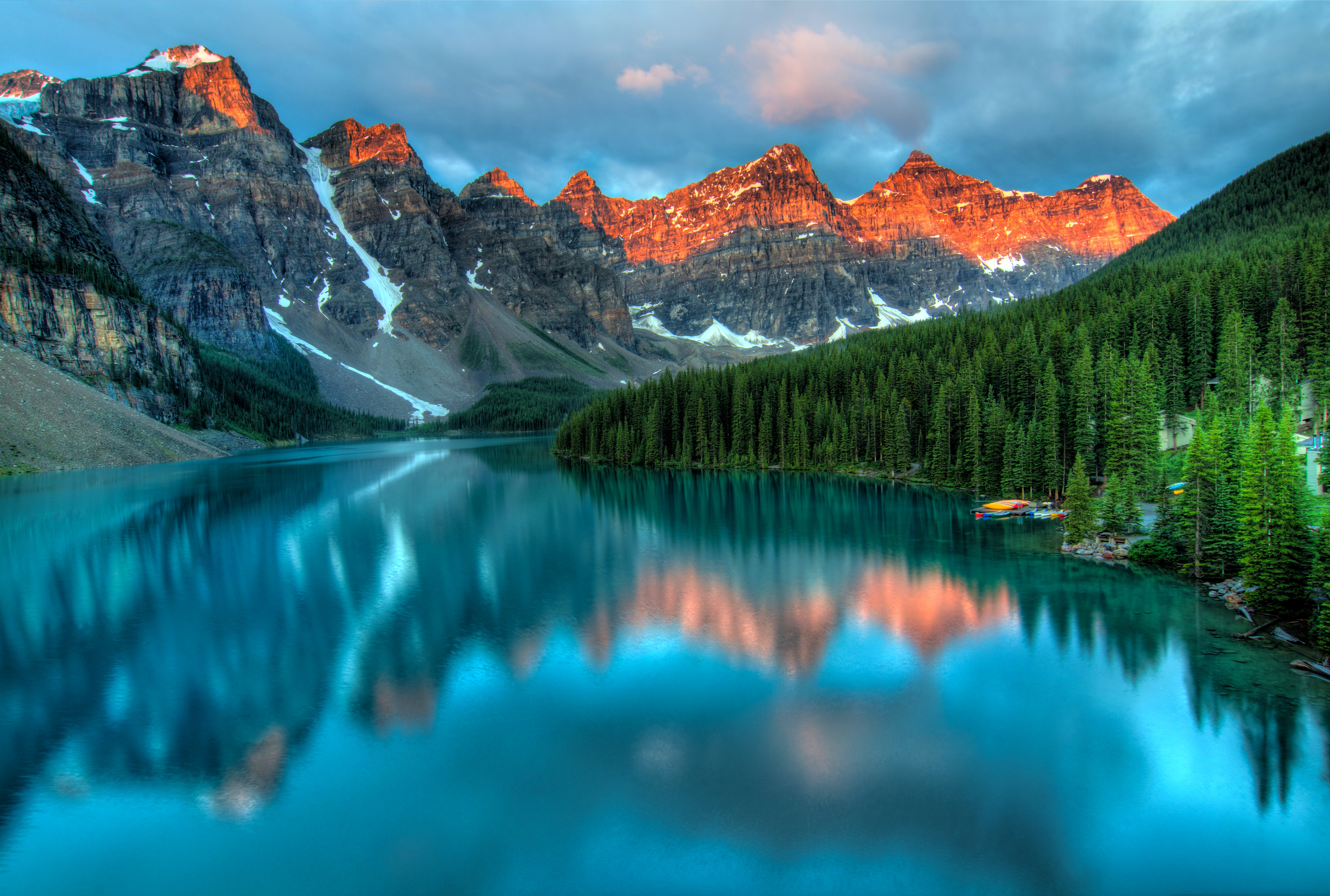
Image Source: Wikimedia Commons
We suggest staying at Moraine Lake until sunset. The pink skies reflecting off the water amplify the lake's beauty.
It's easy to see why Valley of Ten Peaks is a popular paddle boarding destination in the Rockies. The stunning scenery of the valley's amazing water is breathtaking.
- Water types and skill levels: Calm and cold water with fewer winds, suitable for all types of levels. Early risers can enjoy a peaceful paddle on the lake before the crowds arrive. The water is quite cold.
- Launch points: You’ll need to launch your stand up paddle board right from the shore. There is no public boat launch, and you cannot launch your SUP from the canoe dock.
- Amenities: Limited amenities, so bring your own gear.
- Unique Features: Paddling on Moraine Lake offers a chance to explore the famous Valley of the Ten Peaks.
3. Vermilion Lakes
Embark on an ethereal paddle boarding Alberta journey amidst the serene embrace of Vermilion Lakes. These tranquil, crystalline waters reflect the impressive grandeur of Mount Rundle and Sulphur Mountain, crafting an idyllic haven for novices and those seeking a soul-stirring sanctuary.

Image Source: Wikimedia Commons
- Water Type: Flat and sheltered. These are a series of shallow, interconnected lakes with calm waters.
- Skill Levels: Suitable for all skill levels. Ideal for beginners and families.
- Launch Points: Easily accessible from the shoreline.
-
Amenities:
- Launch Point: Winding waterways lead from Banff’s canoe dock.
- Parking: Ample parking area near the boat ramp.
- Scenic Drive: Enjoy the 48 km (30 miles) drive along Maligne Lake Road.
4. Bow River
Paddling down Bow River with a stand-up paddle board is a popular summer activity, offering a mix of excitement and accessibility. The river features Class I rapids, which are suitable for beginners yet still provide challenges with its trickier sections.
Image Source: Wikimedia Commons
Paddlers are advised to wear a life jacket and carry a whistle for safety. With over 587 kilometers of river to explore, enthusiasts can enjoy the stunning natural beauty of Alberta over an entire weekend.
- Water types: If you're looking for a gentle current to paddle on, the Bow River, which originates in the Canadian Rockies, is an excellent choice for paddlers of all skill levels.
- Launch points: The Bowness Park section offers slower-paced waters, plenty of places to start paddle boarding Alberta trip, and numerous facilities for planning the perfect summer day.
-
Amenities:
- If you plan to camp during your Bow River paddling journey, you'll find many campsites along the riverbanks, particularly near Calgary in Southern Alberta.
- Those who don't enjoy camping can try SUP fishing in the river, which is home to a thriving population of brown and rainbow trout.
5. Johnson Lake
Nestled in the heart of Banff, Alberta, Johnson Lake is a breathtaking destination that offers a perfect retreat for water enthusiasts and nature lovers alike. The crystal-clear waters of the lake are perfect for indulging in a wide range of water activities, such as swimming, canoeing, kayaking, and fishing.
When you're done with water sports, you can take a leisurely walk on the winding trail that encircles the lake, enjoying the stunning vistas of the surrounding alpine forests and majestic mountain peaks.

Image Source: Flickr
But that's not all! Johnson Lake is also an ideal spot for stand-up paddle boarding Alberta, an activity that lets you experience the tranquillity and serenity of the lake in a unique way.
- Water types and skill levels: This is one of the warmer lakes in the province, as it is less affected by wind. Johnson Lake is also a smaller, calm water, quiet lake with sandy shores making it an excellent destination for beginner paddlers who want to practice their paddling skills.
- Launch Points: Easily launch directly from the beach.
- Unique Feature: Johnson Lake offers a peaceful setting surrounded by forested hills.
6. Two Jack Lake
Two Jack Lake is one of the best paddle boarding Alberta locations in Banff to watch the sunrise or sunset. And if you have a paddle board, you can enjoy a free front-row seat to the show. This picturesque spot for paddle boarding is just a short drive away from Banff.

Image Source: Unsplash
- Water types: During the winter, many lakes in Alberta freeze over, so plan your paddling trip for Canada's summer.
- Skill levels: The lake is generally calmer and warmer than other glacier-fed lakes in the area, making it an ideal option for beginners.
-
Launch points:
- Upper Lot: Requires carrying your board downhill to the water.
- Lower Lot: Located right on the shore for convenient access.
-
Amenities:
- Two Jack Lake is easily accessible with toilets and picnic areas, making it a great spot for spending the morning, afternoon, or full day.
- The breathtaking views of Mount Rundle, combined with numerous amenities such as outhouses, picnic tables, and even a campground, make it difficult to surpass.
- It's also friendly to dogs!
Jasper National Park
Jasper National Park, a formidable outdoor haven, teems with striking paddle boarding Alberta spots. Its pristine waters beckon limitless exploration, affirming its powerful allure.
1. Maligne Lake
Maligne Lake, the grandest natural gem among the Canadian Rockies, presents a paddle boarder's utopia. Its azure depths, verdant woodlands, and the emblematic Spirit Island converge to create an unmatched paddling odyssey. Be sure to bring your camera, as immortalizing the awe-inspiring vistas is a must.

Image Source: Unsplash
- Water Type: Maligne Lake is a glacial lake surrounded by towering peaks and pristine wilderness.
- Skill Levels: Intermediate to advanced paddlers due to its colder temperatures and potential wind.
- Launch Points: You can launch your paddle board from the main dock area near the Maligne Lake Boathouse.
-
Amenities:
- Paddle Trip: Paddle 42.6 kilometers (26.5 miles) from the North end to Coronet Creek and back.
- Campgrounds: Spend at least 3 days/2 nights at Fisherman’s Bay and Coronet Creek.
- Best Time: Mid-August until the end of September for pleasant weather.
- Fishing: Some sections open for “catch-and-release” style fishing.
2. Pyramid Lake
Burrowed at the foot of Pyramid Mountain, Pyramid Lake offers a captivating sanctuary for a tranquil paddling boarding Alberta trip. This enchanting lake invites adventurers to glide effortlessly while marveling at chance encounters with magnificent wildlife, such as elk, deer, and elusive bears gracing the shoreline.

Image Source: Flickr
- Water Type: Pyramid Lake is a calm, serene lake nestled at the base of Pyramid Mountain.
- Skill Levels: Suitable for all skill levels, including beginners.
- Launch Points: You can launch your SUP from the Pyramid Lake Resort area.
-
Amenities:
- Paddle boarding Route: Paddle 42.6 kilometers (26.5 miles) from the North end to Coronet Creek and back.
- Scenic Drive: Enjoy the 48 km (30 miles) scenic drive from Jasper Township.
- Early Start: Arrive by 6 am to avoid strong gusty winds.
- Wildlife: Spot deer grazing in Priest and Glory Hole Coves.
3. Patricia Lake
Patricia Lake, a tranquil haven nestled within the Canadian Rockies, offers a sublime backdrop for serene paddle boarding Alberta excursions. Its placid waters and striking mountain vistas set the stage for unrivaled tranquility.
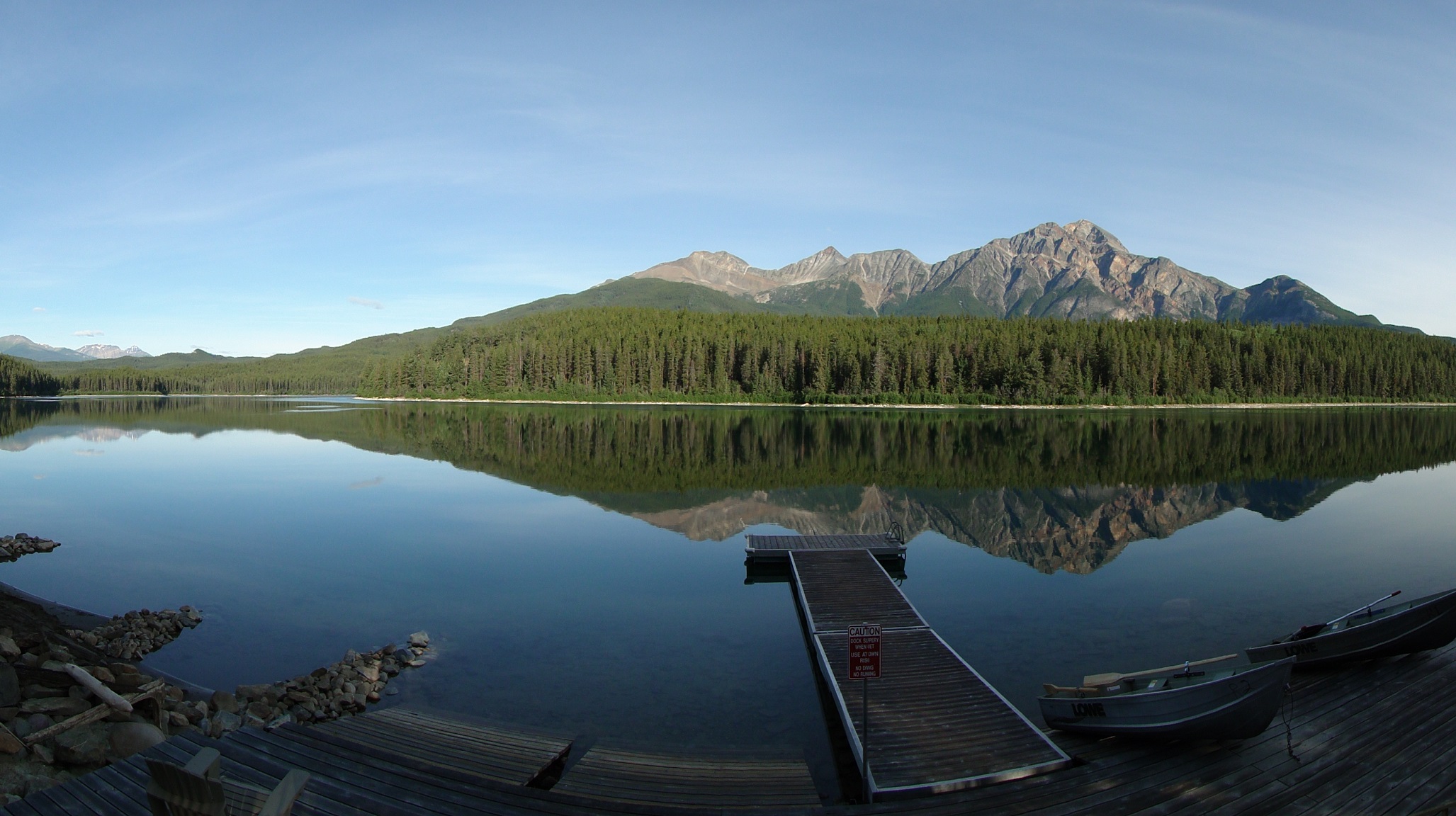
Image Source: Wikimedia Commons
Stay vigilant for the submerged relics of the enigmatic World War II undertaking, Project Habakkuk, adding a touch of intrigue to your journey.
- Water Type: Patricia Lake is another glacial lake with clear and calm waters.
- Skill Levels: Suitable for all levels, including families.
- Launch Points: You can launch your paddle board from the Patricia Lake Bungalows area.
-
Amenities:
- Paddle Trip: Paddle 42.6 kilometers (26.5 miles) from the North end to Coronet Creek and back.
- Best Time: Mid-August until the end of September for pleasant weather.
- Fishing: Some sections open for “catch-and-release” style fishing.
- Unique Feature: Patricia Lake offers a peaceful setting surrounded by forested hills.
4. Lac Beauvert
While details about paddle boarding at Lac Beauvert may be limited, the mere thought of gliding across its serene surface is enough to ignite the imagination. Imagine yourself paddling along the tranquil waters of Lac Beauvert, surrounded by majestic mountains and lush forests.

Image Source: Wikimedia Commons
As you soak in the breathtaking scenery and embrace the tranquility of the lake, you'll find yourself immersed in a world of natural beauty and serenity. Whether you're exploring the lake's hidden nooks and crannies or simply drifting along with the gentle current, Lac Beauvert promises an unforgettable paddle boarding Alberta experience amidst the stunning landscapes of Alberta.
- Water Type: Lac Beauvert is a pristine mountain lake with crystal-clear water. Its colors range from emerald green to various shades of cyan and blue.
- Skill Levels: Suitable for all levels, including beginners. But it has colder temperatures and potential wind.
-
Launch Points:
- You can launch your SUP from the Fairmont Boathouse.
- Launching from the rocky shore, you’ll enjoy views of Whistlers Mountain, Pyramid Mountain, and Mount Edith Cavell.
- Amenities: Lac Beauvert is easily accessible from the town of Jasper. Rentals are available at the Jasper Park Lodge boathouse. There’s no sandy beach, but the water clarity compensates for it. Explore the entire lake by following the shoreline—approximately 3.7 to 4 km in circumference.
5. Edith Lake
While specific information about paddle boarding Alberta at Edith Lake may be scarce, venturing into lesser-known lakes can often lead to unexpected adventures. As you explore the tranquil waters of Edith Lake, you'll have the opportunity to discover hidden coves, admire scenic vistas, and connect with the natural beauty that surrounds you.

Image Source: Unsplash
Whether you're paddling along the shoreline or venturing further into the heart of the lake, Edith Lake offers a serene retreat for paddle boarding enthusiasts seeking solitude and tranquility amidst nature's splendors.
- Water Type: Edith Lake boasts clear, warm water, making it a local secret.
- Skill Levels: Suitable for all levels, including beginners.
- Launch Points: Edith Lake Day Use Area is a popular launch point.
- Amenities: You can paddle board on Edith Lake while enjoying incredible views of Edith Cavell Mountain. The lake’s clarity is unmatched, and it’s warmer than other nearby lakes. Public docks provide easy access, and you’ll feel like you have the entire lake to yourself.
Note: Keep an eye out for curious loons and enjoy the sandy bottom near the beach. Max depth: 60 feet; visibility, about 30 feet.
Central Alberta
To explore the beauty of Central Alberta, let’s dive into these places to understand clearly:
1. Sylvan Lake
Sylvan Lake, nestled amidst the majestic Smoky Mountains, is a paradise for paddle boarding Alberta enthusiasts seeking both adventure and relaxation. With its crystal-clear waters and stunning natural scenery, the lake invites paddlers to embark on an unforgettable journey across its pristine surface.

Image Source: Unsplash
Whether you're a novice paddler or an experienced enthusiast, there's something magical about gliding across the tranquil waters of Sylvan Lake. As you paddle along, you'll be treated to breathtaking views of the surrounding mountains and lush forests, providing a serene backdrop for your paddle boarding adventure. Whether you're exploring the lake's hidden coves, soaking up the sun on its sandy shores, or simply enjoying the peaceful rhythm of your paddle strokes, Sylvan Lake promises an unforgettable experience for paddle boarding enthusiasts of all levels.
- Water Type: Sylvan Lake is a freshwater lake with clear, clean water that reflects the surrounding lush greenery and blue skies.
- Skill Levels: It caters to all skill levels, from beginners to experienced paddlers.
-
Launch Points:
- Lakefront Park: A great spot to shove off from the small beach access area. You can drive right up close to the water to unload and park beside the beach. Lakefront Park is located by the lighthouse at Lakeshore Drive and 51 Street.
- Amenities: Along the shoreline, you’ll find public beaches perfect for launching your board. After a serene paddle, relax at nearby picnic areas or grab a bite at local restaurants. If you don’t have your own board, local outfitters offer rentals.
- Unique Feature: Paddling on Sylvan Lake allows you to listen to paddles hitting the water, hear birds chirping along the shoreline, and take in breathtaking views of the lake. The lighthouse, boat moorings, wildlife, and shoreline are popular sights.
2. Pigeon Lake
Pigeon Lake, located south of the Great Smoky Mountains National Park, is a hidden gem for paddle boarding Alberta enthusiasts seeking tranquility and natural beauty. As you paddle along its serene waters, you'll be surrounded by the sights and sounds of nature, with lush greenery lining the shores and the occasional glimpse of wildlife darting through the trees.

Image Source: Unsplash
The lake's tranquil atmosphere provides the perfect backdrop for paddle boarders to connect with the great outdoors and escape the stresses of everyday life. Whether you're exploring the lake's secluded coves or simply drifting along with the gentle current, Pigeon Lake offers a peaceful retreat for paddle boarding enthusiasts to enjoy.
- Water Type: This freshwater lake offers calm, mirror-like waters—a canvas for your paddle strokes.
- Skill Levels: Beginners and intermediate paddlers will appreciate the gentle conditions. It’s an ideal place to hone your skills or simply enjoy the tranquility.
- Launch Points: Pigeon Lake Boat Rentals, stop by here to rent a board and explore the lake.
- Amenities: Pigeon Lake provides public access points, making it easy to launch your board. Pack a picnic, soak in the sun, and explore the shoreline. Local businesses offer paddle board and kayak rentals for a hassle-free experience.
Southern Alberta
Now, let’s dive into the natural wonders of Southern Alberta by explore these popular places:
1. Chestermere Lake
Chestermere Lake, just a short 20-minute drive east of Calgary, beckons paddle boarders with its tranquil waters and scenic vistas. As you embark on your paddle boarding Alberta adventure, you'll be greeted by the gentle lapping of the lake against your board and panoramic views of rolling hills stretching into the distance.
Whether you're basking in the golden glow of a sunset or soaking in the serenity of a peaceful morning, Chestermere Lake offers an idyllic setting for paddle boarding enthusiasts of all levels.
- Water type and skill levels: Although not as clear as mountain lakes, Chestermere Lake offers warmer and cleaner water. It’s perfect for paddle boarding. The lake's calm and safe conditions make it an ideal spot for beginners to hone their skills or for seasoned paddlers to enjoy a leisurely glide across the water.
- Skill Level: Suitable for all skill levels.
- Launch Points: Lakefront Park is a great spot to launch your paddle board. You can drive right up close to the water to unload.
-
Amenities:
- Bridge Separation: The lake has two sides connected by a bridge.
- Dockside Restaurant/Bar: Enjoy lake views while dining.
- Free Short-Term Moorage: Available near Dockside Bar and Grill and Dockside Ice Cream Bar.
2. Carburn Park
Carburn Park, nestled within the heart of Calgary, offers a peaceful retreat for stand-up paddle boarding Alberta enthusiasts. With its two scenic ponds, the park provides ample opportunities for paddlers to explore and connect with nature.

Image Source: Wikimedia Commons
The larger pond, tucked away from the main parking area, offers a serene setting for leisurely paddling sessions, particularly during the calm mornings or tranquil evenings. Surrounded by lush greenery and the soothing sounds of nature, it's easy to lose yourself in the moment as you glide across the glassy surface of the water. Whether you're a seasoned paddler or a newcomer to the sport, Carburn Park provides the perfect backdrop for a relaxing paddle boarding experience close to home.
- Water Type: The lake and lagoon provide calm waters, ideal for paddle boarding.
- Skill Levels: Whether you’re a beginner or an experienced paddler, Carburn Park welcomes all skill levels.
- Launch Points: You can launch your SUP from the Lakefront Park area.
- Amenities: There are convenient parking options available, year-round bathrooms always available, and well-maintained, natural surroundings campsites and picnic tables and walking trails around the ponds.
- Unique Feature: Paddling on Carburn Park’s lagoon allows you to enjoy views of the surrounding greenery and wildlife. It’s a great spot for families and beginners.
Kananaskis Country
Now, let’s dive into the natural wonders of Kananaskis Country by exploring these places:
1. Barrier Lake
Barrier Lake is a stunning lake located in Kananaskis, just a short drive from Calgary. Its beautiful surroundings and close proximity to the city make it a popular paddle boarding Alberta destination, especially on a nice summer day.

Image Source: Unsplash
Barrier Lake is a manmade reservoir located in southern Alberta. It has crystal blue waters and a stunning mountainous backdrop that provides a magnificent view from the water. You can spend hours paddling along the lake, taking in the sights, and enjoying your time out in nature.
- Water types: If you plan to go paddling at Barrier Lake, it's important to note that the water in the lake is very cold throughout the year. Therefore, it's recommended that you dress appropriately for cold water paddling. Barrier Lake offers amazing mountain scenery and is generally quiet midweek or during cooler weather.
- Skill Level: Suitable for various skill levels.
- Launch points: One of the easiest ways to access the lake is by parking at the Barrier Dam day-use parking lot, which is only a few steps away. This area also includes a picnic spot and several nearby trails. Before heading out, it's important to check the weather conditions as it can get quite windy at the lake.
- Amenities: Kananaskis Outfitters provides rentals on-site during the summer.
- Unique Feature: Tranquility on the water surrounded by mountains makes Barrier Lake a top choice. Kananaskis Village is nearby for après-paddling dining options.
2. Wedge Pond
Located just an hour and a half away from Calgary, Wedge Pond is a hidden gem in the heart of the Canadian Rockies. The tranquil waters of the pond are perfect for paddle-boarding enthusiasts, and the surrounding natural beauty is a feast for the eyes.

Image Source: Flickr
You can pitch your tent in the nearby campgrounds and spend your days paddling, exploring the hiking trails, and taking in the breathtaking views of the mountains. The peaceful atmosphere and serene surroundings will leave an unforgettable impression on you.
- Water Type: Wedge Pond is a small, protected lake that surprisingly gets warm in summer.
- Skill Level: Ideal for beginners and families.
- Launch Points: Launch your paddle board directly from the shore.
- Unique Feature: Great views, an amazing picnic location, and suitable for paddlers with younger kids.
3. Spray Lakes Reservoir
Spray Lakes Reservoir, situated just an hour's scenic drive from Calgary, is a haven for paddle boarding Alberta enthusiasts. As you navigate its expansive waters, you'll be treated to awe-inspiring views of towering mountains that reflect off the surface, creating a truly picturesque backdrop.

Image Source: Unsplash
While the experience can be exhilarating, especially on warm summer days, it's important to note that the water temperature tends to be cold, so be prepared for a refreshing dip. Despite the brisk waters, there's a certain tranquility in the air as you paddle along, surrounded by the majestic beauty of nature. It's a perfect opportunity to escape the hustle and bustle of city life and immerse yourself in the serenity of the mountains.
- Water Type: The reservoir offers refreshing, cold water—perfect for hot summer days. It can be windy sometimes.
- Skill Levels: Suitable for intermediate paddlers due to its moving water and some technical challenges.
-
Amenities:
- Launch Point: Various entry points throughout the city.
- Safety Tip: Team up with a buddy and use two vehicles—one at the entry point and one at the exit point.
- Touring Paddle Boards: Ideal choice for river paddle boarding.
- Harvie Passage: For a more recreational float on the river, head to Harvie Passage—a south channel from the Bow River.
Start Paddle Boarding Alberta Adventure with iROCKER
Take the chance to experience the magic of Alberta's breathtaking landscapes. Embark on your unforgettable paddle boarding Alberta journey. Visit iROCKER’s website and select the ideal paddle board for you. Embrace the spirit of adventure and create lasting memories of Alberta's enchanting waters!
Download iROCKER'S Blue Adventure app today and begin paddling toward extraordinary adventures.

Vancouver's breathtaking coastal city, framed by towering mountains and lush landscapes, calls to paddle boarders of every level. Explore tranquil coves, vibrant urban beaches, and diverse adventures. Grab your paddle board and uncover the best places to go paddle boarding in Vancouver, armed with essential tips for a truly remarkable experience!
DISCLAIMER: Before traveling to a paddle location, ensure that the location still allows for paddle boarding and make yourself aware of any rules and regulations in place.
1. Deep Cove
Embark on an enchanting paddle boarding journey in Deep Cove, a serene haven nestled on the eastern shore of Indian Arm. Deep Cove presents a blissful retreat and is a must-visit destination for paddle boarding enthusiasts seeking both tranquility and the charm of a small waterfront community.
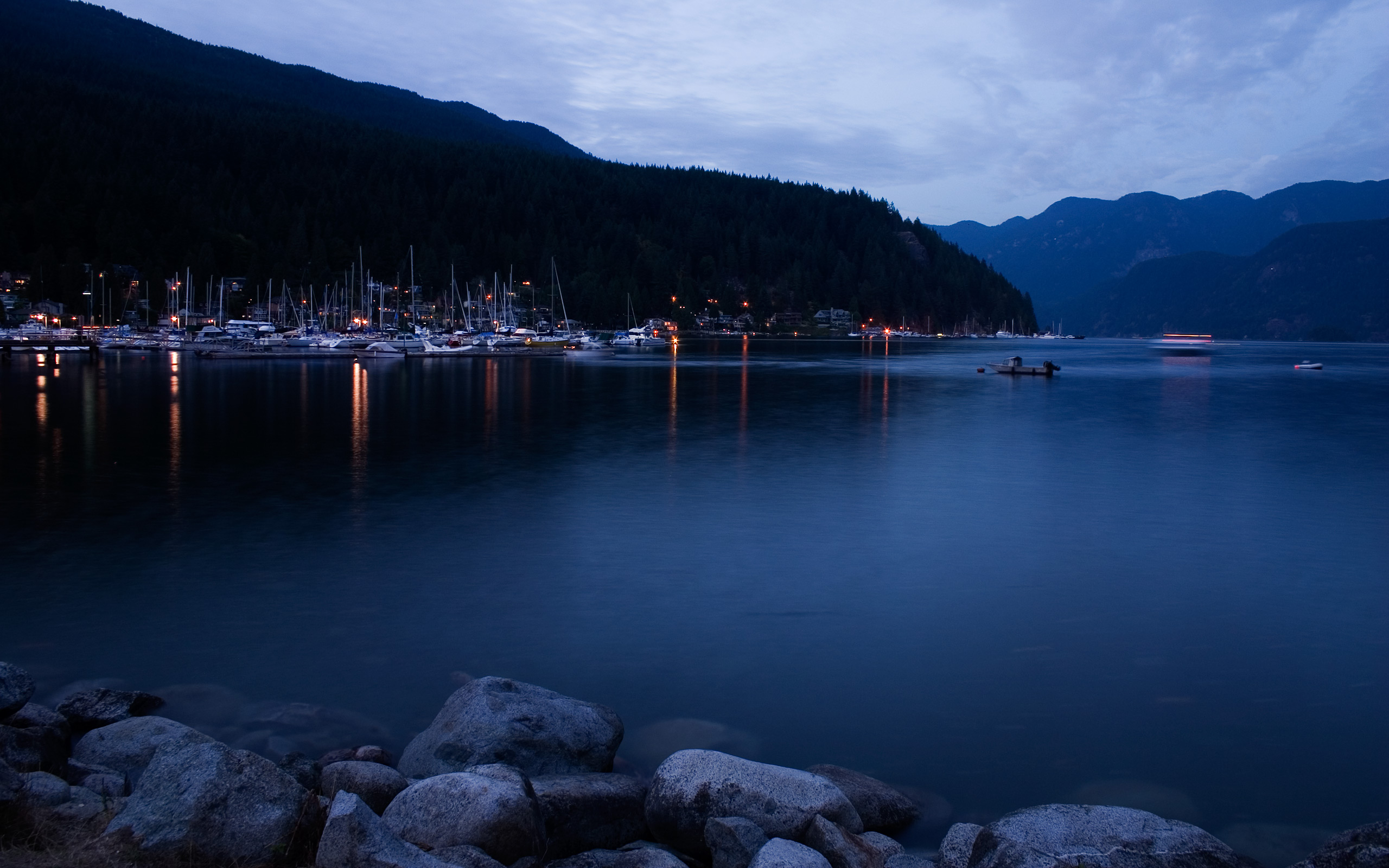
- Water Type: Saltwater offers a tranquil paddling experience.
- Skill Level: Welcomes all levels, from novices to experienced paddlers.
- Launch Points: Options include the Deep Cove Kayak Centre or Deep Cove Park, providing easy access to the water.
- Amenities: The area is well-equipped with facilities such as washrooms, showers, and picnic tables. Concession stands are available for quick bites, and there's ample parking and bike racks. For those without their own equipment, kayak and paddle board rentals are available. The cove area is also home to various shops, cafes, and restaurants, making it a full-day destination.
- Fee: There is no fee to access the cove. For those looking to rent paddle boards, the Deep Cove Kayak Centre offers rentals at about $20 per hour.
- Best Feature: Deep Cove's serene environment is its standout feature, offering a peaceful paddling experience. Additionally, the cove is enhanced by its variety of shops and eateries, allowing for a complete and enjoyable day out.
- Time to Get There from Vancouver: 30 minutes away by car or 60 minutes by bike from Vancouver.
2. Bowen Island
Venture a short ferry ride from Vancouver and uncover the picturesque charm of Bowen Island, a laid-back haven. Traverse the island's captivating coastline, discovering hidden coves, secluded beaches, and vibrant marine life. Be sure to circumnavigate Snug Cove and absorb the quaint seaside village's mesmerizing island.

- Water Type: Saltwater
- Skill Level: Best suited for intermediate to advanced paddlers due to the island's varying coastal conditions.
- Launch Points: Snug Cove and Tunstall Bay are popular launch points.
- Amenities: The island is equipped with essential amenities like washrooms, picnic tables, and parking. There are also bike racks, ferry service, and several hiking trails. Visitors can enjoy the local shops, cafes, restaurants, and art galleries, enriching the overall experience.
- Fee: The ferry fee is approximately $12.35 for adults and $6.20 for children and seniors.
- Best Feature: Bowen Island's standout features are its picturesque charm and the opportunity to explore diverse marine life along its coastline.
- Time to Get There from Vancouver: A 20-minute car ride to the ferry terminal and a 20-minute ferry ride, ideal for a day trip or a weekend getaway.
3. False Creek
Dive into the heart of Vancouver and conquer False Creek, an urban treasure boasting spectacular city skyline views. Navigate the placid waters and soak in the striking sights, including Granville Island, Science World, and the emblematic BC Place Stadium. False Creek presents a one-of-a-kind city escapade for paddle boarders craving a unique adventure.

- Water Type: Saltwater, providing calm and protected waterways ideal for paddle boarding Vancouver.
- Skill Level: Suitable for beginners to intermediate paddlers.
- Launch Points: Ecomarine Paddlesport Centre or Creekside Kayaks are popular launch points, offering easy access to the water.
- Amenities: The area is rich in amenities, including washrooms, showers, parking, and bike racks. There are numerous kayak and paddle board rental options, along with a variety of shops, cafes, restaurants, markets, museums, parks, and playgrounds.
- Fee: There is no fee to access False Creek itself. Paddle board rentals are available at around $25 per hour at the Paddlesport Centre or Creekside Kayaks.
- Best Feature: The standout feature of False Creek is its spectacular city skyline views, combined with the vibrant urban attractions surrounding the creek. It offers a unique perspective on the city, different from what you would experience on land.
- Time to Get There from Vancouver: Just 5 minutes by car or 10 minutes by bike from downtown Vancouver.
4. Alouette Lake
Immerse yourself in the natural beauty of Alouette Lake, a stunning freshwater haven nestled within Golden Ears Provincial Park. Dominate the pristine, crystal-clear waters as you revel in the awe-inspiring landscapes of abundant forests and towering mountains.

Alouette Lake paddle boarding presents the perfect sanctuary for nature enthusiasts craving a tranquil paddle boarding experience.
- Water Type: Freshwater, characterized by its pristine and crystal-clear quality.
- Skill Level: Suitable for beginners to intermediate paddlers.
- Launch Points: Alouette Lake Day Use Area or Alouette Campground are the primary access points to the lake.
- Amenities: The area is equipped with washrooms, showers, and picnic tables, along with barbecue pits for a complete outdoor experience. There's ample parking available, and the site also offers camping sites for those looking to extend their stay. Hiking trails and fishing spots are additional attractions in the vicinity.
- Fee: There is no fee to access the lake. For those interested in camping, the fee is around $35 per night.
- Best Feature: The lake's pristine and clear waters, set against a backdrop of stunning natural scenery, make it a peaceful and picturesque paddling destination. The opportunity for camping and hiking adds to its appeal for outdoor enthusiasts.
- Time to Get There from Vancouver: Approximately 60 minutes by car.
5. Kits Beach
Embrace the thrill of paddle boarding at Kits Beach, one of Vancouver's most beloved shores along English Bay. The calm waters, sandy coastline, and vibrant atmosphere create an exhilarating experience for adventurers. Command the coastline as you soak in the awe-inspiring panoramas of downtown Vancouver and the North Shore Mountains.

- Skill Level: Kits Beach is suitable for all skill levels.
- Amenities: The beach features amenities such as public washrooms, tennis courts, basketball courts, and a playground. There's also a swimming raft, lifeguards during the summer months, and paid parking facilities. Additionally, the Seawall runs alongside the beach, and the Kitsilano Pool is located on the west side.
- Activities: Besides paddle boarding, you can engage in various activities such as volleyball and basketball or simply enjoy the beach's vibrant atmosphere.
- Location: Kitsilano Beach is located on Cornwall Ave at the north end of Yew St in Vancouver.
6. English Bay
English Bay, nestled in the heart of Vancouver, offers paddle boarders a unique blend of urban vibrancy and serene waters. Paddle boarders at all skill levels find the bay's varying conditions—from calm mornings to lively afternoon winds—inviting and exciting.
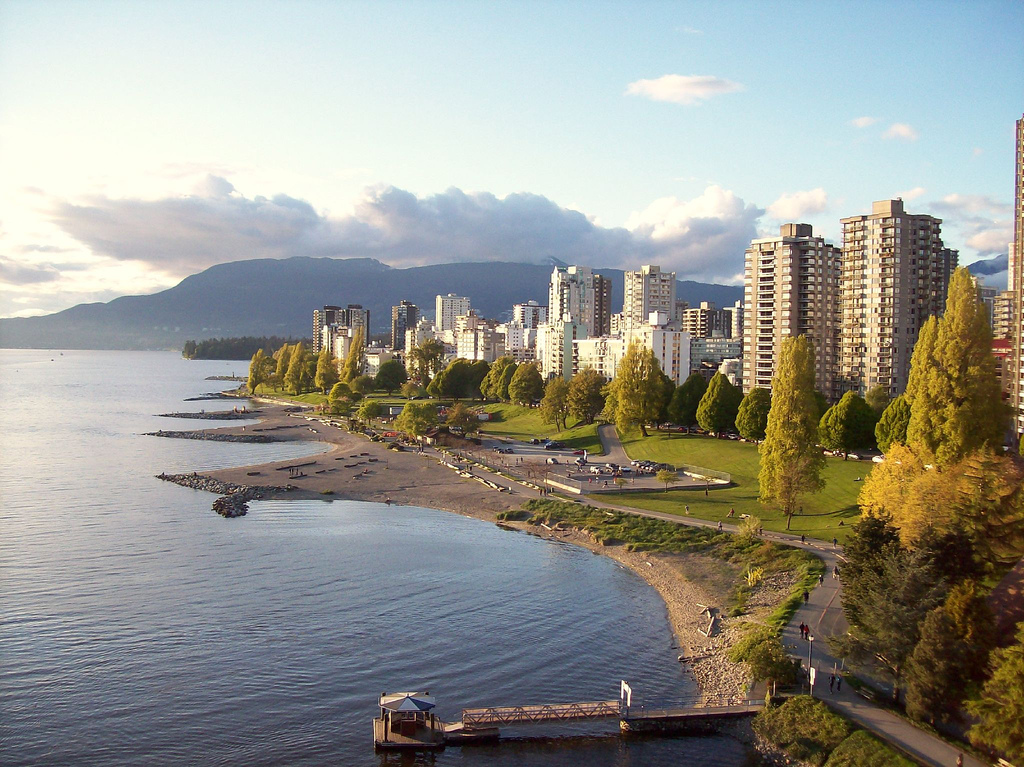
It also stands out for its easy access to both the excitement of the city and the peacefulness of the sea, ideal for paddlers looking to explore the waters against a breathtaking backdrop or to unwind at the day's end.
- Water Type: Saltwater
- Skill Level: Welcomes beginners through advanced paddlers.
- Launch Point: Access points include English Bay Beach and Sunset Beach.
- Amenities: Facilities such as washrooms, showers, concession stands, and lifeguard services enhance the experience, with cafes and shops nearby for post-paddle relaxation.
- Fee: No charge for bay access, allowing for budget-friendly adventures.
- Best Feature: Unparalleled sunset views offer paddlers a spectacular display of colors over the Vancouver skyline.
- Time to Get There from Vancouver: Merely 10 minutes by car or 20 minutes by bike from downtown, providing easy and quick access to nature's beauty without leaving the urban environment.
7. Jericho Beach
Jericho Beach paddle boarding, a tranquil and scenic spot along the shores of English Bay, offers paddle boarders calm and clear waters, perfect for both beginners and intermediate enthusiasts.

With breathtaking views of the city, the mountains, and the ocean, it is the go-to destination for paddle boarders in search of serene waters and picturesque views, just a short journey from downtown Vancouver.
- Water Type: Saltwater
- Skill Level: Ideal for beginners and intermediate paddlers.
- Launch Point: Options include Jericho Beach itself or the nearby Jericho Sailing Centre for easy water access.
- Amenities: The beach is equipped with washrooms, showers, picnic tables, concession stands, lifeguards, and bike racks, ensuring a comfortable visit. The Jericho Sailing Centre adds to the convenience with rental facilities.
- Fee: Beach access is free, offering an affordable day out, with paddle board rentals at the sailing centre priced at $15 per hour.
- Best Feature: The serene beach environment, coupled with proximity to the sailing centre, makes it a prime location for paddlers to enjoy the water and the stunning views of Vancouver’s landscape.
- Time to Get There from Vancouver: Only 15 minutes by car or 25 minutes by bike, making it an easily accessible spot for a quick escape to nature.
8. Belcarra Regional Park
Belcarra Regional Park, located on the serene shores of Indian Arm, is a stunning natural oasis offering diverse paddle boarding Vancouver experiences. From the sheltered waters of Belcarra Bay to the more adventurous routes around Jug Island and Admiralty Point, paddlers encounter a rich tapestry of wildlife, including seals, eagles, and starfish, against a backdrop of lush forests and rugged mountains.

- Water Type: Saltwater
- Skill Level: Suitable for all levels.
- Launch Point: Start from the Belcarra Picnic Area or explore further from Sasamat Lake.
- Amenities: The park is equipped with washrooms, picnic tables, barbecue pits, and hiking trails, plus ample parking for visitors.
- Fee: No entry fee to the park, making it a perfect spot for budget-friendly outdoor activities.
- Best Feature: The park's pristine natural scenery and opportunities for wildlife sightings set it apart, offering an immersive nature experience.
- Time to Get There from Vancouver: Approximately 40 minutes by car, offering a quick escape to nature's tranquility away from the city's hustle.
Belcarra Regional Park serves as an ideal spot for paddle boarders seeking a mix of peaceful paddling and the chance to explore the area's natural beauty, just a short drive from Vancouver.
9. Kitsilano Beach
At the heart of Vancouver's vibrant coastal scene, Kitsilano Beach is renowned for its gentle waters, panoramic vistas spanning from the city's skyline to the North Shore Mountains, and its sandy stretches.

This locale is a magnet for both the city's trendiest and those seeking a serene paddle boarding experience. With conditions ideal for novices and the more practiced, it offers a welcoming blend of natural beauty and community vibe. Kitsilano Beach symbolizes the quintessential Vancouver lifestyle, where water sports meet urban leisure in a scenic setting.
- Water Type: Saltwater
- Skill Level: Inviting for novices and perfectly suited for those at an intermediate level.
- Launch Point: Options abound with Kitsilano Beach and Vanier Park serving as prime spots for setting off.
- Amenities: The area is rich in conveniences, including washrooms, showers, picnic spots, and the security of lifeguard services. Parking and bike racks ease accessibility, while the nearby Kitsilano Pool presents a refreshing recreational choice.
- Fee: Enjoy complimentary beach access, with pool fees set at $6.50 for adults and $3.25 for younger swimmers and seniors.
- Time to Get There from Vancouver: Positioned a brief 10-minute drive or an enjoyable 15-minute cycle from the downtown core.
10. Deer Lake
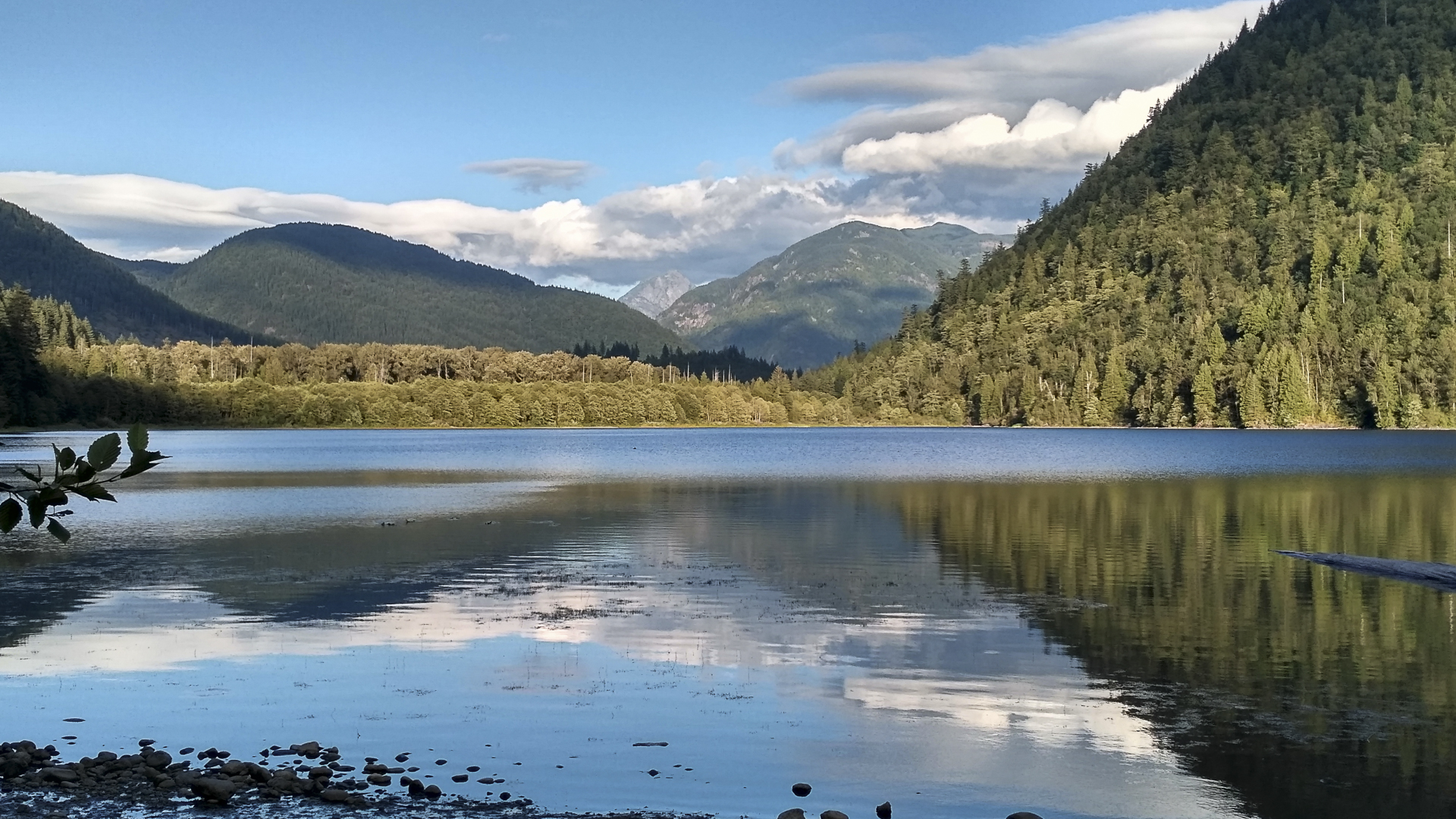
Deer Lake, a picturesque freshwater lake nestled in Burnaby, offers a tranquil escape for paddle boarders seeking calm waters and a leisurely experience. Surrounded by lush forests and manicured gardens, this lake provides a serene backdrop for paddlers to unwind and connect with nature. Its gentle waters are ideal for beginners looking to practice their skills or for intermediate paddlers in search of a peaceful outing.
- Water Type: Freshwater
- Skill Level: Perfectly suited for beginners and enjoyable for intermediates seeking a serene paddle.
- Launch Point: Access the lake from Deer Lake Boat Rentals or Deer Lake Beach for easy entry into the water.
- Amenities: The lake area is well-equipped with washrooms, picnic tables, barbecue pits, and hiking trails. Parking is available, enhancing convenience for visitors. Nearby, Deer Lake Park features cultural and historical attractions, including the Burnaby Village Museum and the Shadbolt Centre for the Arts.
- Fee: No charge for lake access, with paddle board rentals available at Deer Lake Boat Rentals for $20 per hour, making it an affordable option for a day out.
- Best Feature: The lake's tranquil atmosphere, combined with the stunning views of the surrounding landscape and the availability of cultural attractions nearby, sets it apart as a unique paddling destination.
- Time to Get There from Vancouver: Approximately 25 minutes by car.
11. Spanish Banks
Spanish Banks, a sprawling beach located along the shores of English Bay, caters to paddle boarders seeking adventure in Vancouver's waters. It distinguishes itself with low tides creating shallow waters ideal for beginners, yet it also presents conditions that can challenge more experienced paddlers when the wind picks up and the tide comes in.

With its breathtaking city and mountain views, Spanish Banks is a location for those looking to combine paddle boarding with scenic beauty.
- Water Type: Saltwater.
- Skill Level: Welcomes intermediate to advanced paddlers, with conditions that can accommodate beginners during low tide.
- Amenities: Parking and bike racks are available for visitors, and volleyball courts add to the recreational options.
- Best Feature: The beach's spacious environment and the phenomenon of low tide create a unique paddle boarding Vancouver experience, enhanced by stunning views of Vancouver, the mountains, and the ocean.
- Time to Get There from Vancouver: Just 15 minutes by car or a 30-minute bike ride.
12. Porteau Cove
Porteau Cove, set along the stunning Howe Sound, is a marine park known for its crystal-clear waters and dramatic underwater landscapes. This destination is a favorite among paddle boarders and divers alike, offering deep waters that are ideal for exploring the sound's diverse marine life and artificial reefs, including sunken ships, planes, and trains.

The views here are unparalleled, with the surrounding mountains and islands creating a breathtaking backdrop for water-based adventures.
- Water Type: Saltwater.
- Skill Level: Best suited for intermediate to advanced paddlers due to the deeper waters and potential for stronger currents.
- Launch Point: Porteau Cove Provincial Park offers direct access to the water, making it easy for paddlers to start their journey.
- Amenities: The park is equipped with washrooms, showers, picnic tables, barbecue pits, and camping sites, alongside parking for visitors. These facilities ensure a comfortable and enjoyable visit, whether for a few hours or overnight.
- Fee: There is no fee for day use of the park, but camping spots are available for $10 per night, offering a budget-friendly option for extended stays.
- Best Feature: The clear and deep waters, paired with artificial reefs, create a captivating underwater world for paddlers and divers, while the scenic beauty of Howe Sound provides a stunning surface-level experience.
- Time to Get There from Vancouver: Approximately 45 minutes by car.
When is The Best Time for Paddle Boarding in Vancouver?
Experience the ultimate paddle boarding adventure in Vancouver from June to September, when warm weather and serene waters create idyllic paddling conditions. Venture beyond the summer months, embracing the shoulder seasons, as Vancouver's gentle climate continues to deliver exhilarating experiences amid fewer crowds. Vancouver paddle boarding guarantees to bring a whole new adventure for you!

Essentials to Bring
To ensure your Vancouver paddle boarding adventure is smooth and enjoyable, don't forget to pack the following essentials:
- Food: Bring snacks and water to stay energized and hydrated during your adventure.
- GPS: Use a GPS device or smartphone app such as Blue Adventures to navigate and track your progress.
- Life jacket: Always wear a life jacket or personal flotation device (PFD) for safety.
- Camera: Capture stunning scenery and unforgettable moments.
- Paddle boarding gear: Bring your board, paddle, leash, and the proper attire for the weather.
- Waterproof zip bags: Keep your belongings safe and dry in waterproof bags or cases.
- First aid: Pack a basic first aid kit to handle any minor injuries or incidents.
Paddle Boarding Vancouver Awaits!
Why hesitate? Vancouver's enchanting charm and diverse paddle boarding spots beckon every thrill-seeker. Embrace the great outdoors as you carve your way through stunning waterscapes at the best places to go paddle boarding Vancouver. Unleash your inner adventurer with iROCKER, and let the unforgettable memories begin!

Ready to ride the waves but torn between a paddle board and kayak? Fear not! In this action-packed guide, we'll tackle the epic battle of paddle boards vs kayaks, comparing stability, toughness, agility, storage, and costs. Get ready to discover the ultimate adventurer within you and choose the perfect vessel for your next outdoor escapade. Let’s dive in!
Paddle Boarding Vs Kayak: A Comparison
Hold on to your paddles! It's time to compare the benefits and drawbacks of paddle boarding and kayaking, taking several factors into consideration.
1. How Stable Is It?
Paddle boards boast a wider, more stable platform, making them a beginner's best friend. But be warned, conquering the art of balance and core strength is a must. Kayaks, with their low center of gravity and cozy seats, offer a steadier ride for those who prefer a more grounded approach.
2. Which is More Durable?
Both paddle boards and kayaks come in a variety of durable materials. Inflatable options use tough PVC, but hard-shell kayaks crafted from plastic, fiberglass, or carbon fiber may claim the durability crown. However, inflatable SUPs have evolved to offer extreme stiffness and rigidity while boasting lightweight portability, proving they can endure the wild waters too.
3. Which Provides More Maneuverability and Speed?
In the race for agility and speed, kayaks reign supreme. Their sleek design slices through the water effortlessly, leaving paddle boards trailing behind. While SUPs can turn on a dime, their wider shape holds them back in speed. Plus, kayaks harness the power of double-sided paddles for maximum waterway efficiency.
4. What about Storage?
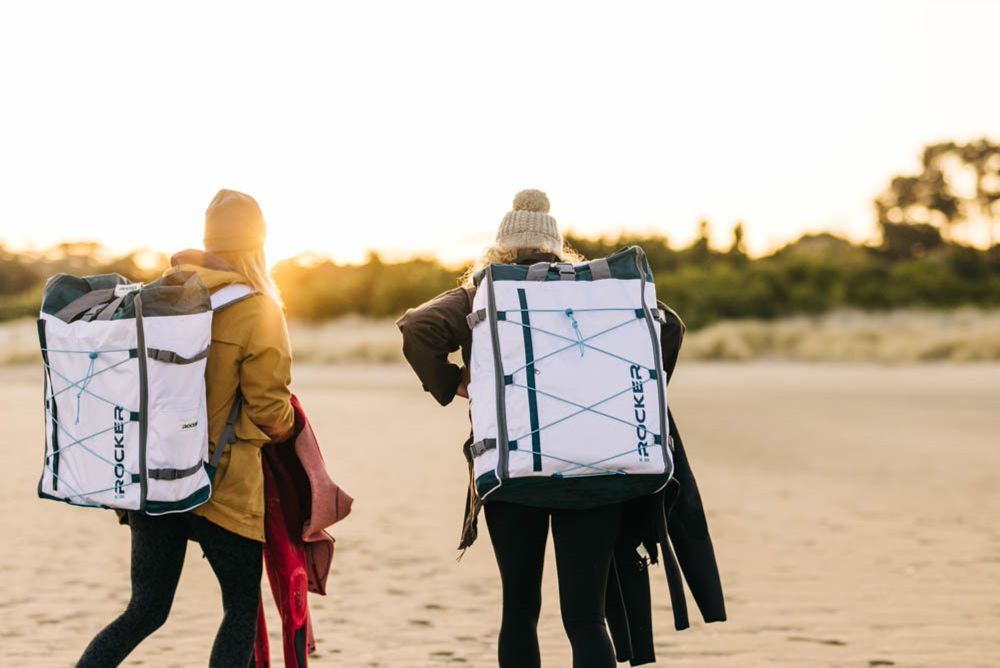
Inflatable paddle boards steal the show when it comes to storage. Deflate, pack, and go – perfect for adventurers short on space or globetrotters itching to explore. Heavier and larger, hard-shell kayaks and non-inflatable paddle boards demand more storage creativity, like racks or storage straps.
5. Learning Curve
Paddle boarding has a shorter learning curve, thus, beginners can learn balance and paddle faster. Meanwhile, kayaking has a steeper curve, requiring more practice to acquire skills like navigating and precise strokes.
6. Portaging
SUPs are usually lighter than kayaks. Thus, it’s easier to carry the former than the latter.
7. Re-entry
It’s simpler for stand-up paddle boards to re-entry water, while kayaks need special skills, such as paddle float rescue or aided re-entry, for more difficult circumstances.
8. Passengers
SUPs can accommodate kids, friends and pets, depending on the weight capacity of the board. Kayaks often can carry two people, thus, ideal for paddling with companions.
9. Long Distance
With kayaks, you can go for longer distances, thanks to their seating position and streamlined design, making them obtain faster speed and efficiency.
10. Sightseeing
Both offer unique ways to enjoy sightseeing. You can stand up while paddle boarding to view the surroundings, while with kayak, you are closer to the water surface to experience the wildlife view.
11. Fitness
Kayaking emphasizes upper body muscles, including arms, shoulders, and back, boosting strength and endurance, while stand-up paddle boarding works the arms, legs, core, and stabilizer muscles for balance.
12. Cool Factor
Paddle boarding offers cool factors such as popularity, stylish designs and cool trick performance. On the other hand, kayaking brings a unique sense of adventure and a closer connection to nature.
13. Average Cost?
Paddle board or kayak costs vary based on type, material, and brand. Entry-level paddle boards range from $300 to $800, while kayaks can cost anywhere from $200 to over $1000 for top-tier models. Keep your budget and adventure wish list in mind when making your choice. Here's a table breaking down of the key considerations:
| CRITERIA | PADDLE BOARDING | KAYAKING | NOTES |
|---|---|---|---|
| Overall Fitness Engagement | High | Moderate | Paddle boarding often requires more balance and engages more muscle groups. |
| Stability on Water | Moderate | High | Kayaks are typically more stable than paddle boards, especially for beginners. |
| Ease of Re-entry | Easier | Harder | Paddle boards are generally easier to get back onto from the water. |
| Storage Capacity | Limited | Ample | Kayaks usually offer more space for gear. |
| Transport & Portability | Easy | Moderate | Paddle boards are often lighter and easier to transport. |
| Viewing Experience | Superior | Good | The elevated position on a paddle board offers better views. |
| Suitability for Cold Weather | Less Suitable | More Suitable | Kayaks offer more protection from cold water and weather. |
| Suitability for Warm Weather | Ideal | Good | Paddle boards allow for more sun exposure and cooling. |
| Durability | Good | Better | Kayaks are often more durable due to their construction. |
| Maneuverability | Agile | Less Agile | Paddle boards can be easier to maneuver due to their lightweight. |
| Speed on Water | Slower | Faster | Kayaks are typically faster, especially over distances. |
| Comfort During Paddling | Less | More | Kayaks provide a more comfortable seated position for longer durations. |
| Freedom of Movement | More Freedom | Less Freedom | Paddle boarding allows for more varied movements and activities. |
| Fishing Adaptability | Good | Better | Kayaks are often preferred for fishing due to their stability and storage. |
| Yoga Compatibility | Ideal | Possible | Paddle boards provide a unique platform for yoga on water. |
| Protection from Sun | Less | More | Kayaks can offer more options for shade and protection. |
Reasons why SUP is more enjoyable than kayaking
Paddle boarding vs kayaking. People usually compare these two sports and the former is voted to be more enjoyable. Here are the reasons why:
1. Paddle Boarding Can Burn More Calories
Leisure paddle boarding burns about 330 - 460 calories per hour, while this number in kayaking is 500 calories. However, it’s not the same with intense paddle boarding. SUP surfing, yoga, touring, fishing, and racing burn more calories since they involve many muscle groups and maintaining balance. Practice can be intensified by making an attempt to maintain stability while standing, paddling, and doing other activities. For example, you can burn more than 1100 calories with SUP racing.
2. Suitable for Beginners
Kayaking vs paddle boarding in terms of suitability. In general, learning to SUP is less difficult for novices than learning to kayak. The fundamental skills of balance and paddling on the board are rather simple, so even those without prior experience or training may enjoy the sport, and your experience will increase time by time.
On the other hand, it’s a struggle for beginners to have the muscle and endurance needed for kayaking on their first attempt. You can pick up the fundamentals in a day, but arm and shoulder pain is to be expected. After the first sessions, you may feel tired and need a long time to get used to the techniques. It’s also crucial to avoid injuries from improper movements or repetitive strain injuries.
3. Easier Fishing From a SUP
Compared to kayaking, stand-up paddle boarding can offer more convenient and fun fishing. You can have a better sea due to the higher location and simple mobility. Plus, access to fishing gear is made possible by the roomy deck. Moreover, fishing from a SUP creates a dynamic alternative to sitting since fishing when seated isn't exactly what high-intensity training offers. By paddling to your fishing location and standing up to fish on your SUP, you may strengthen your muscles as well.
4. Can Play With Friends & Pet
One more important aspect of the paddle board vs kayak comparison is the accommodating ability so many friends and even pets can join. Stand-up paddle boards frequently provide greater room, which makes them perfect for carrying extra people or furry friends. SUPs offer enough areas for friends and pets to accompany you on your excursion or for many riders.
Meanwhile, in a kayak, things are more set in stone. You can choose to have a two-person kayak with two seats or not. If you’re a solo kayaker and now want one more person to join you, you need to purchase a second boat with two seats.
5. More Challenging
SUP might be simpler to learn at first, but as you gain experience, it can also present more of a challenge and adventure. Learning various paddling methods and maintaining balance on the board can be an enjoyable physical and mental exercise.
With a stand up paddle board, you have countless options. It can be a simple way to get around, but it's also great for trying various activities. If you're into unique fitness classes or want to focus on your mental well-being, you can do yoga or pilates on your board. For those who love thrilling experiences, you can try paddle boarding on rapids or enter paddle boarding races. Plus, paddle board touring is a fantastic group activity to see new places.
6. Standing Up looks So Cool!
Finally, the last point in our paddle board vs kayak competition is the way they make you look. The ability to stand up on the board and glide across the water is one of the most attractive features of stand-up paddle boarding. There are many factors that create a stylish look with SUP, such as your sunglasses or your flying hair. A shot with your paddle board can bring more reactions to your social media than a kayak one.
Paddle Board vs Kayak: Factors to Consider
To find the perfect fit between kayak vs. SUP, consider these factors:
1. Personal Interests and Goals
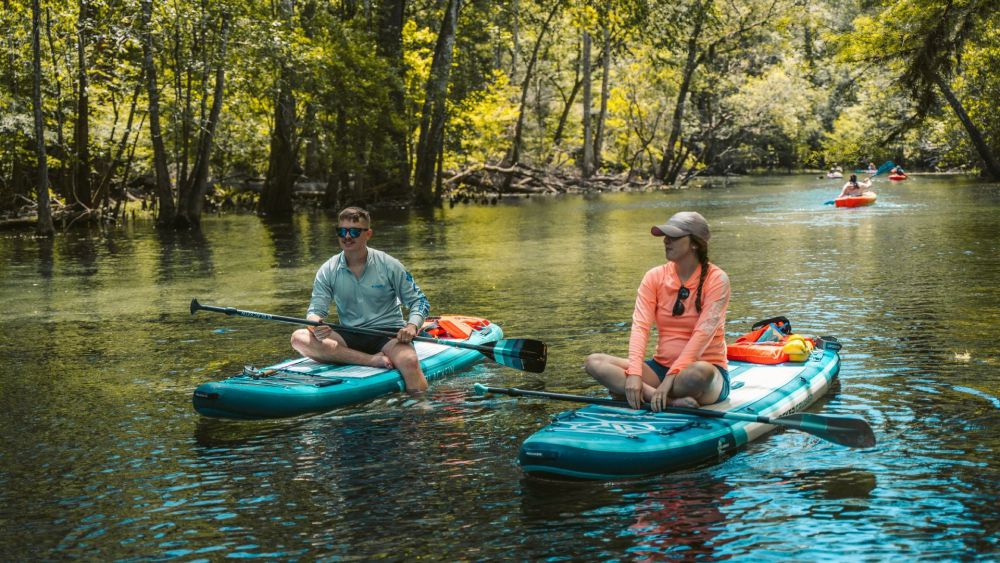
What excites you on the water? Are you chasing serene, soothing workouts or adrenaline-infused escapades? Both paddle boarding and kayaking offer a total body workout, with your speed determining just how hard you can go at either. You can paddle leisurely or go hard with both a paddle board and a kayak. Keep in mind that paddle boarding is ideal for serene yoga sessions, and it also caters to fishing enthusiasts by granting them access to hard-to-reach spots.
Consider Your Activities:
- Recreational Use: Either option is great for casual outings, photography, or simple enjoyment of calm waters.
- Exercise and Fitness: If your primary goal is fitness, a paddle board might be more engaging.
- Fishing or Camping: A kayak is generally better suited due to stability and storage space.
- Water Conditions: For rough waters or ocean use, a kayak typically offers better handling and safety.
2. Physical Ability and Health
Your physical prowess and well-being matter in this quest. Are you struggling with balance or joint pain? Kayaking provides support and stability. If you want to enhance balance and core strength, paddle boarding is your ally.
Personal Comfort and Skill Level:
- Beginners: While both have a learning curve, kayaking may be initially easier for maintaining balance.
- Physical Ability: Paddle boarding requires good balance and core strength.
3. Type of Water Environment
Your aquatic playground also impacts your choice. SUPs thrive in calm, glassy waters, while kayaks conquer turbulent waves and currents with ease.
4. Group Size and Socializing
Planning an expedition with friends? Paddle boarding encourages easy banter as you stand, face, and engage with your fellow adventurers. Kayaking, though still social, makes chit-chat trickier as you sit and focus on the horizon ahead. With these factors in mind, gear up, grab your paddle, and embark on your next unforgettable water-bound adventure!
Paddle Board vs Kayak: What to Choose?
Deciding whether it's easier to kayak or paddle board depends on several factors. Each activity has its unique aspects that can make it easier or more challenging depending on the individual. Here's a comparison:
- Learning Curve: Studies indicate most people can learn basic kayaking faster than paddle boarding due to the balance required for the latter.
- Calories Burned: Paddle boarding can burn more calories due to full-body engagement. A Harvard Health publication states that stand-up paddle boarding can burn between 300-400 calories per hour, compared to moderate kayaking which burns about 205-350 calories per hour.
- Popularity: According to the Outdoor Foundation's 2018 report, around 16 million Americans participated in kayaking, while about 3.2 million participated in stand-up paddle boarding, suggesting greater accessibility or preference for kayaking.
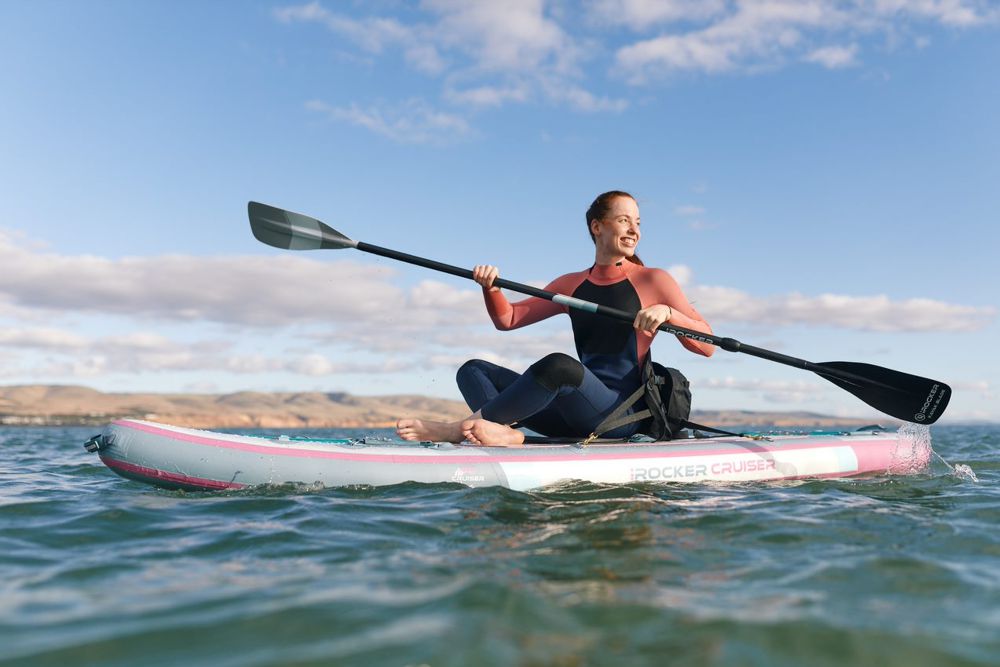
Choosing between a paddle board and a kayak can be a bit perplexing. It's really about your personal preference, how you plan to use it, and what kind of water conditions you'll be facing. However, if we were to lean towards one, going with a paddle board could be an excellent choice. Moreover, with recent advancements, you can now convert your SUP (stand up paddle board) into a kayak with just a kayak seat attachment.
Convert Your Paddle board into a Kayak to Have The Best of Both Worlds
Torn between a paddle board and kayak? Embrace the thrill of a versatile, convertible paddle board! With a few swift adjustments, this hybrid marvel lets you revel in both aquatic adventures without missing out on any fun. Unleash your inner water wanderer and ride the waves with this versatile, all-in-one solution!
- Set Up Kayak Paddle
You can make use of a kayak paddle that is simple to adapt to your favorite paddling technique. With the adjustable shafts available on many kayak paddles, you may vary the length of the paddle to suit your sitting or standing position.
Sit down on your paddle board and lengthen the kayak paddle to a comfortable length. One paddle blade should be pointing forward and the other backward, and both should be in the proper orientation.
- Install a SUP Kayak Seat
A dedicated SUP kayak seat that offers back support and comfortable sitting while you kayak on a paddle board is a worth-investing kayak attachment. Use straps or clips to connect the SUP kayak seat to your paddle board, making sure it is positioned for maximum comfort and stability. Position it for optimal comfort and stability, ensure it supports your lumbar area properly and permits you to paddle effectively. Once the seat is in the ideal position, a new level of support as you navigate through the waves.
The full-range kayak attachments of iROCKER are designed to seamlessly convert your paddle board into a kayak. From adjustable paddles to supportive seats, find everything you need to enjoy the best of both worlds. Visit iROCKER’s collection and upgrade your watercraft today.
Choose Your Ultimate Watercraft with iROCKER!
In the paddle board vs kayak duel, victory depends on your preferences, fitness, and watery playground. Weigh the pros and cons to make your adventurous choice. Gear up and dive into your next thrilling escapade with iROCKER, be it SUP or kayak.
Source
Outdoor Foundation. (2018). 2018 Outdoor Recreation Participation Report. https://outdoorindustry.org/resource/2018-outdoor-recreation-participation-report/
Harvard Health Publishing. (2023, Sep 1). Try this: All aboard for paddle boarding. Harvard Medical School. Retrieved https://www.health.harvard.edu/exercise-and-fitness/try-this-all-aboard-for-paddleboarding
FAQs
Finally, there are some common questions that people usually consider when choosing between a paddle board vs kayak:
1. What Makes Quality Paddle Board Vs Kayak Pricey?
High-end kayaks and paddle boards come at a high cost because of their superior materials, advanced production methods, and creative design elements. These materials are strong, resilient, and lightweight, and they call for specific equipment and experienced labor. Prices for established brands are usually greater.
2. Is a paddle board's length important?
Yes, the length of a paddle board greatly influences its stability, performance, and suitability for various activities. Longer boards are ideal for beginners, open water, and choppy conditions but may sacrifice maneuverability. They also have higher weight capacity, creating more challenges to store and transport.
3. Does height matter when buying a paddle board?
Yes, height is a key factor in choosing a paddle board since it influences stability, comfort, and performance. For taller individuals, a board with higher volume and width is essential for better stability. Comfort and ergonomics are also crucial, as well as ample deck space and a comfortable standing area.
4. How much air does a paddle board need?
PSI level inflated into paddle boards should be from 10 to 15 for best handling and stability. Before shutting the valve, you need to ensure that it is firm by using a high-quality pump and adhering to the manufacturer's recommendations. Consult the owner's handbook or the manufacturer for advice on avoiding overinflation.

If you're looking for a breathtaking and exhilarating outdoor adventure, paddle boarding in Lake Tahoe should definitely be on your list. With its crystal-clear waterways and stunning mountain views, Lake Tahoe is an ideal location for outdoor sports enthusiasts. Let’s dive in!
Lake Tahoe at a Glance
Lake Tahoe is the largest alpine lake in North America, and the second-deepest lake in the United States after Oregon's Crater Lake. The lake was formed over two million years ago as part of the Lake Tahoe Basin, and its current shape was sculpted during the ice ages.
In both Nevada and California, Lake Tahoe is a popular tourist destination. Winter sports, summer outdoor activities, and beautiful landscapes are all available here. Considering how clear the water is and how famously blue the lake is, paddle boarding is one of the top Lake Tahoe water activities. Awaiting you is a lake that is overflowing with clean, chilly, sparkling water.
While you can paddle board in Lake Tahoe year-round, the best time to do so is during the summer months when the water is not as icy cold. Early morning, late afternoon, or just before sunset are the ideal times to set out for a paddle.

The Best Locations for Paddle Boarding in Lake Tahoe
Bliss Beach
The southwestern side of Lake Tahoe has several beaches, one of which is Bliss Beach, and the name says it all. Warm sand is available for a picnic or lounging, and the crystal-clear water is ideal for swimming and scuba diving.
The beach is also an excellent location for paddle boarding, offering both beginner-friendly calm water and more difficult places for experienced paddlers to challenge themselves.
Keep in mind that the parking at the beach frequently fills up by 11:00 am during peak season, so be sure to arrive early to avoid having to walk from the highway to the beach!
Cave Rock
Cave Rock, which lies on Lake Tahoe's southeast shore, is a wonderful site to paddle board and take in the breathtaking views. There are many peaceful areas to paddle around and an amazing rock formation to explore.
In addition to paddle boarding, you can go boating, swimming, hiking, snorkeling, canoeing, kayaking, or fishing in this location. Three picnic areas and a tiny beach are located near a parking lot with a boat ramp.

Baldwin Beach
Baldwin Beach is one of the most popular paddle boarding locations in Lake Tahoe. Its quiet waters and stunning scenery make it a must-visit for any paddle boarder. You can launch your paddle board from here and head to Emerald Bay, or simply enjoy the views of the Sierra Nevada Mountains. Swimming and picnicking are also popular activities at Baldwin Beach.
Kiva Beach
Kiva Beach, located on Lake Tahoe's southern shore, is a fantastic spot for SUP paddlers that enjoy nature. Here shallow waters extend far into the lake, making this location perfect for beginner paddlers who don't want to take a tumble into deeper water while learning.
Neighboring beaches like Pope Beach and Baldwin Beach can be reached from here by SUP for those with more experience. Kiva Beach is highly recommended if you're seeking for a great beach to SUP while getting to see Mount Tallac.
Lakeview Commons
Situated in the heart of South Lake Tahoe, Lakeview Commons is a beach offering stunning views of the lake. This location is excellent for new paddlers looking to learn how to maintain stability because of its simple access point and shallow water.
If you're looking for a paddle boarding beach with all the facilities you would need for a fun day with your family—food concessions, public boat launch, BBQs, picnic tables, and restrooms—Lakeview Commons is a terrific option.

Lake Tahoe is absolute paradise for outdoor sports enthusiasts and stand up paddlers of all skill levels. The unbelievably clear water combined with breathtaking scenery puts this spot high up on SUP bucket lists. Now that you know the best places to paddle board in Lake Tahoe, get ready for an unforgettable adventure!

With so much going on in the hustle and bustle of daily life, it can be hard to find the time to slow down and do something just for you. Fitting in both a workout and a chance to unwind and relax your mind can feel close to impossible. But what if there was an activity that allowed you to do both?
Paddle boarding offers both a total body workout and a way to relieve stress and anxiety, promoting a calm mind and a better work/play balance. If stand up paddling is part of your regular daily routine, then you’re one step ahead of most people and can probably attest to the stress relief and calming outlet it offers. If it’s not yet part of your routine, or if you’re looking to focus on your mental fitness a little more than usual, then read on.
#1: Paddle Boarding is Good for Your Brain
Paddle boarding requires mental focus. You need to pay attention to your body, your board, your paddle, the water, the landscape, and your fellow paddlers. Sure, you can paddle along and get lost in thought, but chances are you won’t be stressing over your to do list while taking in beautiful scenery, riding a wave, or challenging yourself to an all-time best time against the clock.
If you’re practicing new maneuvers, trying out a new board, or getting your blood pumping with a high-octane workout, paddle boarding is the best way to get your mind in line. If home, work or social stress is stressing you out, hop on your stand up paddle board to shift your focus and get things right in your head.

#2: Paddle Boarding is Good for Your Body
We’ve said it a million times and we’ll say it again—stand up paddle boarding does your body good. Even sitting on a paddle board and paddling along with a gentle flowing current is a great workout. Go hard, and you could burn over 1,000 calories in a single stand up paddle session.
Stand up paddling requires your body’s full attention, from your eyes, head, neck and shoulders to your arms, core, legs, and butt. Who has time to think about deadlines or office meetings when your board and the water require your full attention—not you.
If stress is getting to you, put a little extra thought into working your entire body during your next SUP workout. Think about your posture, balance, technique and maybe challenge yourself to go a little harder than usual.
Pro Tip: if you’ve been thinking about learning a new SUP skill, there’s no better time to tackle the challenge than when you’re suffering from maximum stress. So go ahead and ride those rapids. You need a new focus!

#3: Paddle Boarding is Good for Your Zen
The concentration SUP requires is healthy for mind and body even under calm conditions. Commune with nature all by your lonesome or bond with your SUP buddies during an epic group outing. It’s all good for your soul.
But if you want to get serious about adding more zen to your life (and less stress), then SUP yoga needs to make your list of what to try next.
If you haven’t tried a basic yoga pose on your iROCKER yet, challenge yourself to try one on your next outing. For starters, we recommend the good ol’ warrior pose. You can practice on stable ground first. Practice is good for muscle memory and will help you master the pose when you’re actually balancing on the water. (It’s harder than it looks, but so worth it!)

Bonus: The Ultimate Stress Buster
Sometimes, the best stress buster is treating yourself to something new. And if you did master that full wheel pose, then you deserve a little treat!
Our iROCKER team is always working on new bells and whistles for our award-winning boards. We’re also always on the lookout for accessories to make the SUP life better every day. Check out our full line of accessories that will bring a smile to your face in even the most stressful times.
Hint: For less stress during set up, you definitely need an iROCKER Electric Pump in your life.

SUP season is finally here! After months of cold weather and indoor activities, it’s time to get back out there and paddle in the sun. We know you’re ready, but is your board?
Before you hit the water, there are a few steps you’ll want to take to ensure a smooth season of adventures ahead. Read on to our paddle board preparation below.
If you're still looking for the perfect SUP, shop all SUPs here.
Here are 3 easy steps to prepare for paddle boarding:
- Step 1: Unroll your paddle board.
- Step 2: Check for leaks and clean your board.
- Step 3: Check on all your accessories.
Specifically,
Step 1: Unroll your paddle board
If your board has been rolled up in storage all winter, take it outside and unroll it on the grass or other soft surface. (No soft surface? Check out the iROCKER Board Mat.) Give it a good once-over to ensure no damage has occurred in storage.
If your board was stored in a cool, dry place away from the elements—we recommend a garage or basement—you should be good to go! However, if you do happen to notice any dry rot or damage to your board’s bungees or removable carry handles, these can be easily replaced.

Step 2: Check for leaks and clean your board all in one with a soap test
 Step 3: Check on all your accessories as well!

If your board or gear needs a bit of maintenance, it’s always better to know early. Even if you aren’t planning to hit the water for a few weeks, give your SUP a look now. That way if you need to order any replacement parts or upgrade your accessories, you can order now and be ready to paddle out when the time comes!
We hope our little paddle board preparation guide was helpful! We’ll see you out there.

If you're a beginner and looking for something that won't break the bank, consider our used paddle board!
If you're interested in the Ultra SUP models, don't miss the opportunity to grab the Ultra Bogo Deal and get your favorite SUP at the lowest price.
Stay updated on our paddle boards sale event to get the best deals!

If you’re on hunt for an exciting outdoor activity that combines fitness, relaxation, and adventure, look no further than Stand up Paddle Boarding. This water sport has been captivating outdoor enthusiasts for years and with good reason. But with so many brands, designs, and models available, learning how to choose a paddle board can be super overwhelming for beginners. Don’t worry, we’ll help you determine which board is best for you and your SUP style.
The essential factors to consider when buying your first stand up paddle board include weight and size, your skill level, how you’ll use your board, and quality. Let’s take a look at each in more detail.
Choose Paddle Boards Based on Features
Regarding tips on how to choose a paddle board, crucial features to consider are the weight, size, skill level, length, width, and type of paddle board, which are described in detail in the section below.

1. Weight and Size
Your height and weight are key factors in determining how to choose a stand up paddle board size that's best for you. A paddle board should support your weight and be stable enough for you to stand on it without feeling unsteady. A longer and wider paddle board can be ideal for taller or heavier paddlers. But note that the wider a paddle board is, the slower it is on the water.

It's also good to think about whether you will be alone on your board or if you plan to paddle with another rider, child, or additional cargo. These useful tips for buying a paddle board will help determine the weight capacity of the board you need. Our BLACKFIN boards, for example, offer the highest weight capacity of any SUPs on the market, perfect for those bringing along additional fishing or camping gear.
2. Skill Level
Your skill level and comfort will also bring you the most enjoyment on the water. As a beginner, you'll want to choose a stable board that is easy to balance. A wider board with more volume will provide better stability and make it easier to stand up and balance. As you progress, you can choose a narrower board with less volume for better speed and maneuverability.
One of our most stable paddle boards, the CRUISER features an extra-wide 33-34” base, broad tail, and additional stability features. It is perfect for beginners looking to feel steady and secure.
3. Length and Width
The length of a paddle board plays a pivotal role in picking its speed and maneuverability. Basically, there are 3 types of paddle boards based on length:
- Short board (under 10 feet): Ideal for surfing and kids, offering enhanced maneuverability. These boards typically have a planing hull design.
- Medium board (10 to 12 feet): This board is versatile for all-around use and SUP yoga. Most feature planing hulls are available in this range, although some displacement hulls are also available.
- Long board (12.6 feet and above): These are excellent for fast paddling and long-distance touring. The majority are displacement-hull SUPs, which provide increased speed and better tracking.
Another factor to consider regarding how to choose a paddle board is width, as it determines stability and versatility.

The three most common types are:
- Narrow board (up to 30 inches): Offers speed and maneuverability, favored by racers and surfers. Suitable for experienced paddlers.
- Medium (32 to 34 inches): Strikes a balance between stability and performance, accommodating various skill levels and activities.
- Wide board (more than 34 inches): This board provides superior stability and ample space for activities like SUP yoga or carrying gear. It is ideal for beginners and larger paddlers.
4. Paddle Board Construction
With a wide array of paddle board options available, it's useful to know about the different construction types that can help you make an informed decision that best suits your needs and preferences.

- Soft-top paddle board: These boards feature a durable, spongy EVA foam deck and rails, offering excellent durability and a forgiving surface. They are ideal for beginners, casual riders, and those who prioritize stability over performance. They are also great for pet activities or where frequent falls may occur.
- Inflatable paddle board: Made from high-density PVC with drop-stitch technology, inflatable SUPs (iSUPs) combine hard boards' rigidity and performance with soft-top boards' durability. They are highly portable when deflated and can be customized for various skill levels and activities.
- Hard paddle board: Constructed from a combination of EPS foam, fiberglass, carbon, and epoxy resin, these rigid boards are designed for optimal glide, tracking, and speed. While ideal for long-distance touring and riding waves, they are less forgiving, more prone to scratches and dents, and more challenging to transport. Recommended for experienced paddlers.
Choose Paddle Board Based on Intended Use
Paddle boards come in various shapes and sizes designed for different activities such as racing, touring, surfing, and even SUP yoga. Keep reading to learn how to choose a paddle board that is perfect for you.
- All around SUPs: Versatile boards designed for recreational paddling, ranging from 10'6" to 12' in length. They strike a balance between stability and maneuverability, suitable for various activities like casual paddling, yoga, and fishing.
- Yoga SUPs: Typically wider than standard all-around boards, these SUPs prioritize stability and balance. Their design, with a side-mounted handle and a wider deck, facilitates yoga practice while providing the benefits of core engagement on the water.
- Touring SUPs: Longer boards, generally 12' and above, are optimized for speed and efficiency over long distances. Their narrower shape and sleek design allow them to cut through the water smoothly, ideal for touring, racing, and training.
- Fishing SUPs: Designed with ample carrying capacity in mind, fishing SUPs range from 11' to 14' in length. Their size and stability accommodate the weight of fishing gear, allowing anglers to bring all their equipment on board.
- Surfing SUPs: Shorter boards, around 10'6" in length, are the go-to choice for paddle surfing. With their surf-style planing hull, side bite fins, and responsive maneuverability, they excel in catching waves and delivering an exhilarating surfing experience on a paddle board.
In addition to how you'll use it, think about where you'll use your board. Are you paddling locally? Or do you plan to travel with your SUP? If your paddle destination requires a plane ride or even a road trip, a board from our ULTRA™ Series may be the way to go! Ultra-compact by design, these incredibly lightweight boards pack into a streamlined backpack perfect for travel. Or, if you're a beginner and just looking for something more casual, check out our collection of non-ultra paddle boards!

Choose Paddle Boards Based On Their Quality
Originally, hard paddle boards were the only available choice for those looking to SUP. However, as technology has evolved, lighter-weight inflatable paddle boards have come to dominate the space, loved for their convenient portability. When deciding how to choose a paddle board, it's worth noting that when inflated, these boards are just as rigid, stiff, and durable as their predecessors. Some paddlers find it difficult to distinguish between a solid board and a quality inflatable!
When it comes to paddle board construction, a variety of materials are used, each offering distinct advantages and characteristics. Here's an overview of the most common materials:
- Plastic: Rotomolded plastic paddle boards are known for their durability and affordability, popular with recreational paddlers. However, they tend to be heavier and less performance-oriented than other materials.
- Foam: Soft-top paddle boards feature a foam core with a durable outer skin, providing a comfortable and forgiving surface. While stable, they may lack the rigidity and speed of harder constructions.
- Carbon fiber: Lightweight yet incredibly strong, carbon fiber paddle boards offer superior performance and responsiveness. Their construction typically features a foam core surrounded by carbon fiber layers, which are expensive but highly desired by advanced paddlers seeking top-notch performance.
- PVC and Polycarbonates: Almost all inflatable SUPs are made from tough, multi-layer PVC material using drop-stitch technology. This construction allows for portability without compromising rigidity when inflated, making it a versatile choice for various paddling activities.
- Wood: Wooden paddle boards, often with a hollow core, offer a unique and traditional appearance. While beautiful, they require more maintenance and can be less durable than other materials in certain conditions, which is suitable for specific enthusiasts.
With so many great boards available, narrowing down your choices can seem daunting. But think about what your ideal SUP session looks like. Where are you paddling, and what are the conditions? Are you solo or with a friend on board? Will you be bringing extra cargo along? These questions and your body type will help you determine the perfect board for you.
How to choose a stand up paddle board. These reliable boards deliver fun on the water without breaking the bank.
- For medium to higher weight paddlers or those looking to bring extra cargo, we recommend choosing between iROCKER and BLACKFIN.
- For paddlers looking for the convenience of a lightweight board in a smaller package, select ULTRA™.
- For paddlers seeking a premium option with maximum versatility, speed, and stability no matter your skill level, select BLACKFIN.
The best news is you can never have too many paddle boards. So, as you grow more confident and progress your skills, you can take on new challenges with different sizes and shapes of boards.

Choose iROCKER Stand Up Paddle Board!
In conclusion, getting the right insights on how to choose a paddle board is essential for an enjoyable and safe experience on the water. We hope that buying a paddle board guide above has given you useful tips for deciding which one is perfect for you.
You can visit our website and explore our extensive collection of high-quality inflatable paddle boards designed to meet the needs of paddlers of all levels. Our knowledgeable team is ready to guide you towards the perfect board that will elevate your paddling adventures!

Original Vs. ULTRA™ Collection Paddle Boards
There is no right or wrong when it comes to how to explore waterways on a paddle board. And we have learned over the years that the size and weight of an inflatable SUP can affect those who live in cities, use public transportation, or explore the country in a van or camper.
We knew it was important to reinvent our most loved paddle boards into a lightweight compact package for convenient transport and storage and continue our mission in creating something for everyone.
It is time to discover what inflatable SUP is best for you and your lifestyle!

Original Technology for Inflatable Paddle Boards
Since 2013, the Original Technology has been tested and tried to create the best-selling inflatables SUPs on the market today. The functional and durable build of the iROCKER makes it a reliable pick for people of all sizes, skills levels, and budget restrictions.

Construction
Why choose Original technology? Original technology can be found in all models excluding the ULTRA™ Collection. These paddle boards are made with a double or triple layer PVC construction making these boards reliable and durable on your adventures; and will protect your board from rocks, fallen down trees, oyster beds and more.
Storage & Travel
How you transport or store your SUP can determine what type of paddle board best suits your lifestyle. Original Technology boards are going to take a up more room in comparison to ULTRA™ boards. Easily roll up your board and store in your SUP duffle and you're ready to go!
If you are someone who likes the option of rolling your SUP in a Premium Wheeled SUP Duffle or wearing it as a backpack, this is the best choice for you! The 41" x 16" x 12" SUP duffle allows you to store your 3-piece paddle, manual or electric pump, fins, leash, repair kit and has extra room to pack clothes and gear for your next trip.
Why pay for two checked bags at the airport when you can check one with all your essentials?
Check out our paddle board backpacks to maximize your space!

ULTRA™ Technology in Stand Up Paddle Boards
In 2022, the ULTRA™ Collection was released as the most compact SUP on the market, reinvented to make hiking, biking, and traveling with your SUP that much easier. Getting to the water and on you SUP has never been simpler, with more time to experience fun on the water.

Construction
New, innovative cross-threaded construction delivers multiple benefits. While the triple-layer PVC composite delivers the same dependable quality used in Original Technology, with this new type of construction, it has improved board rigidity and stiffness; plus it cuts down on the raw materials needed. Most importantly, allows the board to fold in half long ways before rolling, cutting down the size in half when rolling the SUP up to store away.
Storage & Travel
Are you limited on storage space or wanting to hike to remote destinations with your SUP? Understanding what works for you is key to picking out what SUP is best for you. The ULTRA™ Collection enhanced backpack is 50% smaller than that of the Original Technology SUP duffle, making compact convenience the ULTRA™ Series most attractive feature, especially for those hiking, biking, backcountry paddling, road trips or even overseas destinations.
And hey, let us not forget about our minimal space paddlers. Compact convenience is not just for traveling it is also for those with limited storage. Those with smaller areas in their home, apartment, van, or camper to store a SUP will have an easier time finding space for a smaller 10" x 16" x 21" backpack.

Whether you are looking for an inflatable SUP to use right in your backyard or travel across the country with, we have options for you to pick from. Opportunities are endless and we want YOU to enjoy every moment you can on and off the water without a worry in the world about how you are going to bring SUP along for the ride.
About iROCKER
Since 2013, iROCKER has been the top online destination for all your paddle boarding needs. They have an inflatable paddle board for everyone. Explore their versatile line of all-around inflatable SUP boards. Or check out their ULTRA™ Collection. These lightweight boards are designed to go with you anywhere—no waterway is off limits. What about paddle boarding accessories? iROCKER has every angle covered. Find an electric pump for your blow up paddle board. Or get a cooler that straps right onto your board! Make your next adventure on the water an adventure to remember with iROCKER!
Get all the gear you need for an amazing paddle boarding adventure at www.irockersup.ca

Take Things Up a Notch on Your Next Paddle Boarding Adventure
Warmer weather is almost here, it may be a few months away, but that does not mean you cannot start planning your paddle boarding adventures! With the season so close, you may be looking to shake things up a bit. You want to make the most of your time on your inflatable paddle board. How can you take things up a notch?
Here are a few quick and easy suggestions to really kick things up for your next on-the-water adventure. Put these tips to good use this weekend, or anytime you’re feeling spontaneous. If you want to kick off warmer weather with a paddle boarding extravaganza, these ideas are for you!

Explore Somewhere New
We all have our favorite paddle boarding spots. Maybe it’s the lake up the road, or it might be the reservoir with scenic views an hour outside of town. It’s the place you visit time and time again. But sometimes, your favorite paddle boarding locations can start to feel a little stale, especially as the summer wears on. Perhaps you just want to avoid getting tired of your local spots.
Spice things up with a new paddle boarding location you’ve never been to! Pack up your inflatable paddle board and make a day trip out of it. Go somewhere you don’t normally visit, or you are excited to explore more. There’s something exciting about exploring unfamiliar waters and breaking up your routine. You never know what you might discover. And who knows, maybe you’ll find a new favorite spot.
Find new SUP spots or mark down your favorite locations with the Blue Adventures app powered by iROCKER.

Go SUP Kayaking
Stand up paddle boarding is fun, but have you tried SUP kayaking? It starts by turning your inflatable paddle board into a kayak. All you need is a SUP to Kayak Conversion Kit. This includes a kayak seat and a paddle blade that attaches to your existing paddle. How does this take things to the next level for your paddle boarding adventure? A SUP kayak unlocks all kinds of possibilities. For more information, watch this video.
You can take your paddle board to spots where you might avoid typical stand-up paddle boarding. This includes faster or rougher rivers. An inflatable SUP kayak isn’t necessarily designed for extreme whitewater rapids, but you can take it on rivers and streams where standing isn’t always an option. You can also use a SUP kayak for longer excursions where standing might get tiring. Take a seat and enjoy the ride!
Plus, if you don't want to kayak alone you can tandem kayak by attaching two kayak seats to your iROCKER paddle board!
Make a Party Out of It
Have you ever organized a paddle boarding party? It’s when you and your friends all get together on your inflatable paddle boards and bring coolers stocked with snacks and drinks. Find the perfect spot on the water near the shore and anchor all your boards together.
Play games, listen to some tunes with a waterproof speaker, and have a blast! It’s a great way to kick off spring or summer while having a memorable paddle boarding adventure at the same time. It might even become your newest summer tradition.

About iROCKER
Since 2013, iROCKER has been the top online destination for all your paddle boarding needs. They have an inflatable paddle board for everyone. Explore their versatile line of all-around inflatable SUP boards. Or check out their ULTRA™ Collection. These lightweight boards are designed to go with you anywhere—no waterway is off limits. What about paddle boarding accessories? iROCKER has every angle covered. Find an electric pump for your blow up paddle board. Or get a cooler that straps right onto your board! Make your next adventure on the water an adventure to remember with iROCKER!
Get all the gear you need for an amazing paddle boarding adventure at irockersup.ca